
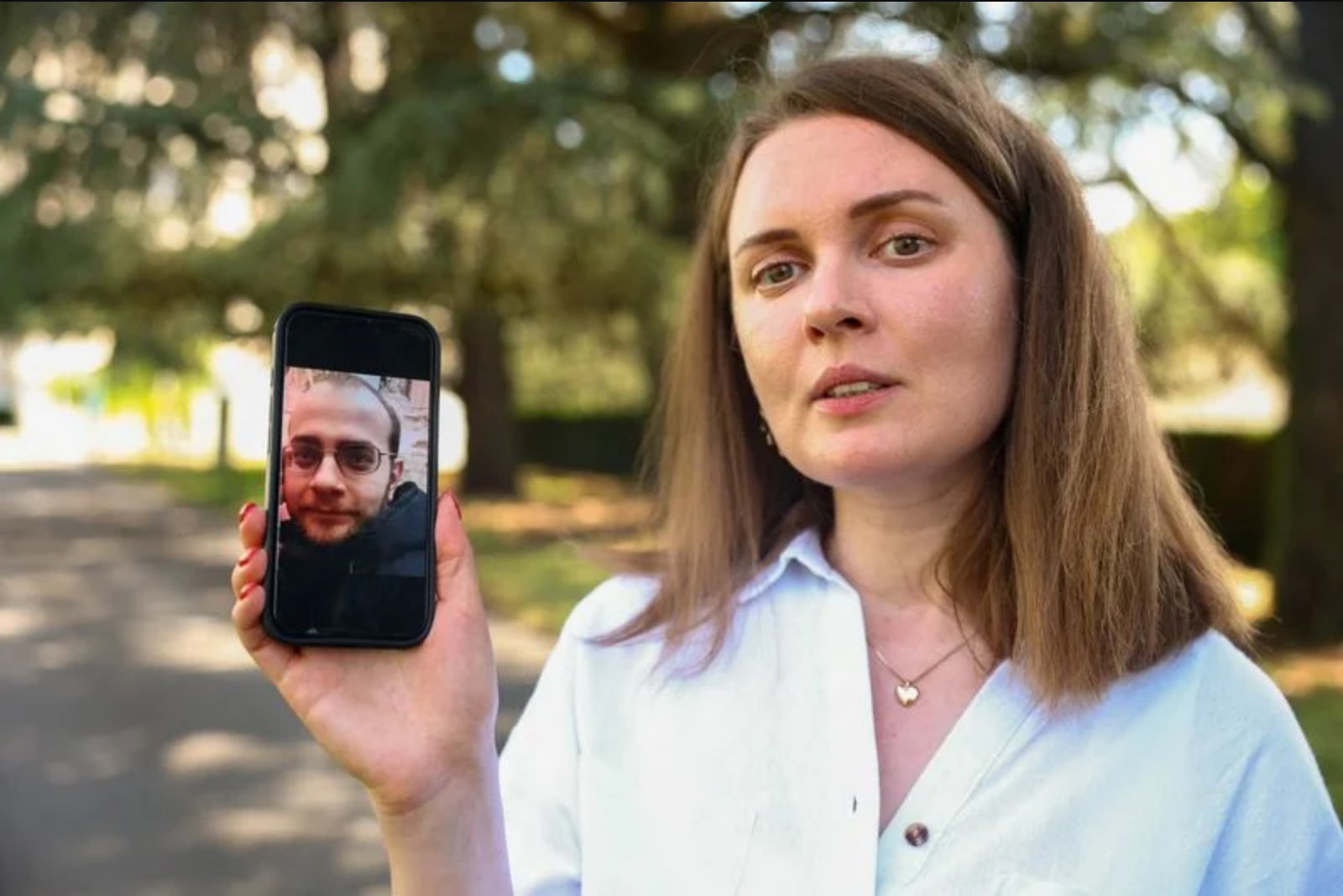
Katsiaryna Andreyeva, a Belarusian journalist who was among a group of 250 political prisoners released in March, warned on Monday that lifting sanctions on Belarus would be premature while repression and fresh arrests continue.
Speaking in Geneva on the sidelines of a meeting of the U.N. Human Rights Council, Andreyeva questioned proposals to ease penalties on the government in return for the release of detainees. The release of the 250 prisoners in March formed part of bargaining with the United States as President Alexander Lukashenko pursues a normalisation of ties in exchange for reducing state repression.
Those diplomatic discussions mark a clear break from earlier Western approaches that treated Lukashenko as a pariah because of his human rights record and his support for Moscow's war with Ukraine. Despite that shift, Andreyeva said that any decision to unwind sanctions should be conditional on substantial changes to the human rights situation.
"Easing sanctions on Lukashenko's regime without significant change in the situation with human rights might not be appropriate now, and I think that there must be a significant change in the situation," she told Reuters. "I'm in favour of the release of political prisoners, but just not replacing one prisoner (with) another," she added.
Andreyeva was sentenced to eight years in prison after reporting on mass protests in Minsk in 2020. She described severe conditions endured during more than five years in detention, including over a week spent in solitary confinement. She also said her husband, Ihar Ilyash, has been held in solitary for more than 50 days.
Ilyash, himself a journalist, remains in detention. According to a report by U.N. Special Rapporteur Nils Muiznieks that is to be presented to the Geneva council, he remains detained along with more than 950 other political prisoners. The report states: "Belarus continues to systematically and grossly violate its international human rights obligations through ongoing politically motivated repression ..."
Belarus had not yet had the opportunity to respond to that assessment, which was scheduled for discussion later on Monday. Muiznieks told the council that he continues to receive routine reports of new politically motivated arrests and expressed "serious concern" about detention conditions.
The sharp increase in political detentions began amid the wave of protests against Lukashenko that followed the contested election cycle. Many of the people now defined as political prisoners were detained during that period. Last week, according to the Committee to Protect Journalists, Belarusian journalist Kyril Pazniak received a sentence of more than three years in prison.
Reflecting on the ongoing situation, Andreyeva said she is "deeply concerned about their future." She also called for reforms to penal code provisions that can be used to charge reporters with offences such as treason or organising protests, charges she has denied being involved with.
Context and outlook
Andreyeva's comments highlight a central tension in current diplomatic talks: whether sanctions should be eased as a means to encourage prisoner releases and a thaw in relations, or kept in place until concrete, sustained improvements in human rights practices are evident. The U.N. reporting and the continued detention of journalists raise questions about the durability of any immediate concessions without broader legal and institutional reforms.