
Commodities July 3, 2026 08:09 AM

Tehran Enters Talks with Japanese Buyers as They Press for Longer U.S. Sanctions Waiver and Shipping Guarantees

Prospective Japanese purchasers seek extended waivers and assurances on Gulf transit as U.S. authorisation for Iranian oil sales remains time-limited

By Ajmal Hussain
Share
Twitter Reddit Facebook LinkedIn

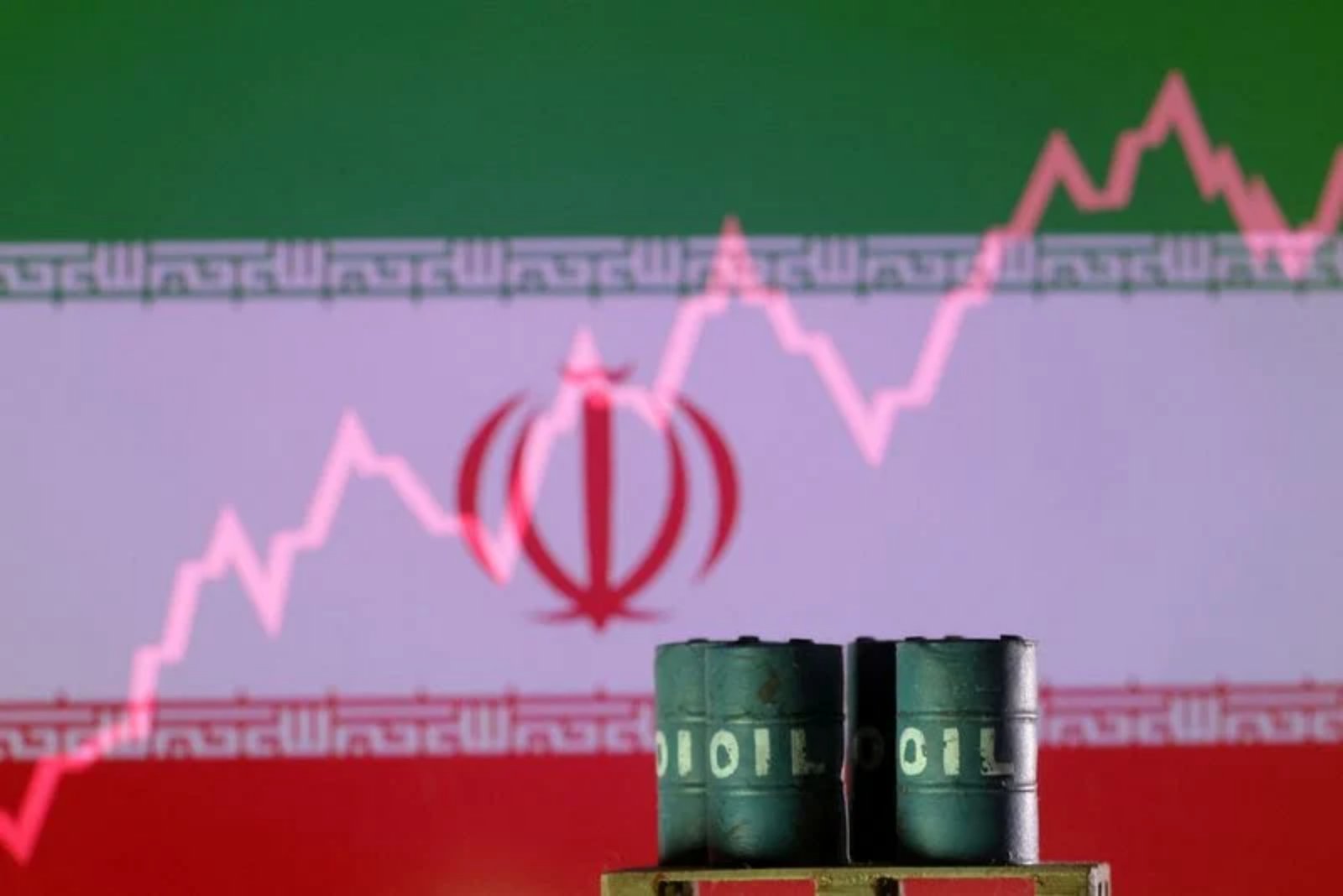
Iran has started negotiations to sell crude to Japanese companies, but potential buyers are requesting a longer U.S. sanctions waiver and guarantees about safe shipping in the Gulf, according to three Iranian and Western sources. The United States authorised limited Iranian oil sales in June as part of diplomatic efforts tied to nuclear inspections and navigation freedoms; the current U.S. waiver runs until August 21. China remains the principal purchaser of Iranian oil following a wave of halted purchases after 2018.

Tehran Enters Talks with Japanese Buyers as They Press for Longer U.S. Sanctions Waiver and Shipping Guarantees
Summarize with
ChatGPT Perplexity Claude Grok Gemini

Key Points

  • Iran has begun talks to sell oil to Japanese companies; potential buyers want a longer U.S. sanctions waiver and assurances on safe Gulf shipping.
  • The U.S. authorised Iranian oil sales in June as part of diplomatic efforts tied to nuclear inspections and freedom of navigation through the Strait of Hormuz.
  • China has been the main purchaser of Iranian oil after buyers in South Korea, Japan, India and Europe halted purchases following tighter sanctions after 2018; the current U.S. waiver runs through August 21.

Iran has opened discussions with Japanese firms about the purchase of Iranian crude, but prospective buyers are seeking two specific reassurances before committing, three Iranian and Western sources said.

Those potential buyers have asked for a longer U.S. sanctions waiver than the one currently in force and for clear reassurances that shipping conditions in the Gulf will be safe, the sources said. The requests reflect the conditional nature of the U.S. authorisation and concerns about maritime security in the region.

The United States authorised the sale of Iranian oil in June, a move that eased long-standing sanctions. That authorisation is part of U.S. efforts to secure a final peace deal with Tehran in return for commitments on nuclear inspections and on freedom of navigation through the Strait of Hormuz, the sources said.

China has been the primary buyer of Iranian crude in recent years, after customers in South Korea, Japan, India and Europe largely stopped purchases following a tightening of sanctions after the U.S. withdrawal from the nuclear agreement in 2018, the sources said.

At present, the U.S. Treasury Department's sanctions waiver permits the sale of crude oil as well as petrochemical and petroleum products of Iranian origin only through August 21. That time-limited authorisation is the specific waiver prospective Japanese buyers want extended, according to the sources.

Requests for comment to Japan's foreign ministry and to the U.S. Treasury did not receive immediate responses, the sources said.


Context and implications

  • Negotiations between Iran and Japanese companies have begun, but remain conditional on extended legal protections and assurances about transit safety.
  • The U.S. decision in June to allow Iranian oil sales is framed as part of wider diplomatic aims linking inspections and navigational freedoms to a possible peace agreement.
  • China remains the dominant buyer after other markets curtailed imports when sanctions were tightened post-2018.

This reporting is based on the statements of three Iranian and Western sources. Details beyond the described requests and the current waiver expiration date were not provided by those sources.

Risks

  • The U.S. sanctions waiver is time-limited - current authorisation for sales runs through August 21, creating uncertainty for buyers and markets in the oil and shipping sectors.
  • Concerns about safe shipping in the Gulf may deter immediate purchases without clear assurances, affecting the energy and maritime insurance sectors.
  • A lack of immediate comment from Japan's foreign ministry and the U.S. Treasury leaves unanswered questions about the likelihood and terms of any extension, adding regulatory and geopolitical uncertainty for traders and refiners.

More from Commodities

Oil prices steady as US-Iran peace efforts temper supply fears Jul 3, 2026 European Gas Climbs to Three-Week Peak as Storage Refill Concerns Eclipse Doha Breakthrough Jul 3, 2026 Oil edges higher as cautious optimism over Middle East talks supports markets ahead of US holiday Jul 2, 2026 Oil drifts lower as supply outlook brightens and geopolitical premium ebbs Jul 2, 2026 Gold Holds Ground After Softer U.S. Payrolls; Weekly Gain in Sight Jul 2, 2026