
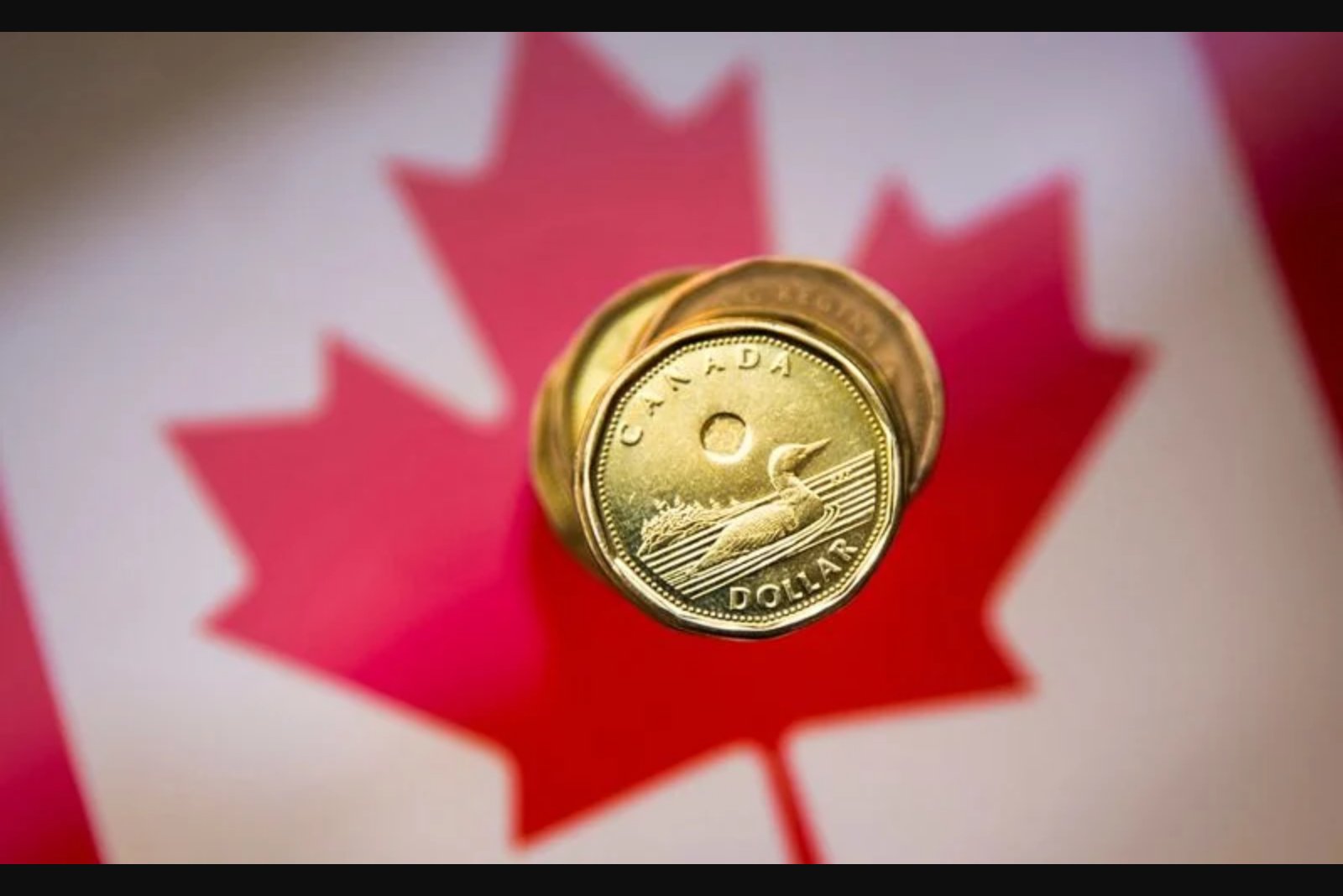
Analysts have reduced their near- and medium-term expectations for the Canadian dollar amid mounting uncertainty over proposed changes to the U.S.-Mexico-Canada Agreement (USMCA) and signs of a weakening domestic economy.
A poll of 39 foreign exchange analysts carried out June 26 to July 1 produced a median forecast that the Canadian dollar will appreciate by 1.3% to 1.40 per U.S. dollar - equivalent to 71.43 U.S. cents - in three months. That projection is a step back from the 1.37 per U.S. dollar forecast recorded in a comparable survey last month.
Looking out 12 months, the loonie was forecast to strengthen 4.3% to 1.36 per U.S. dollar, versus a 1.34 projection in the previous poll.
The change in expectations follows the U.S. administration's decision not to extend the existing USMCA framework, which starts a 10-year countdown to winding down the current trade deal as Washington seeks adjustments intended to reshore manufacturing and narrow U.S. trade deficits with its North American partners.
Canada directs roughly 70% of its exports to the United States, including key commodities and manufactured goods such as steel, aluminum, autos and lumber - sectors that have already faced the impact of U.S. tariffs. At the same time, the most recent quarterly gross domestic product data indicate the Canadian economy was slipping into a technical recession.
"The loonie has weakened considerably against the greenback over the past few weeks given shifting rate expectations vis-à-vis the U.S.," said Bradley Saunders, North America economist at Capital Economics. "We expect that trend to continue, as CUSMA-related uncertainty holds back growth - and therefore rate hikes - in Canada this year, while sticky core inflation and solid GDP growth push the Fed to reverse some of their earlier rate cuts."
Market positioning reflects the shift: speculative bearish bets on the Canadian dollar have risen to the highest level since December. The currency fell to a 14-month low last week at 1.4248 per U.S. dollar.
Interest-rate differentials have widened. Canada's two-year government yield is trading more than 140 basis points below its U.S. counterpart, the widest gap since May of last year, a development that weighs on the currency by reducing yield attractiveness for foreign investors.
The Bank of Canada has signalled limited evidence that elevated energy prices are translating into broad-based inflation, a factor that may temper the central bank's inclination to tighten policy. Swap markets have accordingly trimmed expectations for policy action, pricing roughly 10 basis points of tightening this year from the central bank - down from around 60 basis points in May.
On the U.S. side, Federal Reserve Chairman Kevin Warsh said on Wednesday he will adhere to the Fed's 2% inflation target and intends to "disappoint" anyone anticipating lenient monetary policy, a comment that underpins a relatively firmer U.S. dollar in near-term comparisons.
A separate poll of the U.S. dollar indicated that the view of a weaker dollar is encountering pushback from an expanding group of strategists who foresee smaller declines or even gains in the near term.
While the adjusted forecasts point to a softer outlook for the loonie over the near term, analysts and markets continue to weigh policy divergence between Canada and the United States, trade-policy developments tied to USMCA revisions, and incoming domestic growth data in forming subsequent exchange-rate expectations.