
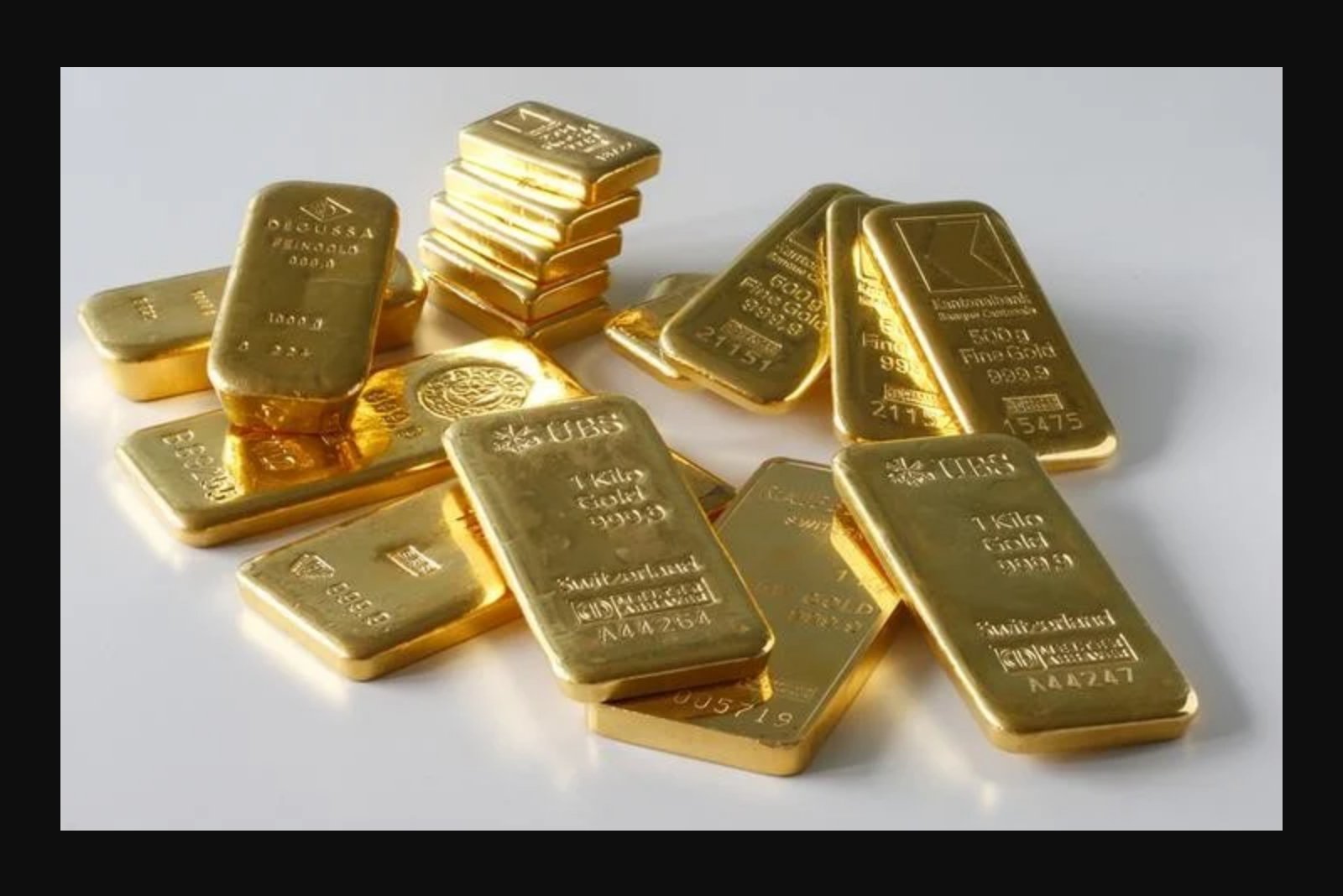
Gold markets displayed uneven moves in Asian trading on Thursday after official U.S. inflation data heightened expectations that the Federal Reserve may raise interest rates in December and continue tightening into next year.
At 22:08 ET (03:08 GMT), spot gold was down 0.1% at $3,583.58 an ounce, while nearby U.S. gold futures were up 1.3% at $3,581.10. Other precious metals showed mixed gains: spot silver rose 1% to $41.8215 an ounce; platinum gained 0.6% to $1,300.20; spot palladium climbed 2.0% to $883.79, and palladium futures increased 2.4% to $868.25. The U.S. dollar index strengthened 0.1% to 103.77.
Bullion had dipped below the $3,500 mark briefly in the prior session before a recovery that left metal prices 0.9% higher at the close. Market activity was likely thinner than usual as U.S. financial markets were closed on Thursday for the Thanksgiving holiday.
The U.S. core personal consumption expenditures (PCE) price index - the measure the Federal Reserve cites for underlying inflation trends - rose 3.3% year over year in October. That was the largest annual increase since 2023 and reinforced investor expectations that policymakers could approve another rate increase in December, with the possibility of additional hikes next year.
Higher interest rates typically weigh on gold because the metal does not yield interest, raising the opportunity cost of holding it. The stronger-than-expected core PCE print thus contributed to selling pressure on bullion amid recent price swings.
Gold has already endured a pronounced decline this year amid a series of factors that pressured markets. The U.S.-Iran conflict pushed energy prices higher, aggravating inflation concerns and prompting major central banks toward tighter policy stances. In recent weeks, a firmer U.S. dollar has also posed a headwind for dollar-denominated bullion by making it relatively more expensive for buyers using other currencies.
On top of these dynamics, the outlook for gold has been clouded by the prospect of additional U.S. trade measures. New tariffs aimed at China and the European Union - implemented after an investigation into industrial overcapacity - could add upward pressure to consumer prices and complicate the inflation outlook.
Persisting price pressures from energy costs or higher consumer prices tied to tariffs could strengthen the Federal Reserve's case for maintaining restrictive monetary policy or for further increases in borrowing costs, creating another challenge for the non-yielding metal.
Market snapshot
- Spot gold: $3,583.58 per ounce (-0.1% at 22:08 ET / 03:08 GMT)
- U.S. gold futures: $3,581.10 (+1.3%)
- Spot silver: $41.8215 per ounce (+1%)
- Spot platinum: $1,300.20 per ounce (+0.6%)
- Spot palladium: $883.79 per ounce (+2.0%); palladium futures: $868.25 (+2.4%)
- U.S. dollar index: 103.77 (+0.1%)
Context and implications
The October core PCE reading, by strengthening expectations of more Fed tightening, served to elevate the opportunity cost of holding precious metals. Combined with geopolitical-driven energy price gains and a stronger dollar, these factors have eroded bullion's appeal over the course of the year.
Meanwhile, trade policy developments - specifically new tariffs targeting key trading partners after an overcapacity inquiry - introduce an additional variable for inflation and consumer prices, which could influence central bank decisions and, in turn, commodity price dynamics.
Market participants will be watching forthcoming data and policy signals closely for indications of how persistent inflationary pressures might be and whether central banks will maintain or adjust their tightening paths.