
Brent crude for immediate delivery strengthened on Tuesday, with the first-month futures contract trading $8.92 a barrel above the sixth-month contract - the largest front-month premium observed since June 10. That premium places the market structure into backwardation, a configuration typically interpreted as an indicator of constrained near-term supplies.
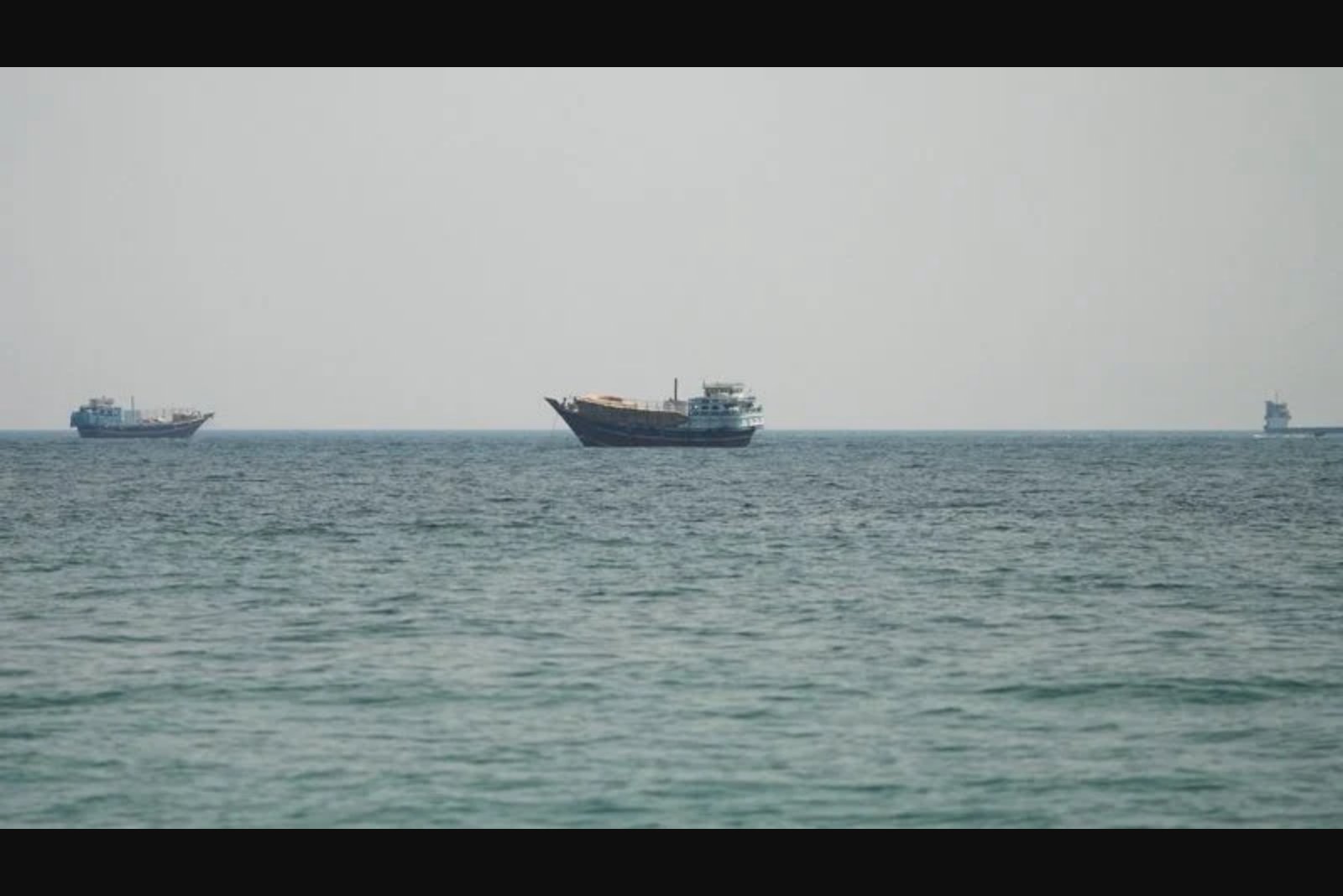
The change in structure followed a marked intensification in tensions between the U.S. and Iran, including renewed military strikes and attacks on vessels close to the Strait of Hormuz, developments that have revived concerns about the safety and reliability of Middle East oil flows and shipping through the narrow waterway.
"The return to backwardation signals that the market expects crude availability to remain constrained in the weeks ahead," said Ole Hansen, head of commodity strategy at Saxo Bank.
Earlier in July the curve had shown contango, where prompt Brent traded below later-dated contracts. Contango is more commonly associated with ample supplies in the near term and, at that time, recovering exports through the strait had eased immediate supply worries.
Not all market participants view the move as entirely reflective of physical constraints. "For the moment, this is largely a paper move, with investors likely pouring back into the market following the latest escalation," said Neil Crosby, head of research at Sparta Commodities. "We are seeing flows out of Hormuz slow, which could ... impact the physical market incrementally over the coming weeks if disruptions persist," Crosby added.
Price signals in Brent were matched by shifts in regional benchmarks. Middle East crude grades Oman, Dubai and Murban swung from trading at discounts to trading at premiums, another marker of rising near-term supply concern.
Shipping activity also reflected heightened caution. Analysis from Kpler on Monday showed oil and gas tanker traffic at its lowest level since May 25, a development consistent with reported incidents and the resulting operational reluctance to transit the Strait of Hormuz.
Taken together, the movement into backwardation, the switch to premiums for Oman, Dubai and Murban, and reduced tanker traffic point to a market pricing in elevated near-term risk to physical supply and transit. Market structure and vessel movements are being watched closely for signs that disruptions could translate from price discovery and investor flows into tangible constraints on crude availability in coming weeks.