
Economy July 14, 2026 12:54 PM

Iraq Seeks a Larger OPEC Allocation While Pressing U.S. for Energy Investment

Prime Minister stresses Iraq's founding role in OPEC and cites reconstruction needs during talks at the White House

By Jordan Park
Share
Twitter Reddit Facebook LinkedIn

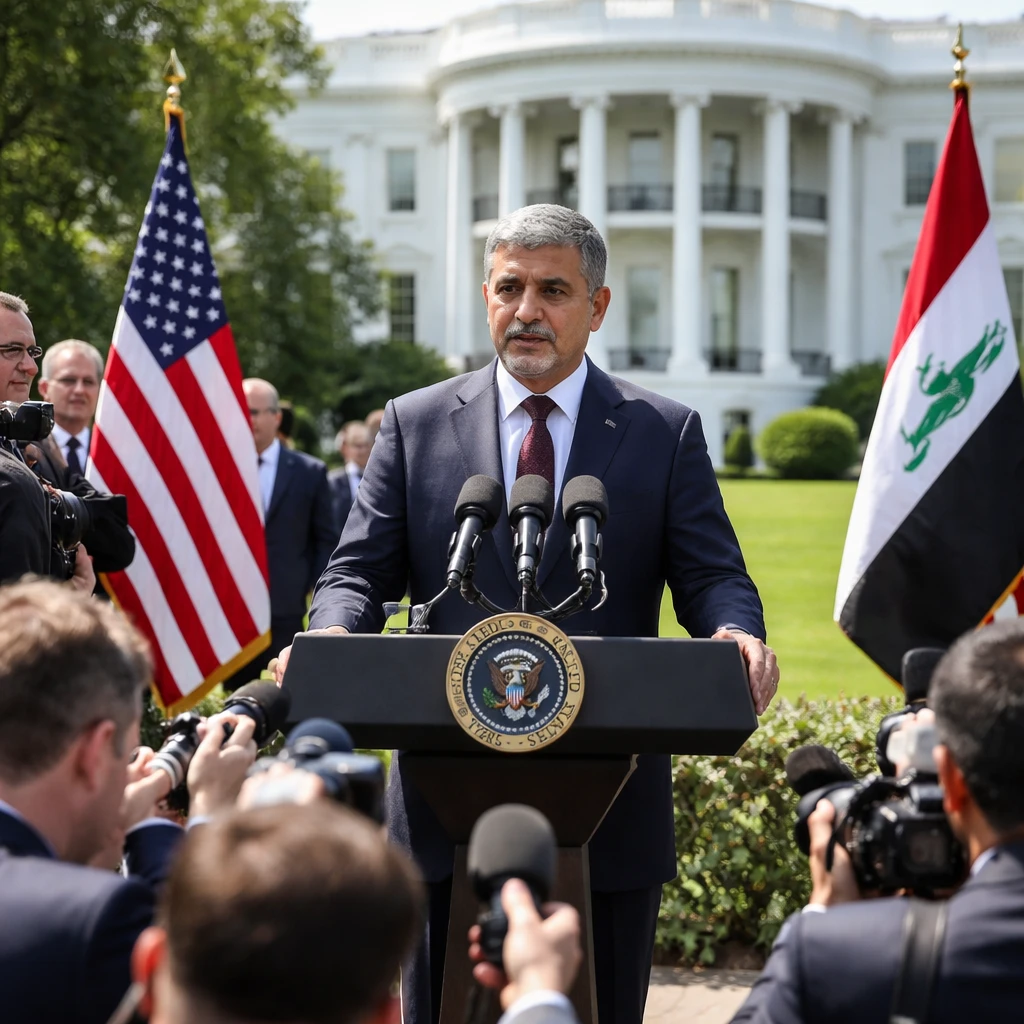
Iraqi Prime Minister Ali al-Zaidi said he expects Iraq to receive a fair share within OPEC as he held bilateral talks at the White House with U.S. President Donald Trump. The trip to Washington aims to secure substantial U.S. investment in Iraq's oil, gas and power sectors after war-related damage that weakened crude output and state finances. Al-Zaidi cited the financial and human cost of conflict with the Islamic State, saying reconstruction and resettlement plans depend on securing a fair allocation from OPEC.

Iraq Seeks a Larger OPEC Allocation While Pressing U.S. for Energy Investment
Summarize with
ChatGPT Perplexity Claude Grok Gemini

Key Points

  • Iraqi Prime Minister Ali al-Zaidi said Iraq is entitled to a fair share within OPEC when asked about the possibility of leaving the group.
  • Al-Zaidi made the remarks at the White House following a bilateral meeting with U.S. President Donald Trump while seeking major U.S. investment in Iraq's oil, gas and power sectors.
  • The prime minister cited over $400 billion in damage from conflict with the Islamic State and linked a fair OPEC allocation to plans for reconstruction and returning displaced Iraqis to their homes.

Iraqi Prime Minister Ali al-Zaidi told reporters on Tuesday that Iraq should receive a fair allocation within the Organization of the Petroleum Exporting Countries (OPEC) when asked whether he was contemplating a departure from the producer group.

The comments came at the White House after a bilateral meeting with U.S. President Donald Trump. The prime minister is in Washington to press for major U.S. investment into Iraq's oil, gas and power sectors, a push he framed as necessary in the wake of conflict that has reduced crude output and strained state finances.

"Iraq is one of the founding members of OPEC... Our right is to receive a fair share for Iraq," al-Zaidi said, reiterating Iraq's longstanding membership and asserting an entitlement to equitable treatment within the cartel.

Al-Zaidi also highlighted the toll of the fight against the Islamic State, noting that those conflicts imposed heavy costs and inflicted damage on the country's infrastructure. "The damage suffered by Iraq exceeds $400 billion, and to this day some Iraqis still have destroyed homes and are living in camps. I have a plan to return them to their homes, and that is why I want a fair share for Iraq in OPEC," he told reporters.

In his remarks, the prime minister linked the need for reconstruction and resettlement to the broader effort to rebuild Iraq's energy capacity and stabilize public finances. The Washington visit is focused on securing capital and partnerships targeted at oil, gas and power projects, which al-Zaidi presented as a central element of his recovery plan.

Beyond the immediate calls for a fair OPEC allocation, the statements underscore Baghdad's strategy of combining diplomatic engagement with prospective foreign investment to address the fiscal and infrastructure shortfalls created by recent conflicts. The prime minister framed equitable OPEC treatment as one piece of a wider agenda to restore output, repair damage and return displaced citizens to their homes.

Al-Zaidi's public comments at the White House press engagement offer a clear articulation of priorities: a fair share within OPEC, attractive terms for U.S. investment in energy and power, and visible progress on rebuilding communities affected by violence and instability.

Risks

  • Uncertainty over whether Iraq will secure a larger or more favorable allocation within OPEC - impacts the oil sector and national production plans.
  • No guarantee that the U.S. investment sought in oil, gas and power will materialize on the scale requested - affects energy sector capital flows and reconstruction projects.
  • The scale of infrastructure damage and large population displacement complicates reconstruction and resettlement efforts, with implications for public finances and power and utilities sectors.

More from Economy

Warsh Stresses Equal Commitment to Inflation and Employment Mandates Jul 14, 2026 UK banks shut out of Anthropic's Mythos underscores call for domestic AI build-out Jul 14, 2026 Manna Launches U.S. Operations, Targets Tulsa as Testbed for Drone Delivery Scale-Up Jul 14, 2026 Warsh Pledges Advance Notice and Public Debate for Any Fed Balance Sheet Changes Jul 14, 2026 Warsh Promises Advance Notice to Congress and Markets on Any Fed Balance Sheet Shifts Jul 14, 2026