
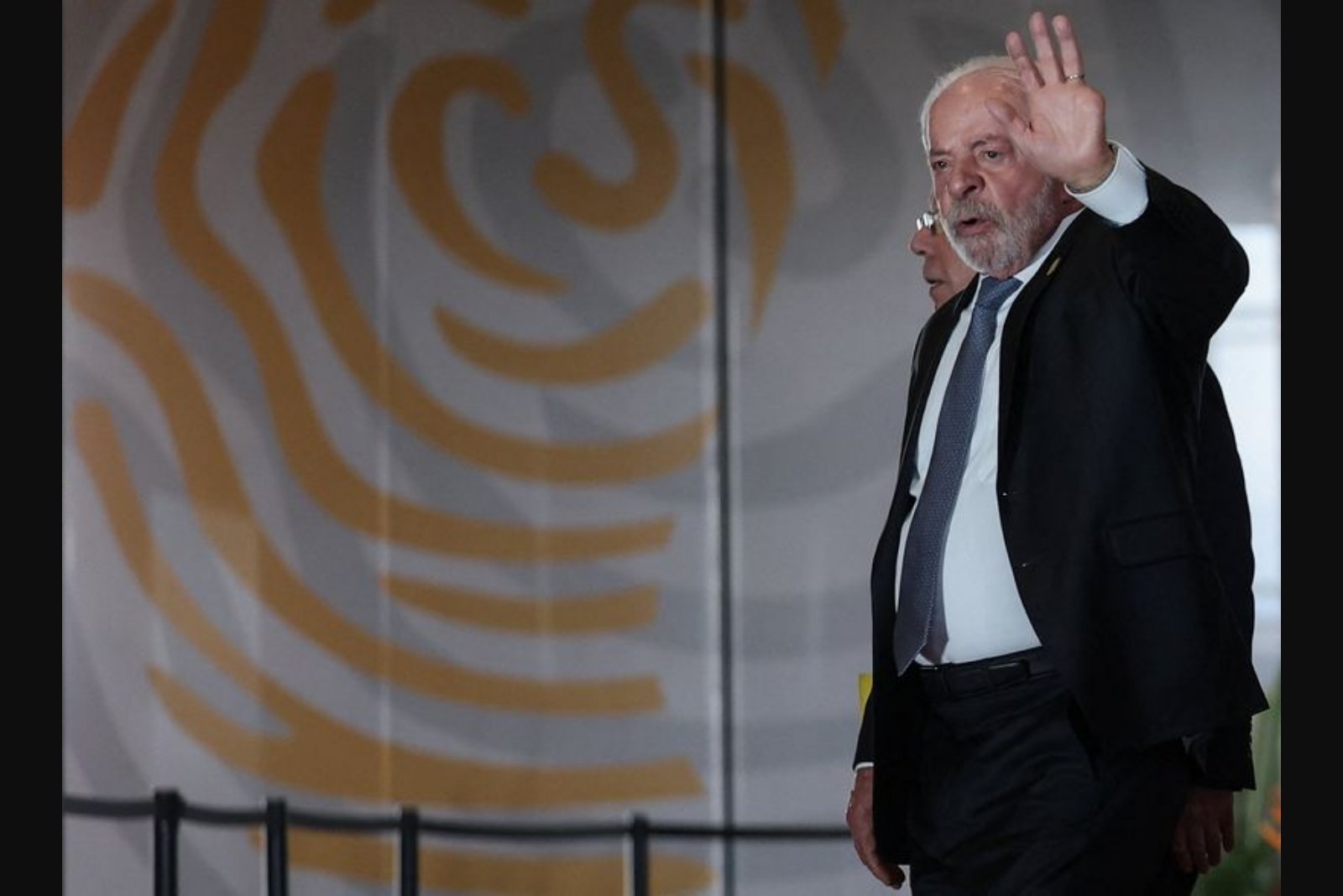
Brazilian President Luiz Inacio Lula da Silva issued a forceful critique of U.S. foreign policy in an interview published Thursday by the Spanish newspaper El Pais, arguing that global leadership should rest on respect rather than the use of fear. Speaking about a public threat on April 7 in which the U.S. president said he would wipe out Iranian civilisation - a comment Lula framed within the broader context of a U.S.-Israeli war on Iran - Lula said such pronouncements are beyond the remit of a head of state.
"Trump has no right to wake up in the morning and threaten a country," Lula told El Pais, adding that the U.S. president "wasn’t elected for that, and his Constitution doesn’t allow it."
As he prepared to meet another vocal critic of President Trump, Spanish Prime Minister Pedro Sanchez, in Barcelona on Friday, Lula characterized Trump’s international posture as "a very misguided game" premised on the belief that America’s military and economic strength grants it the authority to impose rules.
"No one has the right to frighten others," Lula said, underscoring his view that influential nations bear heightened responsibility for upholding peace. He framed his own leadership philosophy as favoring respect over fear.
On the subject of Venezuela, Lula urged that elections be held freely, without Washington’s interference. He cited a surprise January 3 raid by U.S. special forces that captured Venezuelan President Nicolas Maduro in Caracas as the context for his remarks, and said: "What cannot happen is for the U.S. to think it can run Venezuela. That’s not normal; it has no place in a democracy."
The interview recounted a history of tensions between Lula and Trump stretching back over the past decade. Lula noted that his primary opponent in the last election, far-right former President Jair Bolsonaro - who is now serving a 27-year sentence for plotting a coup to remain in power - had been a close ally and supporter of Trump.
Lula, 80, also referenced the advanced ages of both leaders as part of an appeal for moderation. He recalled urging restraint when Trump, 79, imposed heavy tariffs on Brazil and imposed sanctions on judges overseeing the Bolsonaro case; those sanctions were later lifted and the tariffs subsequently rolled back.
"Two countries governed by two gentlemen in their eighties should speak with great maturity," Lula said, reiterating his call for diplomatic restraint and responsible conduct among the most powerful states.
The comments come as Lula prepares to meet Prime Minister Sanchez, signaling a continuing effort to engage European leaders while publicly challenging aspects of U.S. policy that he views as destabilizing.