
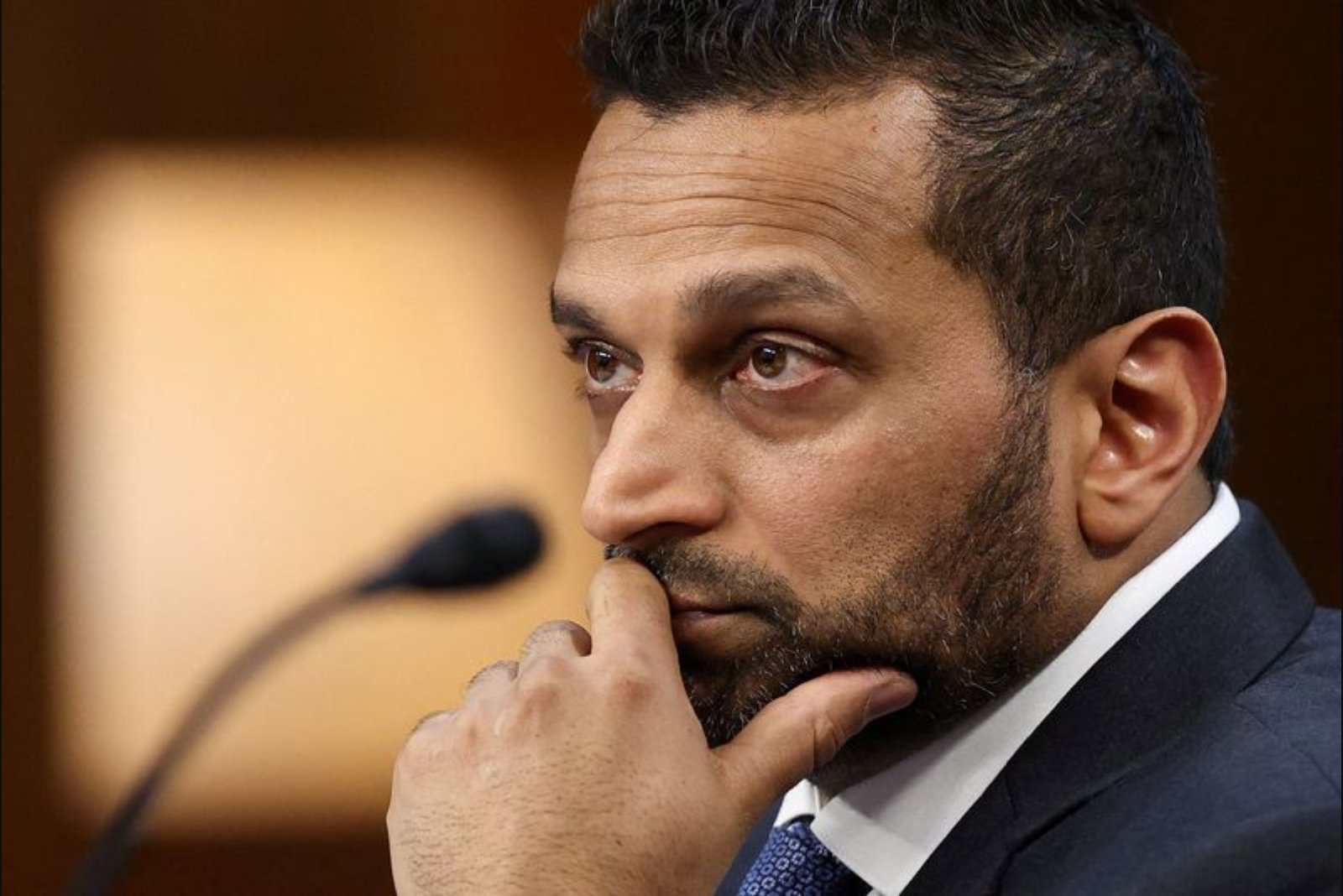
FBI Director Kash Patel has filed a defamation complaint against the Atlantic magazine and reporter Sarah Fitzpatrick, accusing the publication of printing false and damaging allegations about his conduct while seeking $250 million in damages.
The lawsuit, lodged in the U.S. District Court for the District of Columbia, follows an article that initially ran under the headline "Kash Patel’s Erratic Behavior Could Cost Him His Job" and later was published online with the title "The FBI Director Is MIA." The piece cited more than two dozen anonymous sources who, according to the article, expressed worry about Patel's "conspicuous inebriation and unexplained absences" and said those behaviors had "alarmed officials at the FBI and the Department of Justice."
The Atlantic's article reported that early meetings during Patel's tenure had to be rescheduled "as a result of his alcohol-fueled nights," and that Patel "is often away or unreachable, delaying time-sensitive decisions needed to advance investigations." The story, as described in the complaint, said officials were concerned the alleged conduct could pose a threat to national security.
In response to the published allegations, the White House, the Department of Justice, and Patel denied the claims, the suit notes. A statement attributed to the FBI and to Patel in the article read, "Print it, all false, I'll see you in court - bring your checkbook." Patel himself is quoted as saying, "The Atlantic's story is a lie," and accusing the magazine of printing falsehoods despite being provided with contrary information prior to publication.
Jeffrey Goldberg, the Atlantic's editor-in-chief, is quoted in the complaint as saying the publication stands by its reporting on Patel. The Atlantic and its reporter have not been reached for immediate comment as part of the complaint's filing process.
Allegations about pre-publication communications
Central to Patel's legal filing is the contention that the Atlantic ignored firm-led denials and did not properly engage with a formal pre-publication letter from Patel's lawyer, Jesse Binnall. The complaint says that Binnall sent the letter to senior editors and the outlet's legal department shortly before 4:00 p.m. on Friday, asking for additional time to rebut 19 allegations that the reporter had told the FBI press office she intended to publish.
The article was published, according to the complaint, at 6:20 p.m. the same day. The lawsuit alleges the publication failed to respond to the request for time to refute the claims, and it frames that failure as evidence of actual malice — the legal standard public figures must meet to secure relief for defamation. Under that standard, a plaintiff must show the defendant either knew the published information was false or acted with reckless disregard for whether it was true.
The complaint contends that the defendants "crossed the legal line" by printing what it characterizes as "replete with false and obviously fabricated allegations designed to destroy Director Patel's reputation and drive him from office." The filing asserts that the Atlantic's conduct, including its refusal to provide a reasonable window for response, supports the claim of actual malice.
Context in a pattern of litigation
The suit is presented in the complaint as the most recent example of officials from the prior administration pursuing legal action against media organizations. The filing references other high-profile lawsuits involving figures from that administration and national media companies, noting outcomes in several matters.
According to the materials included with the complaint, judges have dismissed prior lawsuits brought by the former president against major news organizations. The filing also notes instances in which media companies reached settlements: one broadcaster agreed to a settlement for $15 million plus $1 million in legal fees, and another corporate defendant agreed to a $16 million payment in a separate dispute characterized in the complaint as involving "deceptive editing."
What the lawsuit seeks and next steps
The complaint seeks $250 million in damages and asks the court to recognize that the Atlantic and the named reporter acted with actual malice in publishing the contested article. The filing points to the timing of the pre-publication letter and the reported publication time as evidence that the magazine acted with conscious disregard for the refutations provided by Patel's counsel.
As with any pending litigation, courts will evaluate the factual claims, the context of the reporting, and whether the legal standard for defamation by a public figure has been met. The complaint, as filed, asserts that the Atlantic's reporting crossed the threshold required for relief under defamation law.
At the time the complaint was filed, there was no public record in the filing indicating whether the Atlantic had formally responded to the pre-publication letter before the article went live.
Reporting on legal disputes involving public officials often raises complex questions about press protections and the responsibilities of news organizations to verify claims, and this case will proceed through the legal system where those questions will be addressed.