
Commodities April 20, 2026 10:44 AM

EU to Add Hormuz Blockaders to Iran Sanctions List

Brussels moves to widen sanctions scope after near two-month closure of Strait of Hormuz disrupted energy and commodities flows

By Maya Rios
EU to Add Hormuz Blockaders to Iran Sanctions List

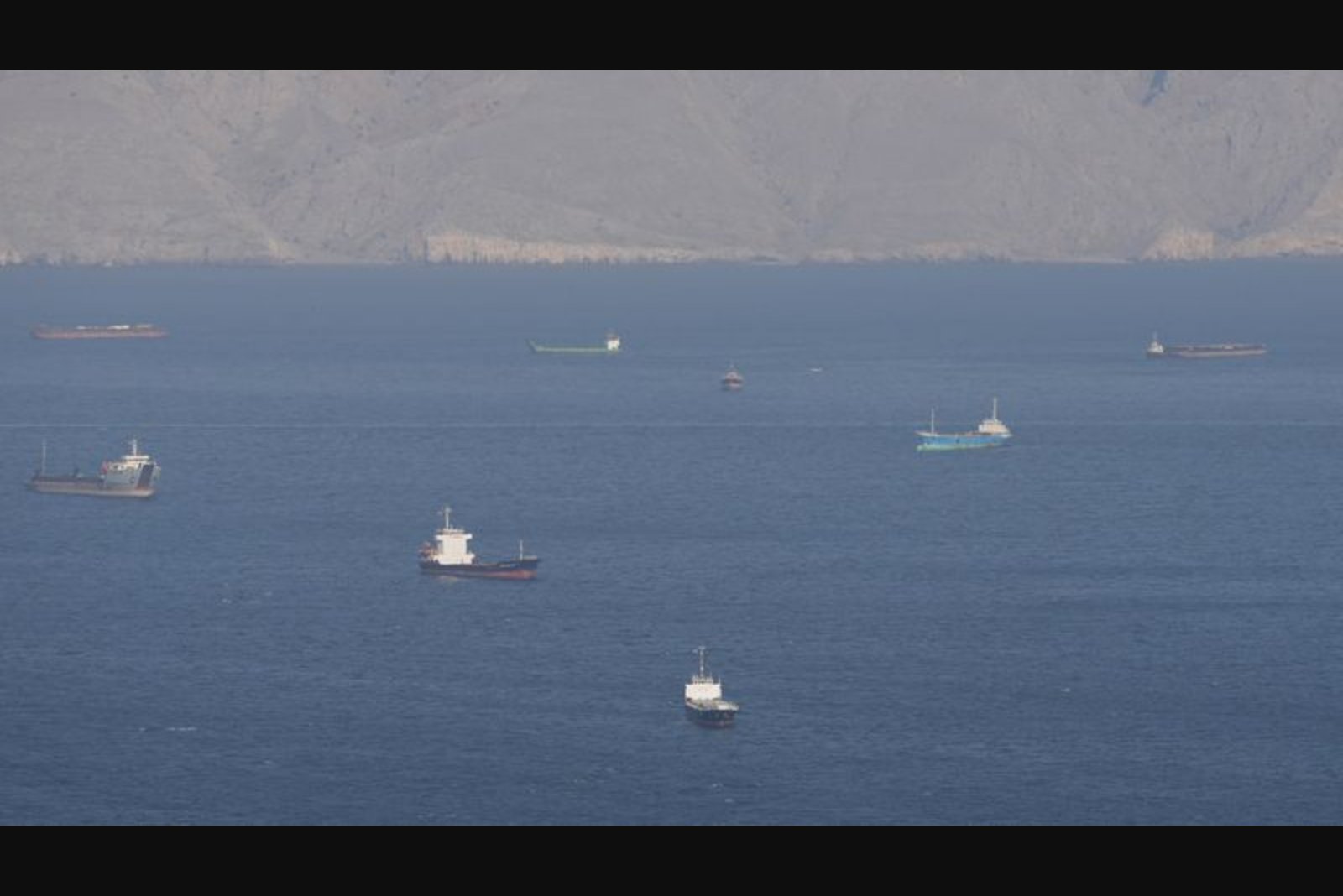
The European Union has agreed to broaden the criteria for its Iran sanctions to include individuals and entities responsible for obstructing navigation through the Strait of Hormuz. The move follows an effective closure of the strait after U.S.-Israeli strikes on February 28, which cut off about one-fifth of global oil and liquefied natural gas supplies, and comes amid a fragile ceasefire threatened by recent maritime seizures.

Key Points

  • The EU agreed to expand its Iran sanctions criteria to include those responsible for blocking navigation in the Strait of Hormuz, aiming to target actors behind the disruption.
  • Tehran effectively closed the strait after U.S.-Israeli strikes began on February 28, cutting off roughly one-fifth of global oil and liquefied natural gas supplies and unsettling energy and commodities markets.
  • The European External Action Service will need several weeks to prepare any new listings, while the European Commission remains responsible for sector-wide measures; the situation is complicated by recent maritime seizures that threaten the ceasefire.

The European Union will broaden its Iran sanctions regime to target those judged responsible for blocking transit through the Strait of Hormuz, two EU diplomats said, after the waterway was effectively shut for nearly two months and has severely disrupted global energy and commodities markets.

Officials say Tehran moved to close the strait following U.S.-Israeli strikes on Iran that began on February 28. That action cut off an estimated one-fifth of the world’s oil and liquefied natural gas supplies, figures cited by EU diplomats in discussions over the sanctions change.

In recent days more than a dozen tankers transited the strait after Iran briefly declared it open on Friday. However, the fragile ceasefire was threatened when the United States seized an Iranian cargo ship while maintaining its own military blockade of Iranian ports, an action diplomats said put the agreement in jeopardy.

One diplomatic source described a political accord among EU ambassadors to amend the criteria used in Iran’s sanctions framework so that people and organisations deemed responsible for obstructing freedom of navigation in the Strait of Hormuz can be listed. The diplomat said:

"There was a political agreement among ambassadors that we indeed would change the criteria in Iran’s sanctions regime so that we could also list persons and entities that are responsible for the obstruction of the freedom of navigation in the Strait of Hormuz."

A second diplomatic source noted that the European External Action Service - the EU body responsible for placing individuals and companies under restrictive measures - will require a few weeks to prepare any new listings. The European Commission, by contrast, handles sector-wide restrictions within the EU sanctions architecture.

The move follows earlier EU decisions this year to widen pressure on Tehran. In January the EU designated Iran’s Islamic Revolutionary Guard Corps as a terrorist organisation and in March it added specific Iranian officials to sanctions lists for human rights violations.


As the EU updates the criteria for listings, officials face logistical timing and procedural steps before any new sanctions can be imposed. The EEAS preparation timeline and the recent maritime incidents underline both the diplomatic and operational challenges of enforcing expanded restrictions while navigation through the Hormuz corridor remains unsettled.

Risks

  • The ceasefire was described as being thrown into jeopardy after the United States seized an Iranian cargo ship, creating uncertainty for shipping and energy supply routes - sectors directly affected by Hormuz access.
  • Timing uncertainty as the EEAS will require a few weeks to draft new listings, delaying the immediate enforcement of the expanded sanctions criteria and prolonging market uncertainty.
  • Continued obstruction of navigation in the Strait of Hormuz risks prolonged disruption to oil and liquefied natural gas flows, sustaining volatility in energy and commodities markets.

More from Commodities

Trump Rebukes Energy Secretary, Predicts Gas Prices Will Fall Once Iran Conflict Ends Apr 20, 2026 Mexico Seeks Early Accord on Steel, Aluminum and Autos Ahead of USMCA Review Apr 20, 2026 U.S. Forces Seize Iranian-Flagged Container Ship; Vessel Likely Carried Dual-Use Cargo Apr 20, 2026 European Gas Edges Up as Mideast Ceasefire Talks Remain Uncertain Apr 20, 2026 U.S. Firms Court Congo Mining Assets, Including Rebel-Held Rubaya, State Department Says Apr 20, 2026