
Commodities April 20, 2026 12:13 PM

Trump Rebukes Energy Secretary, Predicts Gas Prices Will Fall Once Iran Conflict Ends

President disputes forecast that lower pump prices may be years away, links relief to resolution of Iran war

By Marcus Reed
Trump Rebukes Energy Secretary, Predicts Gas Prices Will Fall Once Iran Conflict Ends

President Donald Trump rejected his energy chief's assessment that gasoline prices might not decline until 2027, asserting that U.S. motorists should see relief as soon as the conflict with Iran concludes. Energy Secretary Chris Wright had told CNN that sub-$3 per gallon gasoline "could happen later this year, that might not happen until next year," while also saying prices should fall once the conflict is resolved. The situation remains uncertain as a fragile ceasefire is due to expire and the Strait of Hormuz remains closed, with U.S. pump prices and global oil markets already reacting.

Key Points

  • President Donald Trump rejected Energy Secretary Chris Wright's view that lower gasoline prices may not arrive until 2027, saying prices will fall "as soon as this ends." - sectors affected: consumer retail, transportation, political landscape.
  • Energy Secretary Chris Wright said sub-$3 gasoline "could happen later this year, that might not happen until next year," but also noted prices should decline with resolution of the conflict.
  • Current market indicators: national average gasoline price $4.04 per gallon (AAA estimate) versus $3.15 a year ago; global oil prices rose about 5% on Monday. - sectors affected: energy, shipping, airlines, agriculture.

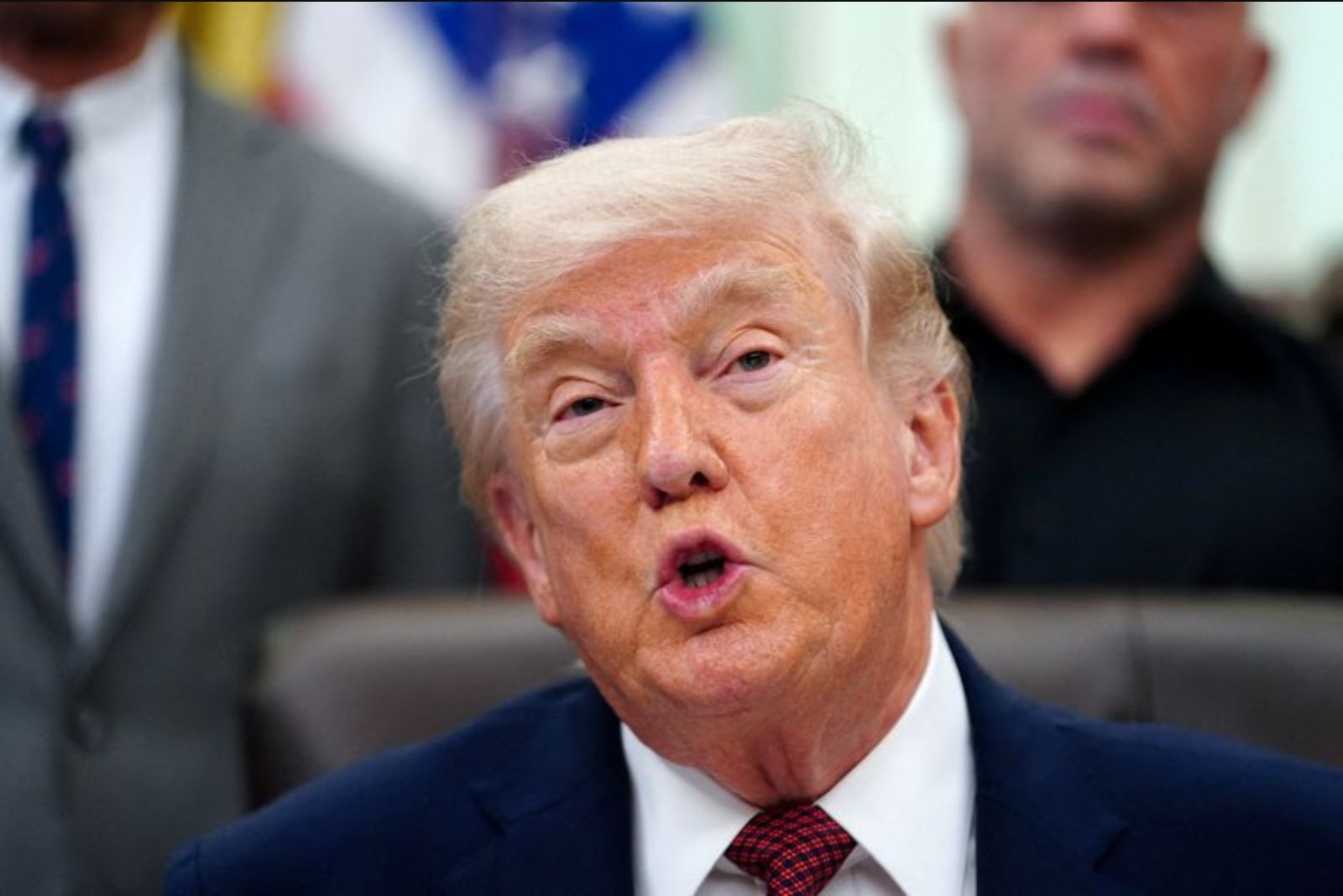
President Donald Trump on Monday dismissed an assessment from the nation’s top energy official that gasoline prices would not fall until 2027, instead telling reporters that lower pump prices will materialize "as soon as this ends" - referring to the ongoing conflict with Iran. The exchange highlighted a public divergence in messaging within the administration ahead of critical political timelines.

On Sunday, Energy Secretary Chris Wright told CNN that while gasoline dipping below $3 a gallon "could happen later this year, that might not happen until next year." Speaking separately to a reporter from The Hill, the president said of that outlook: "I think he’s wrong on that. Totally wrong." Wright, also on CNN, acknowledged that "with the resolution of this conflict, you’ll see prices go down," but neither the secretary nor the president pointed to a specific timeline for such a resolution.

The conflict remains unsettled. A fragile ceasefire is scheduled to expire shortly, and the prospects for another successful round of peace talks are unclear. Meanwhile, Iran has shuttered the Strait of Hormuz, a principal shipping channel for seaborne oil, as the war that began after U.S. and Israeli strikes on Iran on February 28 moves into its second month. Oil markets have responded: oil prices rose about 5% globally on Monday.

Domestic gasoline costs have already risen sharply. According to an estimate from AAA, the national average for a gallon of regular gasoline on Monday stood at $4.04, up from $3.15 a year earlier. Higher fuel prices have rippled through the economy, contributing to increased costs for airline tickets, housing, fertilizer and groceries, among other goods and services.

The political context compounds the economic pressure. Trump and other Republicans face scrutiny ahead of November’s midterm elections after promising to reduce costs for American consumers. With months of campaigning remaining, persistent high gasoline prices, rising inflation and softer approval ratings are weighing on the party’s standing. The president has at times suggested prices could remain elevated through November, while Treasury Secretary Scott Bessent last week said he expected retail gasoline to fall into the $3 per gallon range this summer.

The administration’s mixed signals underline the uncertainty surrounding when and how quickly energy prices might normalize. For now, market moves, shipping disruptions and a tenuous ceasefire leave outcomes dependent on diplomatic and military developments that are, as officials acknowledge, far from settled.

Risks

  • No clear end to the Iran conflict: a fragile ceasefire is set to expire and the chance that further talks will succeed is uncertain - risk to fuel supply and global oil market stability (energy and shipping sectors).
  • Closure of the Strait of Hormuz by Iran presents ongoing logistical and supply risks for seaborne oil shipments, which can sustain elevated oil and gasoline prices (shipping and energy sectors).
  • Sustained high gasoline prices are contributing to broader inflationary pressure and could influence consumer costs across multiple categories, increasing economic and political risk ahead of November’s midterm elections (consumer goods, transportation, housing).

More from Commodities

Mexico Seeks Early Accord on Steel, Aluminum and Autos Ahead of USMCA Review Apr 20, 2026 U.S. Forces Seize Iranian-Flagged Container Ship; Vessel Likely Carried Dual-Use Cargo Apr 20, 2026 EU to Add Hormuz Blockaders to Iran Sanctions List Apr 20, 2026 European Gas Edges Up as Mideast Ceasefire Talks Remain Uncertain Apr 20, 2026 U.S. Firms Court Congo Mining Assets, Including Rebel-Held Rubaya, State Department Says Apr 20, 2026