
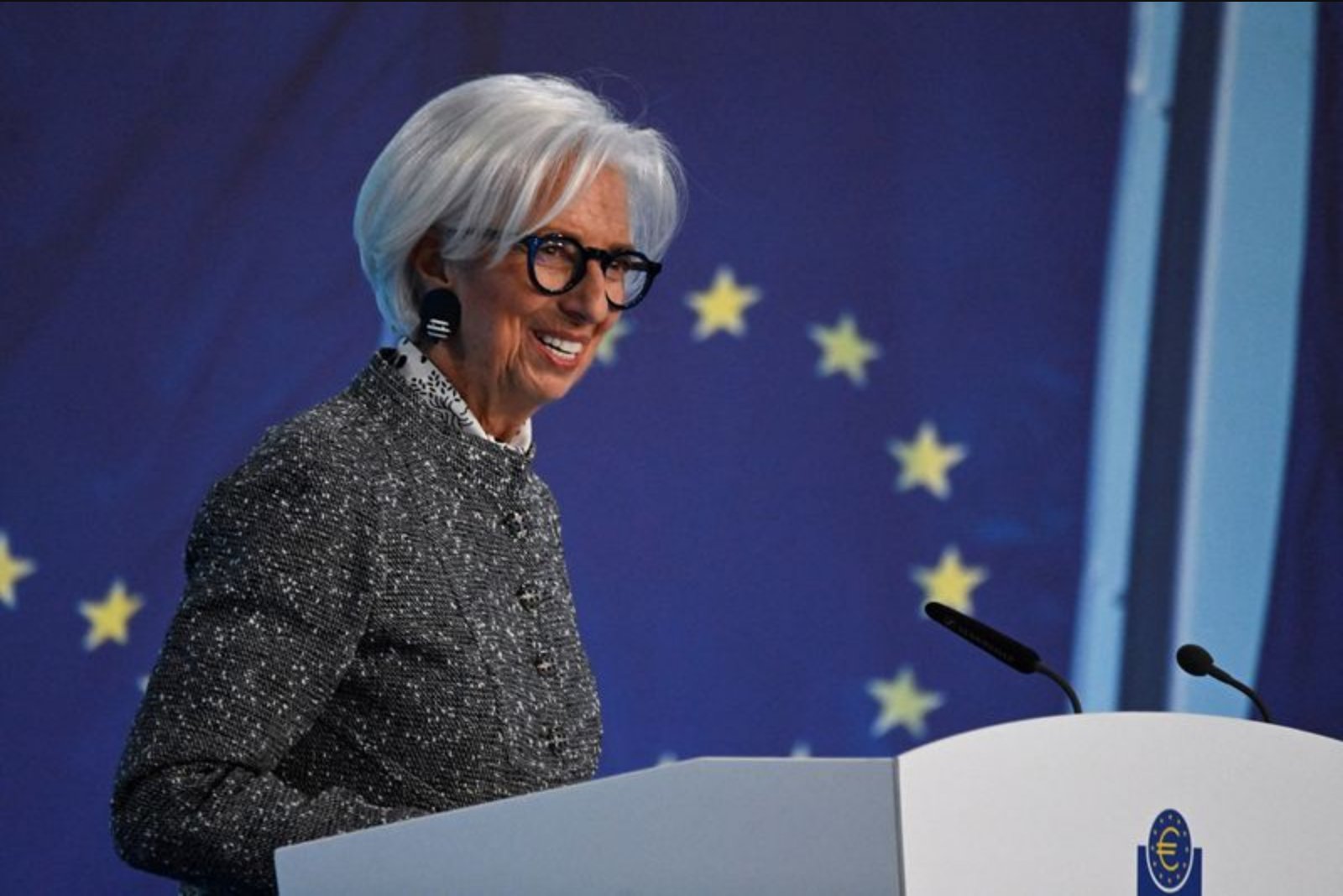
Frankfurt, April 20 - The economic consequences of the war in Iran have not yet reached the severity described in the European Central Bank's adverse scenario, ECB President Christine Lagarde said in a speech in Berlin on Monday. She urged caution, saying the bank requires additional information before drawing definitive policy conclusions.
Energy costs jumped last month as a result of the conflict, but policymakers so far have found no conclusive evidence that this has produced second-round price effects, a development that would be a key trigger for interest-rate increases. The timing of Lagarde's remarks - less than two weeks ahead of the April 30 policy meeting - is likely to bolster market expectations that a rate hike in April remains unlikely, even if one could become necessary later.
"So far, we have not seen energy prices rise far enough to push us squarely into our adverse scenario," Lagarde said. She added: "This ... uncertainty about the duration of the shock and the breadth of pass-through argues for gathering more information before drawing firm conclusions for our monetary policy."
Lagarde noted a mixed picture across energy markets. While oil spot and futures prices sit above the levels assumed in the ECB's baseline projections, natural gas prices are running below baseline. She attributed part of the gas weakness to some Asian buyers switching to coal, which has reduced global gas demand.
The central bank faces countervailing forces in the current environment. On one hand, firms and households retain a vivid memory of the 2022 inflation episode, which may prompt quicker adjustments to wage and price demands - a so-called memory effect that can accelerate inflationary dynamics. On the other hand, higher energy bills erode disposable incomes, constraining companies' ability to pass costs on through higher selling prices.
So far, Lagarde said, there have been only limited indications of supply chain disruption globally and within the euro zone. She warned, however, that localized stress has already appeared in some areas of the transport sector: "But local tensions are visible: jet fuel prices have roughly doubled since the outbreak of the conflict, and rationing has been imposed at some individual airports since early April," she said.
Lagarde's public caution underscores the ECB's current stance of data-dependence as it assesses whether energy-driven shocks will feed through to broader inflation and require a policy response.