
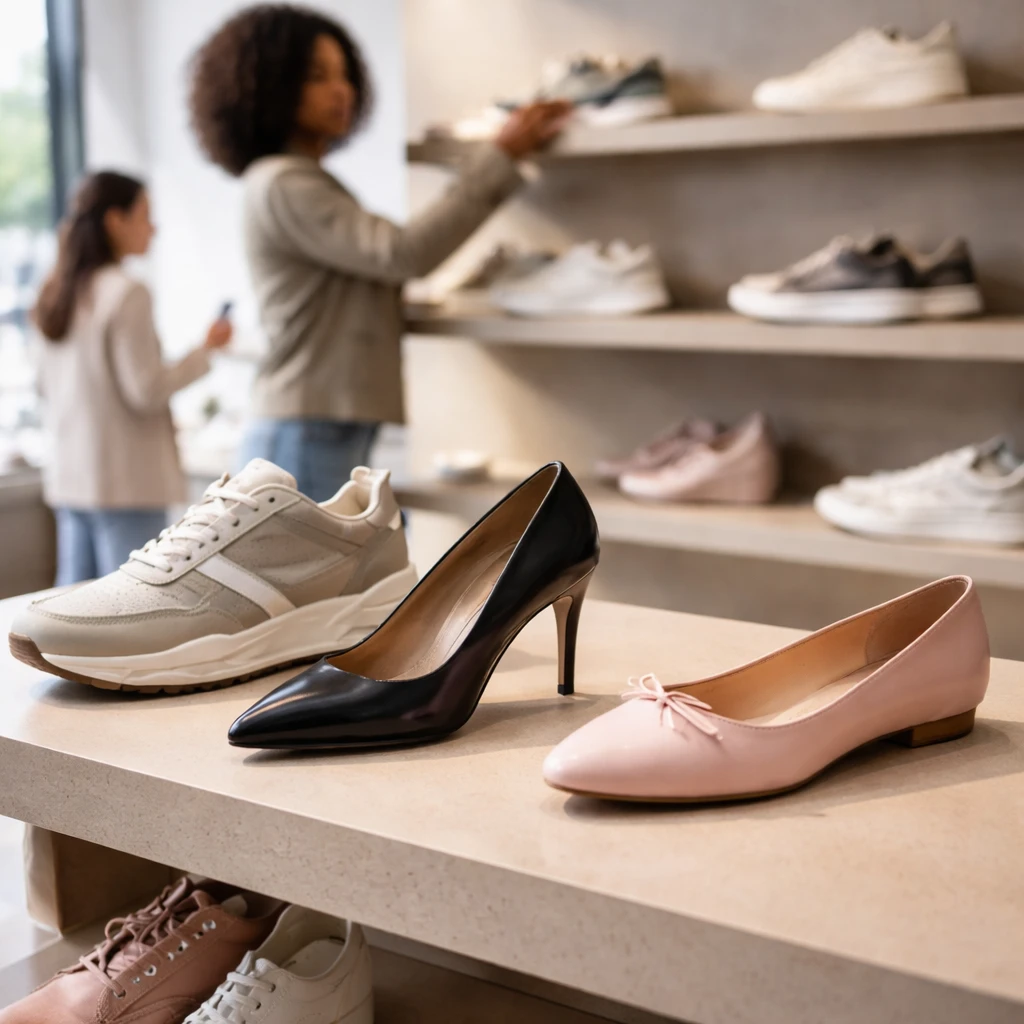
Bernstein analysts find that a small but notable fashion rotation toward dressier footwear for 2026 is already influencing parts of the sportswear market, yet they stress the sector's broader, long-term expansion remains on course. While signs of softer interest in some sneaker models have surfaced, Bernstein's assessment is that secular growth in sports footwear - across regions and demographic groups - continues unabated.
The firm's review emphasizes two coexisting trends. On the one hand, sports footwear is still expanding its presence in consumers' wardrobes and budgets: shoppers are not only wearing sneakers more often but, according to Bernstein, they are also showing a higher willingness to pay for them year over year. That multi-year pattern is attributed to greater focus on health and wellness and to the continued casualization of occasions that historically called for dressier shoes.
On the other hand, Bernstein highlights a discrete style cycle now turning the spotlight toward dressier silhouettes such as pumps, ballet shoes and Mary Janes for 2026. The firm characterizes this development as a micro-trend nested within the broader secular move toward sportswear, comparable in scale to prior fashion rotations that briefly elevated other categories.
Against that backdrop, Bernstein lists three sportswear companies it views as best positioned to handle the evolving fashion mix:
- Adidas - The analysts point to Adidas' active product innovation as a reason it can retain market share. Adidas is introducing sneaker hybrids in fashionable silhouettes, including the Adidas Samba Jane, which the firm sees as a way to stay aligned with the dressier trend while preserving its core sportswear identity.
- Puma - Puma ranks highly for its agile response to the cycle. Products such as the Speedcat Ballerina illustrate the brand's willingness to embrace the dressier shift rather than resist it, a stance Bernstein believes should help Puma hold on to share during the fashion rotation.
- Nike - Bernstein argues Nike's emphasis this year on performance footwear should serve as a buffer against the micro-trend's effects. The firm notes the dressier movement largely affects women's lifestyle sneakers, whereas Nike's current performance-focused strategy is expected to limit meaningful demand headwinds from the trend.
The report also references recent company results, noting that Nike posted fourth-quarter revenue of $12.9 billion, a 1% year-over-year increase, and reported earnings per share of $1.01. Following those results, Morgan Stanley kept an Overweight rating on Nike.
Bernstein cautions that not all brands will fare equally through this cycle. Lifestyle-heavy names such as Vans and Converse are identified as potentially more vulnerable to share losses during the dressier rotation. Likewise, the firm flags that running brands which consumers often wear for casual occasions might see demand slow in those use cases as preferences shift.
Overall, Bernstein frames the dressier footwear focus for 2026 as a contained fashion cycle that will influence relative performance within the sportswear sector but not upend the category's long-term secular growth drivers.
Key takeaway - The sportswear category remains in long-term growth mode, even as a short-term dressier footwear cycle reshapes demand dynamics for certain brands.