
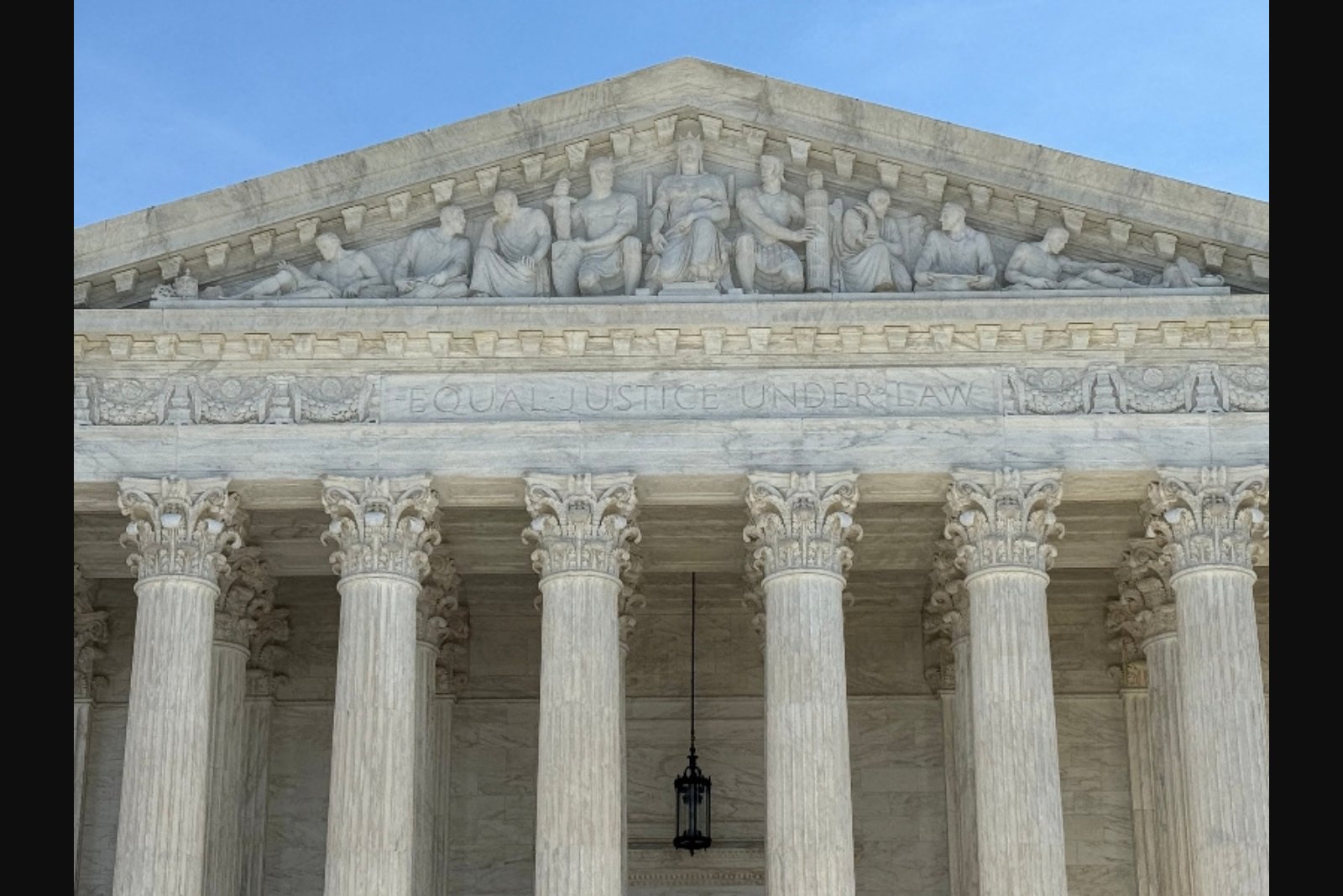
The U.S. Supreme Court has accepted an appeal from the Archdiocese of Denver and other Catholic organizations seeking an exemption from Colorado’s preschool funding program requirements, setting up a high-stakes confrontation between claims of religious liberty and statutory nondiscrimination conditions.
A lower court previously concluded that Colorado’s program did not violate the religious rights of the Catholic plaintiffs under the First Amendment. That ruling was affirmed by the Denver-based 10th U.S. Circuit Court of Appeals last year, and the Archdiocese and its co-plaintiffs have now taken the case to the nation's highest court. The justices have agreed to hear oral argument in the term that begins in October.
Colorado’s preschool program makes state funds available to preschools that meet certain programmatic conditions. One condition requires that schools accepting these public funds give all children an "equal opportunity" to enroll, regardless of specified characteristics. The list of protected attributes cited by Colorado includes, among other items, the sexual orientation or gender identity of students or members of their families.
The Archdiocese of Denver, which administers 34 Catholic preschools, and the other Catholic plaintiffs object to that requirement. In their appeal to the Supreme Court they argued that the state’s rule effectively steers families toward preschools that "share the government’s views on these issues," and that the policy therefore penalizes religious schools and families who hold dissenting beliefs.
In filings with the court the plaintiffs referenced the Supreme Court’s prior ruling from 2015 on same-sex marriage and urged the justices to uphold protections for religious groups that dissent from prevailing secular views on marriage and sexuality. The plaintiffs’ lawyers framed their argument under the Free Exercise Clause of the First Amendment, asserting that the clause cannot perform its constitutional role "- which this court has described as 'at the heart of our pluralistic society' - if it can be so easily evaded," quoting their brief.
Colorado officials counter that the state's equal-opportunity requirement is neutral and generally applicable to all participating organizations, and therefore does not intrude upon the Free Exercise Clause. The parties also dispute whether the program already allows carveouts for certain secular objectives - for example, to give priority to children from low-income families or to those with disabilities - while denying similar exemptions when the basis is religious conviction.
A federal judge in Colorado ruled in 2024 in favor of the state’s defense of the program. That ruling was later upheld by the 10th U.S. Circuit Court of Appeals, leading the Catholic plaintiffs to press the matter to the Supreme Court.
What to watch next: The Supreme Court's forthcoming decision to hear the case will place the legal question squarely before the justices in the term beginning in October. The case will focus on whether a neutral, generally applicable condition attached to public preschool funding can be enforced against religious organizations without running afoul of the Free Exercise Clause.