
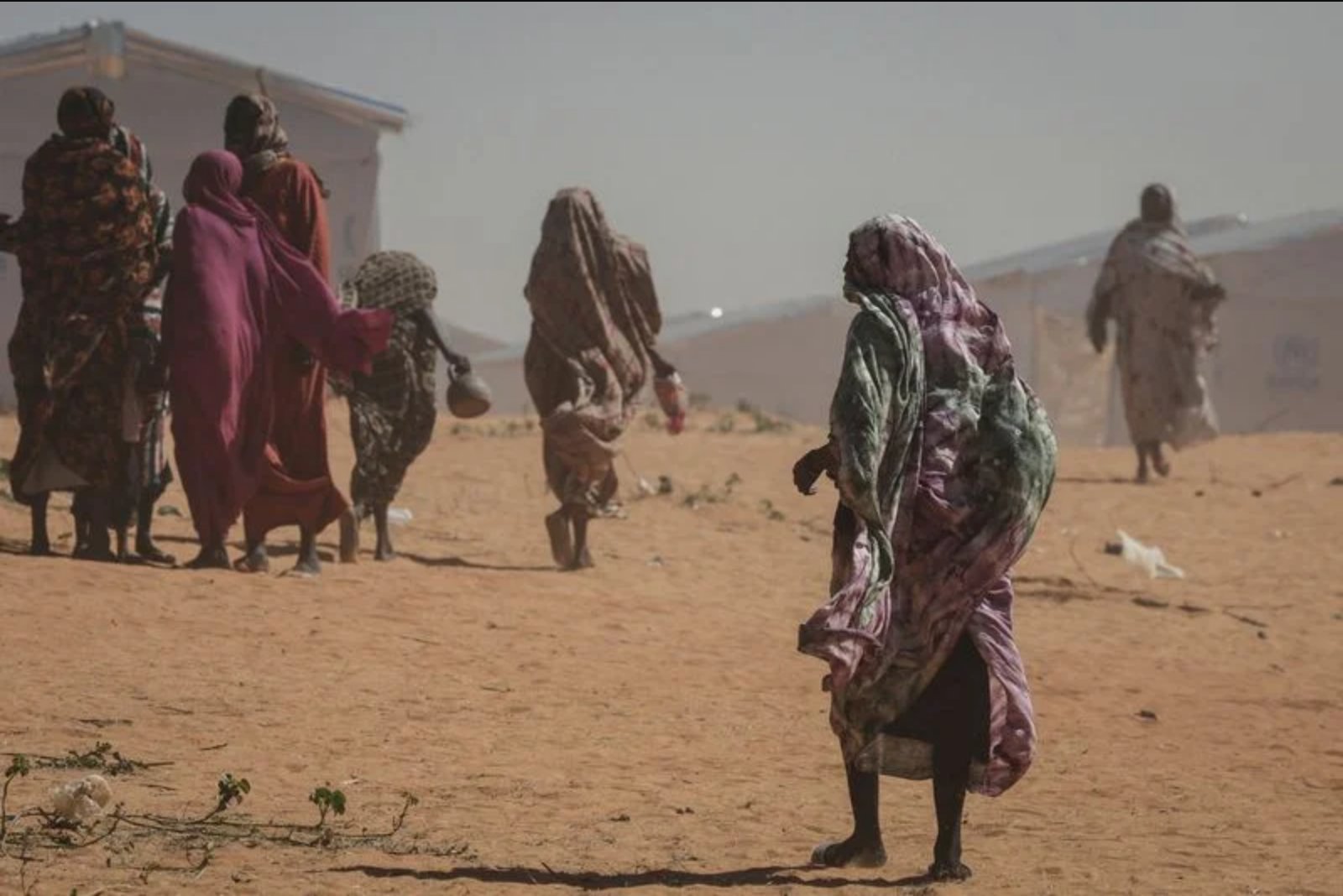
The United Nations Fact-Finding Mission for Sudan reported that the Rapid Support Forces carried out a campaign of mass killings, the abduction of women and girls, large-scale gang rapes and the imposition of starvation in al-Fashir, a city in north Darfur that the RSF captured last year after an extended siege.
Investigators concluded these acts were not isolated incidents but part of a coherent policy that, in the mission's judgment, amounts to genocide. The mission's findings draw on survivor testimony and documented patterns of conduct during and after the RSF’s capture of the city.
Survivors interviewed by the mission described being sexually assaulted in rooms where the bodies of recently killed civilians - including their own relatives - remained on the floor. Those accounts were highlighted in the report as evidence of the atrocity scale and the context in which sexual violence occurred.
The fact-finding team also determined that the RSF and allied forces committed the war crime of starvation. The report states that a prolonged siege was imposed on al-Fashir, relief supplies were impeded, and food production systems were shelled, collectively depriving civilians of access to sustenance.
The RSF has denied committing such abuses during more than three years of civil conflict, characterizing the allegations as fabrications by its adversaries and leveling counter-accusations.
Separately, the U.N. human rights chief warned that a similar "catastrophe" was taking shape around al-Obeid, the capital of North Kordofan state, noting that his office had recorded patterns of summary executions, abductions, torture and sexual violence in the surrounding area. Al-Obeid now hosts roughly half a million people, including more than 83,000 internally displaced persons, and international actors have warned of risks of large-scale atrocities as RSF forces mass in the vicinity.
Members of the U.N. Human Rights Council formally condemned the violence and established an urgent inquiry into alleged abuses in the region. The council's move follows an earlier fact-finding report issued in February, which said mass killings of non-Arab communities during the RSF’s capture of al-Fashir bore the hallmarks of genocide.
The mission's new report states it has identified additional evidence that supports the earlier assessment, finding a widespread and systematic pattern of violent conduct - including widespread killings, mass rape and deliberate starvation - that aligns with an intended policy.
"The patterns we documented in al-Fashir - including encirclement, attacks on civilian infrastructure, restrictions on humanitarian access, and widespread abuses against civilians - serve as a stark warning," said Mohamed Chande Othman, the mission's chair. "The international community must heed these lessons and act to prevent further catastrophe," he added.
The mission's findings emphasize both the human toll and the mechanisms used to inflict harm: siege tactics that limit humanitarian assistance, direct attacks on systems that produce or distribute food, and patterns of sexual violence and mass killings documented through survivor testimony. The report stops short of assigning additional specifics beyond its evidentiary conclusions, and it records that the RSF has rejected the accounts presented.
The U.N. inquiry and the Human Rights Council's urgent investigation aim to consolidate evidence and prompt international response, while warnings from states and U.N. officials underscore concerns about other population centers vulnerable to similar conduct. The situation described in the report raises acute concerns for civilians who remain in or near conflict-affected cities and for agencies attempting to deliver aid under constrained conditions.
Related considerations: the mission documents explicit attacks on food production and impediments to relief deliveries, and it highlights the displacement of tens of thousands of people into major population centers - developments that complicate humanitarian logistics and local market functioning in affected regions.