
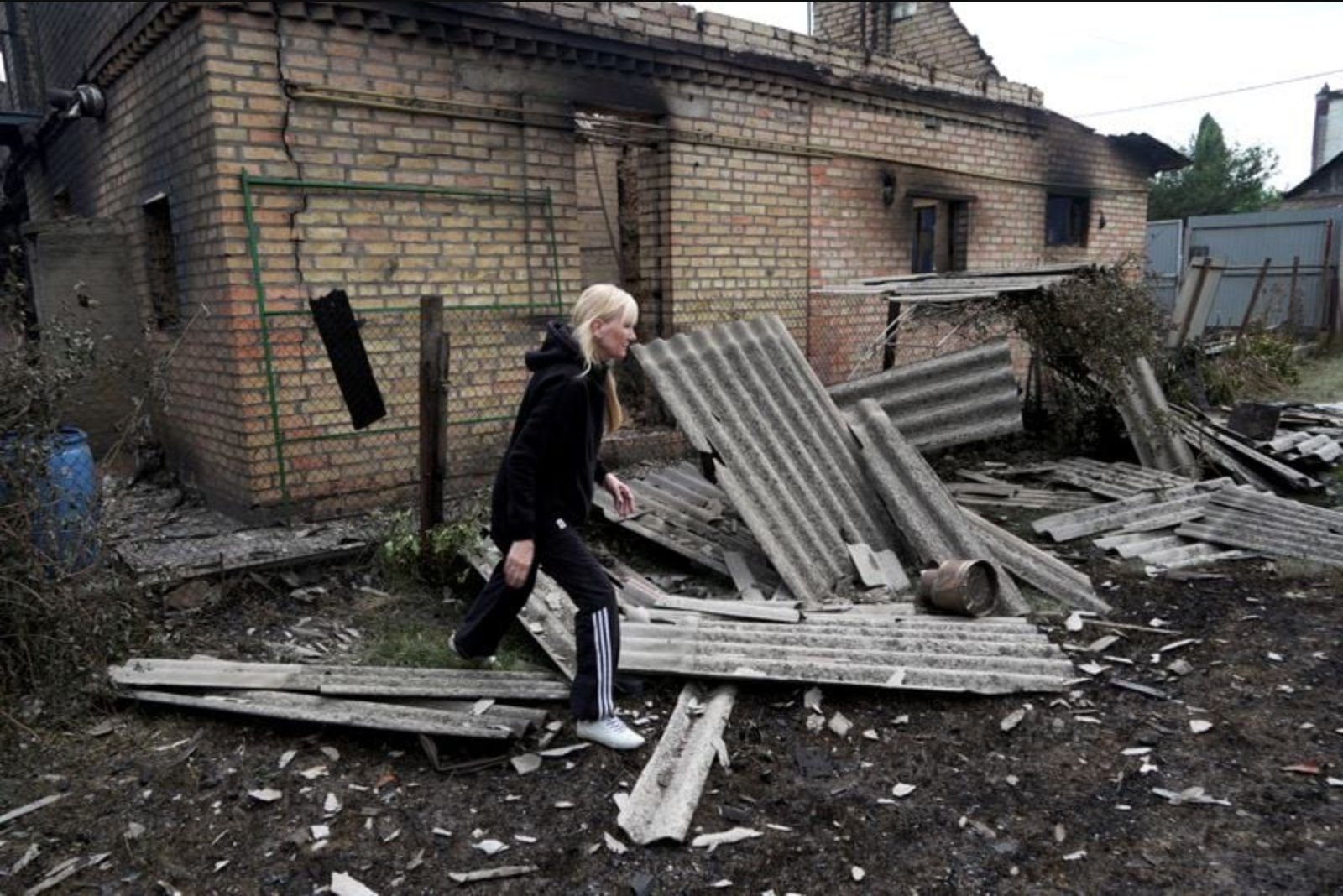
KYIV, July 7 - A second sleepless night for many Kyiv residents followed an intense Russian missile attack that tore open an apartment block and killed dozens across the capital and surrounding areas. At the scene of one struck building, 31-year-old Diana Bobrovska, who sheltered with her 2-year-old son, described mounting anxiety as people contemplated further strikes.
"Two nights without sleep is very difficult," Bobrovska said near the wreckage. "Plus the nerves - it’s all very bad, to be honest." Authorities reported that eight people were killed inside their homes at that particular site.
Authorities said the attack involved 23 ballistic missiles fired during the overnight strike on Kyiv and nearby districts. The bombardment killed 25 people in total. Defence ministry adviser Serhii Beskrestnov told local television that Ukraine had effectively exhausted its stock of Patriot missiles, the U.S.-made interceptors used to stop ballistic projectiles.
President Volodymyr Zelenskiy has repeatedly urged allies to supply additional Patriot systems. He is expected to raise the issue again at this week’s NATO summit in Turkey, according to statements attributed to his office. Air force data showed that in July air defences managed to shoot down just four out of 49 ballistic missiles launched by Russia.
Local residents and emergency workers at the damaged apartment site expressed concern that Russia may intensify strike campaigns while Ukrainian air-defence capacity is strained.
Personal accounts and local reactions
Roman Starostyshyn, 47, a doctor who lives a short walk from the destroyed building, said a series of explosions woke him on Monday, describing the sound as like the "smash of a hammer". He said he was weighing whether to move his family out of the capital if attacks continue, despite the impracticality of working remotely.
"It’s going to get worse before it gets better," Starostyshyn said. "I think the darkest time is before dawn, and maybe we’re still in for the darkest time."
Anastasia Rybak, 32, currently on maternity leave while her husband serves in the armed forces, rejected leaving the country. She described the situation as akin to "Russian roulette" of attacks but said: "You can leave for abroad, but for me that’s not an option. Our country is our country."
Military and political context
Officials reported that Russia has been increasing aerial assaults in recent months. The escalation has come alongside setbacks for Russian ground forces and damage to Moscow’s military logistics and oil industry caused by Ukrainian operations, according to the reporting on the attacks.
President Vladimir Putin has stated his intention to continue military operations despite what Russian leaders describe as mounting difficulties. Moscow has demanded Kyiv cede control of the remainder of the Donetsk region in eastern Ukraine - territory it has not managed to capture after more than four years of conflict.
U.S. President Donald Trump, who has spoken with both Ukrainian and Russian leaders, said in Ankara on Tuesday that he believed the war could be "settled, hopefully soon." The comment was reported in the context of diplomatic contacts but did not identify specific outcomes or timelines.
Operational implications
The reported depletion of Patriot interceptors and the low interception rate for ballistic missiles in July - four out of 49 - highlight an acute pressure point for Ukraine’s air-defence posture. Residents and local officials said they feared further civilian casualties and damage if strike tempo increases while interceptor stocks remain limited.
In the immediate aftermath of the overnight strikes, emergency responders and neighbours worked at damaged residential sites amid continuing concerns about further attacks and about how shortages of key defence systems may affect protection of populated areas.
The situation remains fluid, with public statements from Ukrainian officials and leaders of other countries indicating diplomatic and military discussions are ongoing. Local civilians continue to weigh personal safety against commitments to stay, with at least some considering relocation if the attacks intensify.