
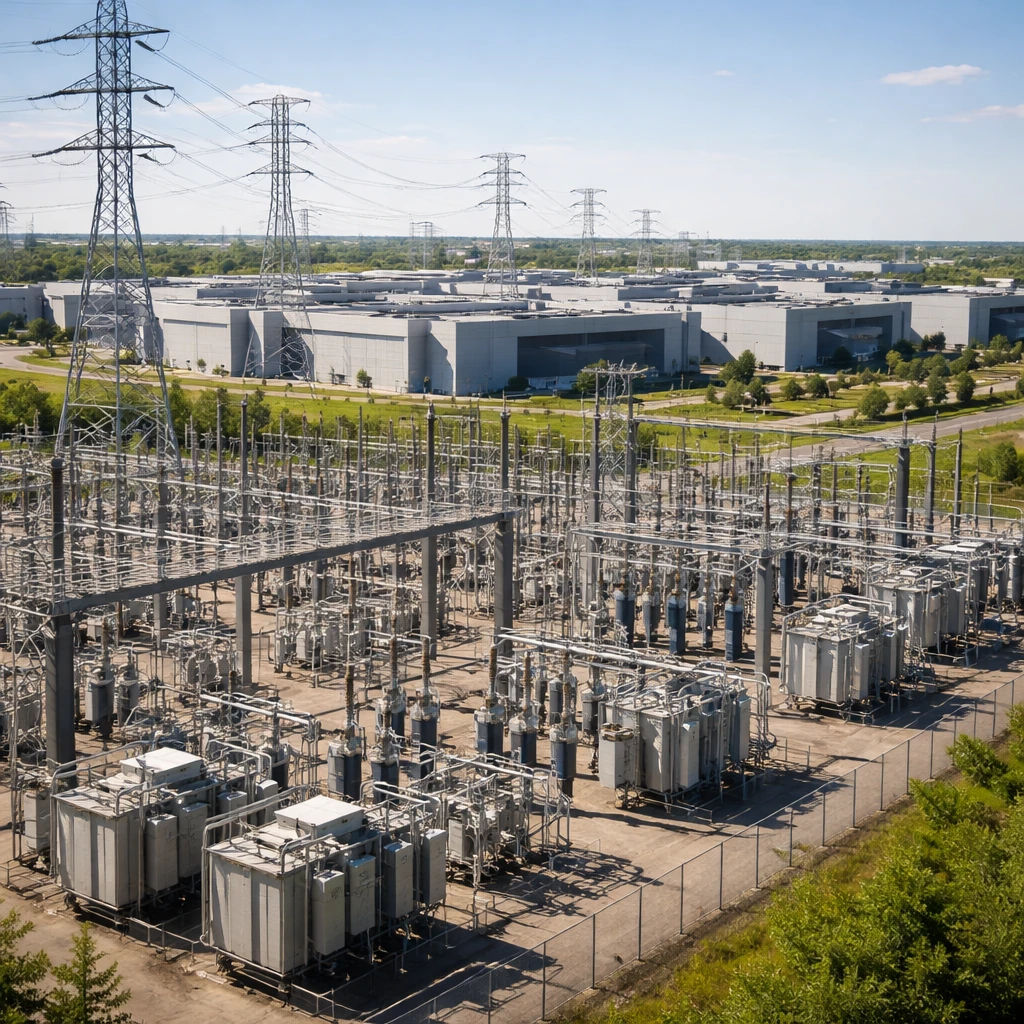
The U.S. House of Representatives is expected to hold a vote as soon as Wednesday on bipartisan legislation aimed at limiting electricity bill increases linked to the rapid expansion of data centers that power artificial intelligence operations.
The proposal, called the Ratepayer Protection Act, would instruct state utility regulators to take into account whether very large electricity consumers - including data centers - should shoulder the additional costs of the power infrastructure necessary to serve their needs. The move comes amid pressure on officials at all levels of government to prevent the rising costs associated with data center power demand from being passed through to ordinary households.
The bill was introduced by Representative Kathy Castor, a Democrat from Florida, and Representative Gabe Evans, a Republican from Colorado. It has drawn bipartisan support and is widely expected to clear the House, representing an uncommon area of agreement among lawmakers as they navigate tensions between economic growth, grid reliability and consumer affordability in the run-up to the November midterm elections.
At a press conference this week, U.S. House Democratic Leader Hakeem Jeffries signaled his support for the legislation, describing it as an "appropriate step forward" while adding that "more clearly needs to be done."
"This particular ratepayer bill is really one relatively modest step in the right direction," said former Federal Energy Regulatory Commission member Allison Clements. "It holds value in that it’s signaling, should it pass on a bipartisan basis, that Congress continues to be aligned with the priorities of protecting customers in the face of all of this new needed investment and demand growth."
Environmental advocacy group Food & Water Watch criticized the measure for its narrow focus on electricity costs, arguing that it does not address wider concerns about data centers' effects on water resources, pollution and surrounding communities.
Supporters frame the bill as a targeted policy tool to make state regulators evaluate cost allocation for major power users, while critics say it falls short of addressing broader environmental and community impacts. The coming House vote will test the breadth of bipartisan cooperation on issues that touch the energy sector, technology infrastructure and household affordability.
Context and implications
While proponents characterize the measure as a limited but meaningful step to protect ratepayers, others note the bill does not encompass non-electricity impacts associated with data center growth. The debate highlights competing priorities for policymakers: enabling technology investment, preserving grid stability, and keeping utility bills affordable for consumers.