
Bob Mackie, a costume designer whose flamboyant work helped define the visual identity of several entertainment icons, died on Monday at age 87, his official Instagram account said. Across five decades in fashion and entertainment, Mackie built a reputation for show-stopping garments decorated with sequins, rhinestones and glitter, often tempered with a streak of theatrical humor.
Mackie was born in 1939 into a middle-class family in Monterey Park, California, and rose to prominence through a mix of stagecraft and technical skill. Over the course of his career he amassed more than 30 Emmy nominations and won nine awards. He also received Academy Award nominations for costume work on the films "Lady Sings the Blues," "Funny Lady," and "Pennies From Heaven."
In addition to dressing live performers, Mackie’s design work extended into consumer products: his portfolio included a collection of clothes for Barbie dolls, reflecting a crossover between couture and mass-market licensed goods.
"His genius and extraordinary designs will live on forever, continuing to bring beauty into this world," his team said in an Instagram post announcing his death.
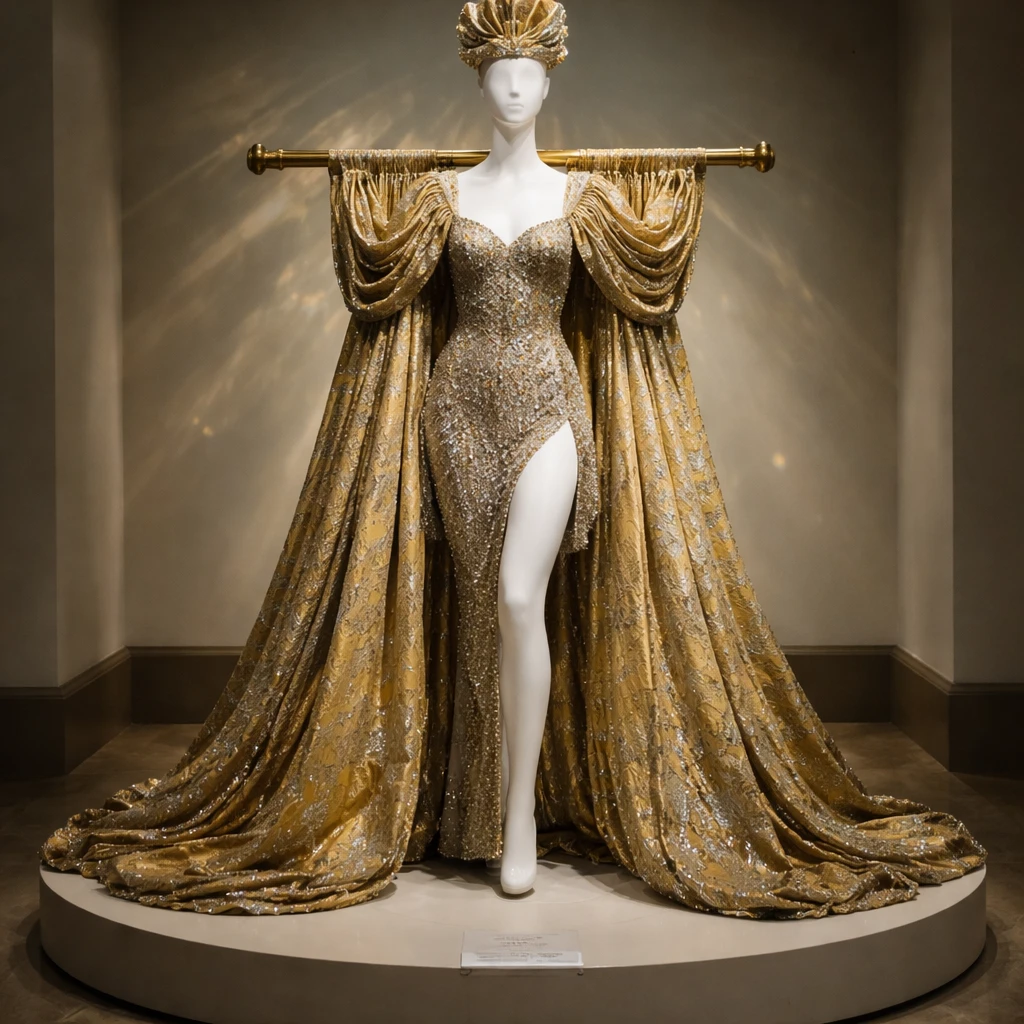
The designer is remembered not only for glamorous eveningwear but for moments of comic invention. During an 11-year association with The Carol Burnett Show, Mackie created what became an enduring piece of pop-culture memorabilia - the so-called "curtain dress." That costume, worn by Carol Burnett in a sketch that parodied the 1939 film classic "Gone with the Wind," incorporated a brass curtain rod balanced on Burnett’s shoulders and a bit of valance fashioned into a hat. The curtain dress is now part of the Smithsonian’s American History Museum collection.
The Instagram post announcing Mackie’s death did not list a cause. Beyond the announcement and the tribute from his team, no additional details about circumstances surrounding his death were provided.
Mackie leaves behind a legacy of highly visible, often theatrical costume design that bridged television, film and licensed merchandise. Institutions such as the Smithsonian’s American History Museum hold pieces that underscore the cultural reach of his work.
For patrons and participants across the fashion, entertainment and collectible sectors, Mackie’s passing marks the loss of a designer whose work helped define several performers’ public images and who translated stagecraft into objects acquired for museum collections and consumer markets.