
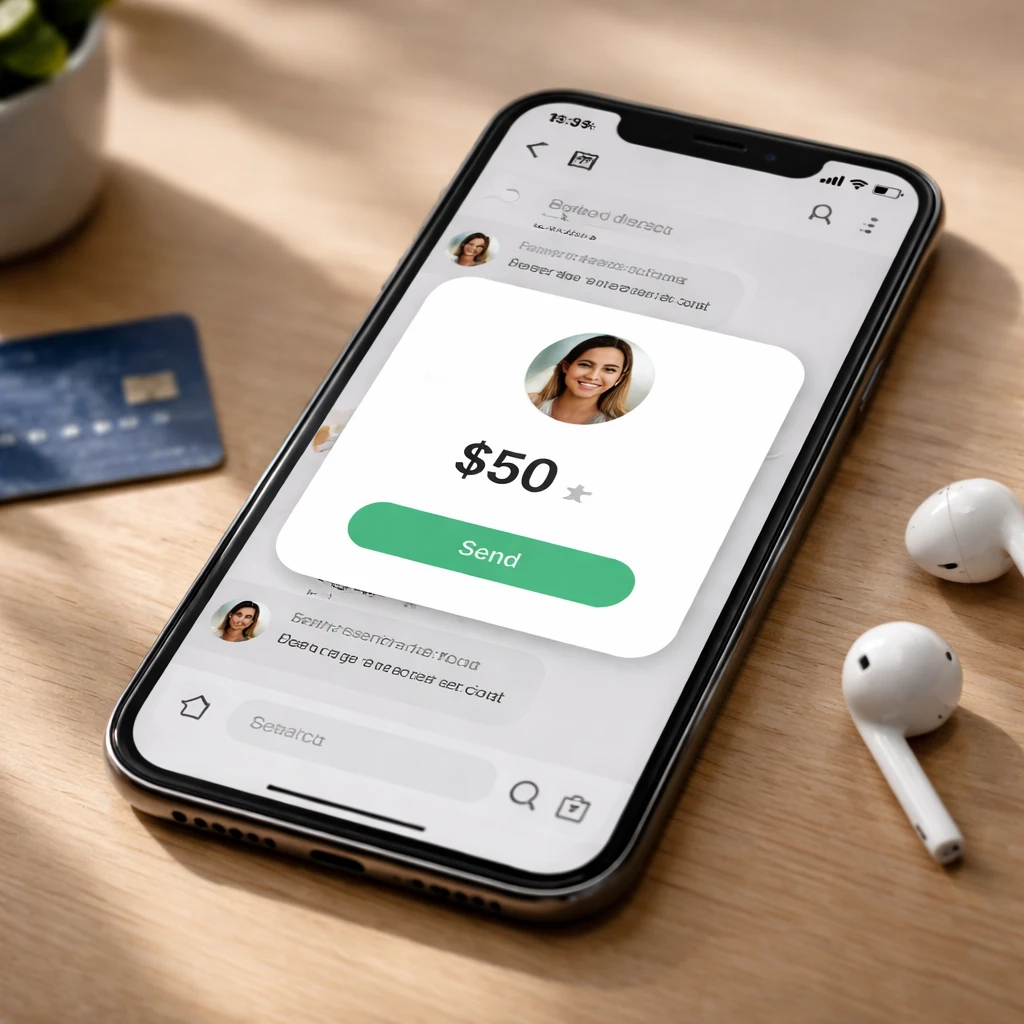
TikTok is developing functionality that would permit peer-to-peer payments inside direct messages, according to code uncovered in the U.S. version of the iPhone app. The planned capability would route transfers through TikTok Pay, the payments system the company already operates in several Southeast Asian markets.
Code snippets discovered in the app indicate a workflow in which recipients would have the ability to tap to accept incoming payments before a specified expiration date. The sender would receive updates on the status of a transfer via push notifications or messages in their inbox. There is also reference in the code to attaching a short message to a payment, a feature similar to what is offered by some existing peer-to-peer services.
TikTok Pay is currently active in Vietnam, Malaysia and Thailand where it is used to process purchases on TikTok Shop. The broader rollout of the peer-to-peer function is not assured; the company doing the engineering work may ultimately decide not to introduce this option. Nonetheless, the presence of these code references indicates the feature is under exploration.
ByteDance Ltd., the Beijing-based parent company that operates TikTok globally and elements of TikTok's U.S. business, has been building and investing in payments technology to support user transactions and engagement within the app. The new direct message payments work appears to be another step in that effort.
Financial markets reacted to the news: shares of some U.S. money-transfer and payments firms, named in related commentary, fell sharply after reports of TikTok’s plans. The market response highlights investor attention on how major social platforms expanding into payments could affect established players.
Separately, other social platforms have also moved into financial services. One platform, rebranded from a former name, has tested creator-facing payment features that let users send funds to one another, according to reporting that described trials of a feature called "X Money."
Summary
TikTok is testing code that would allow users to send money through direct messages using TikTok Pay. The payments system currently operates in three Southeast Asian countries for TikTok Shop. The company may or may not launch the peer-to-peer payment option, but the engineering work signals interest in expanding fintech capabilities. U.S. payments and money-transfer stocks reacted negatively to the news.
Key points
- TikTok is developing peer-to-peer transfers within direct messages, routed through TikTok Pay.
- TikTok Pay operates in Vietnam, Malaysia and Thailand for TikTok Shop transactions.
- Markets moved after the report, with shares of U.S. money transfer companies cited as falling sharply, illustrating potential competitive effects in payments and fintech.
Risks and uncertainties
- Engineering work does not guarantee a public launch; ByteDance may decide not to introduce the feature, creating uncertainty for competitors and users.
- The evidence is derived from code found in the app, which may change before any release, so functionality and user experience remain unclear.
- Market reactions to the prospect of new entrant activity in payments may cause short-term volatility in stocks tied to the payments and money-transfer sector.