
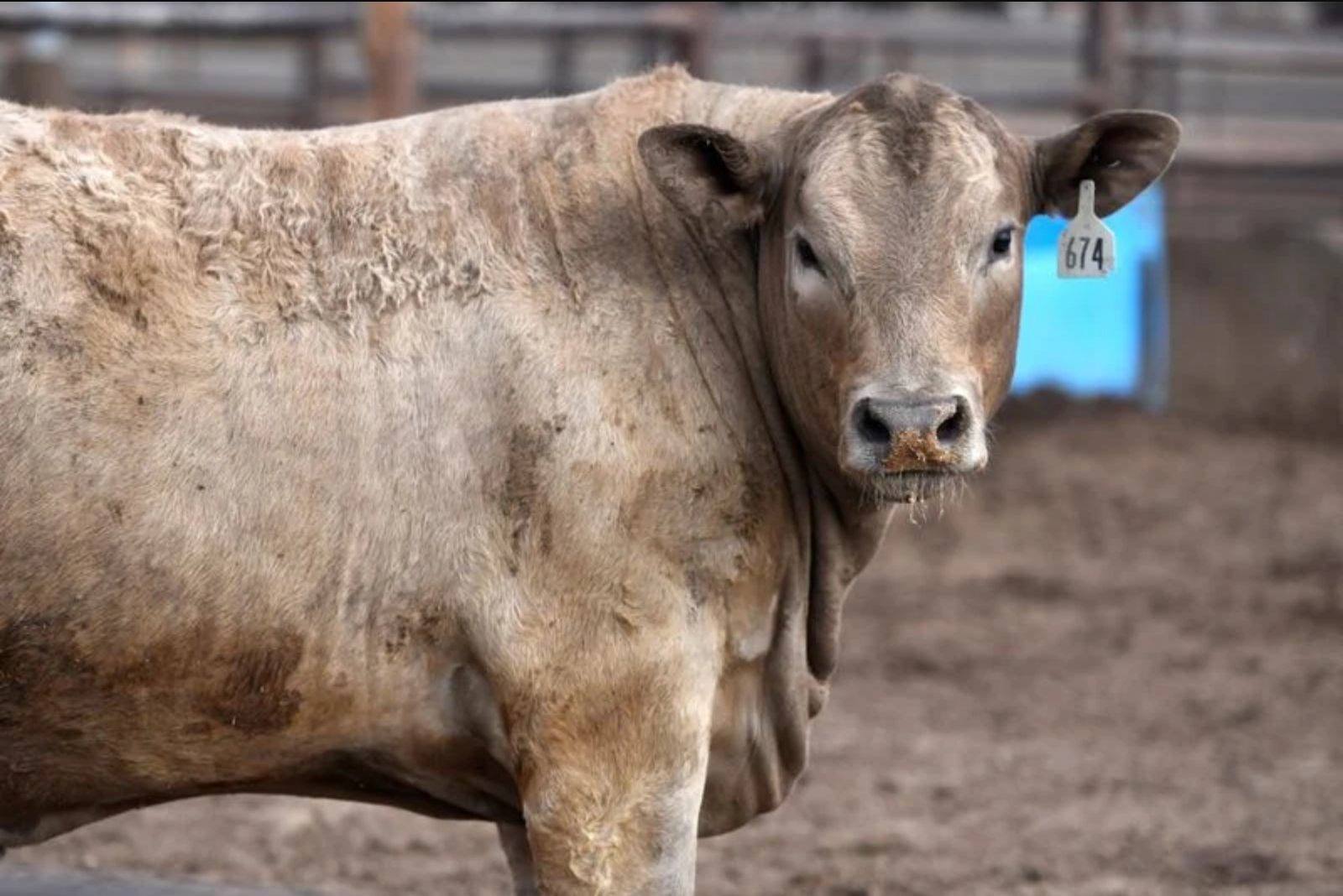
Rows of empty pens now define the landscape at a West Texas feedlot that has operated since Dwight Eisenhower occupied the White House. Lubbock Feeders, a family-owned yard with capacity for up to 40,000 head, has seen its inventory fall to roughly 4,000 animals as the flow of Mexican cattle it once relied on has evaporated.
Owners say the shortage traces to a U.S. decision made about a year ago to stop imports of live Mexican cattle in an effort to contain New World screwworm, a parasitic fly species that Mexican authorities have struggled to eradicate. The authority action, intended to protect the domestic herd, coincided with additional strains on U.S. cattle supplies from drought conditions and changes in trade policy, tightening the market and lifting retail beef prices to multiyear highs.
In a sign of the pest’s reach, the first confirmed U.S. case of screwworm in roughly 60 years was reported this week on a Texas ranch. That development is renewing pressure on a U.S. beef industry already coping with reduced animal inventories, weather-driven herd contraction and other headwinds.
But while the closure has left many U.S. feeding operations underused, the picture is different across the border in northern Mexico. In Coahuila and other border states, producers who formerly shipped live calves into the United States have moved to retain animals longer, expand feedlot capacity and build processing facilities to slaughter and pack beef for export. The shift toward domestic fattening and slaughtering has produced immediate financial upside in Mexico and helped drive a sharp rise in Mexican beef shipments to U.S. buyers in early 2026.
Ranchers such as Enrique García illustrate that pivot. García’s pens have recently been filled with black cattle being fattened for market. He says he has doubled the number of workers on his payroll, extending his operations into both the feeding and processing stages with the specific aim of selling beef into the U.S. market. García estimates his operations have boosted income by roughly 8% to 10% since shifting away from exporting live animals, a change accelerated by the border suspension. Prior to that shift, he used to export about 900 head annually to Kansas.
Across Texas, the loss of Mexican-sourced animals has been felt at multiple points along the supply chain. The United States historically imported more than a million head each year from Mexico, an amount that industry data equates to about 4% to 5% of all cattle sold into U.S. beef production. Those animals were typically moved into U.S. feedlots for finishing and then sent to domestic packing plants, supporting jobs from truck drivers and crop farmers who grew feed to meatpacking lines.
With those live cattle largely staying in Mexico, U.S. feeders and processors report lost volume and shrinking utilization. Kyle Williams, a manager and part owner at Lubbock Feeders, said the migration of feeding and processing activity to Mexico is yielding work, labor and economic opportunity there instead of in the United States. He argued that the existing protocols - inspections and treatments at ports of entry - have been established and both sides have conducted training, and said the U.S. could allow cattle movement to resume safely.
The U.S. Department of Agriculture and federal officials have framed the border suspension as a necessary measure to protect the U.S. herd. New World screwworm is a parasitic fly whose females lay eggs in open wounds of warm-blooded animals; when larvae hatch they feed on living tissue but can be treated if caught early. In previous epidemics, U.S. authorities used a campaign that released sterile flies over hotspots from a production facility in Texas - a program officials are said to be working to resurrect. Agriculture officials have noted that ending a prior epidemic required a decades-long effort, and have argued that restricting cattle movement can slow spread.
For Lubbock Feeders the economics of sourcing animals domestically have become unfavorable. The feedlot stopped bringing in any cattle months ago because the high prices demanded for U.S.-sourced animals made the business uneconomic; management estimated it could lose more than $200 for each head purchased domestically and finished at the yard. The result is markedly lighter operational activity.
Bobby Swift, the feedlot’s 57-year-old assistant manager and a three-decade employee whose father and grandfather also worked there, now reports arriving later for shifts and spending as little as 22 minutes on his rounds because so few animals remain to check. Swift described a mental toll that accompanies the slowdown at the yard.
On a broader scale, U.S. cattle numbers have fallen to what industry figures describe as a 75-year low. That contraction has pushed retail beef prices to record highs this year, creating an affordability issue for consumers in an environment where energy costs and other bills are also elevated. Against this backdrop, political pressure has mounted.
The White House and the president have taken visible steps focused on prices and market structure. Those measures include urging cattle producers to reduce prices, directing the Justice Department to probe meatpackers and allowing limited low-tariff imports of beef from Argentina. Industry participants have said the decision to permit low-tariff Argentine beef complicated efforts to convince U.S. producers to rebuild herds by reducing the near-term upside of higher domestic prices, and that these imports have not materially eased consumer costs.
Rebuilding the U.S. herd is a slow process. Producers say expanding cow numbers and producing more finished cattle can take roughly two years, a horizon that delays the potential easing of retail prices. Some producers are reluctant to expand given drought risk and revenue uncertainty; in Tulia, Texas - about 72 miles north of Lubbock - farmer Eddie Womack said severe dry conditions have left him without crops to feed animals and forced him to buy feed at higher prices. Womack warned he might need to cut his herd from roughly 600 cows to about 200 if rains do not arrive this summer.
U.S. meatpackers have also felt the squeeze. Executives at major processors have said they need more cattle to run plants efficiently and that resuming Mexican live-cattle imports would have the most immediate impact on supplies over a roughly 12- to 18-month horizon. Tyson Foods reported steep losses in its U.S. beef business this year as the cost of cattle rose faster than the company could pass through higher beef prices; the firm also cut operations at a large Amarillo, Texas, beef plant and permanently closed a sizable plant in Nebraska as part of measures to maintain competitiveness. Rival packers JBS and Cargill have faced rare labor disputes at U.S. beef plants, further complicating operations.
Industry voices have publicly urged federal authorities to reopen the border. Darin Parker, president of global meat distributor PMI Foods, called for USDA to resume live-cattle imports, arguing that protecting the domestic beef industry requires restoring the flow of animals and the associated economic activity.
Meanwhile, Mexican officials and industry groups say the border curbs have compelled structural change in their domestic sector and ultimately strengthened it. Rogelio Perez of Mexico’s National Confederation of Livestock Organizations said the closure forced the industry to adapt and that profits from producing meat now remain in Mexico, with consequential impacts on the American industry that previously did much of the finishing and slaughtering.
Coahuila state officials described active efforts to scale federally and U.S.-certified slaughter and packing capacity with federal support. Isaias Montemayor, the state’s deputy minister of livestock and rural infrastructure, said producers who add value by fattening and processing animals can earn profits equal to or greater than the returns from exporting live calves. That view helps explain why Mexico’s main meat producers council reported a 23% surge in beef exports to the United States during the first four months of 2026, and why the council has set a target to double shipments next year.
Officials in Washington have emphasized containment and mitigation efforts. U.S. Agriculture Secretary Brooke Rollins has said the suspension of Mexican-cattle imports successfully delayed screwworm’s incursion into the United States and noted the long-term work required to eradicate earlier epidemics. Rollins said ports of entry would remain closed to Mexican cattle until further notice. The White House referred detailed questions to USDA, which issued a statement that federal, state and local efforts are focused on containing the pest and implementing protocols.
Mexican industry representatives say they view those U.S. actions as a catalyst for growth in domestic feedlot and processing investment. For producers such as García, the current outlook is to route meat into U.S. markets as boxed beef rather than exporting live animals. "In the end, we are going to get to the United States just the same, but now with meat," he said.
The shift has implications across sectors. Crop farmers who supply feed, truckers who haul animals, feedlot labor forces and meatpackers in both countries face shifting demand for services. In the U.S., reduced throughput in feedyards and packing plants has meant fewer jobs and idle capacity; in Mexico, new investment in finishing and packing can create employment and capture a greater share of value within the domestic supply chain.
For yards such as Lubbock Feeders, the future depends on policy decisions, disease control outcomes and the pace of herd rebuilding among U.S. producers. Management notes that protocols and inspection regimes exist to allow safe movement of animals, but federal officials currently prioritize containment. With the first U.S. screwworm case in six decades now confirmed and Mexican authorities reporting significant animal infestations, the border is likely to remain closed to live Mexican cattle for the foreseeable future.
Context and implications
The closure of live-cattle imports from Mexico has produced a clear bifurcation: U.S. feeding and packing capacity has softened as animals are retained and processed in Mexico, while Mexican producers are building out fattening and slaughter capacity to supply beef to U.S. consumers. The balance of economic gains and losses is distributed unevenly across regions and sectors, with Mexican feedlot and packing investment benefiting from retained value and U.S. operations contending with reduced throughput and higher input costs.
The pace at which the U.S. herd can be rebuilt is governed by biological and economic timelines - producers estimate about two years to materially increase finished-cattle supplies - and by ongoing weather and profitability concerns that influence herd expansion decisions. Until cattle numbers in the United States recover, consumers should expect elevated retail beef prices and continued pressure on meatpackers to secure sufficient cattle supplies.
Reporting draws on industry statements and comments from livestock managers, producers and government officials describing the commercial and operational impacts of the border closure and the screwworm outbreak.