
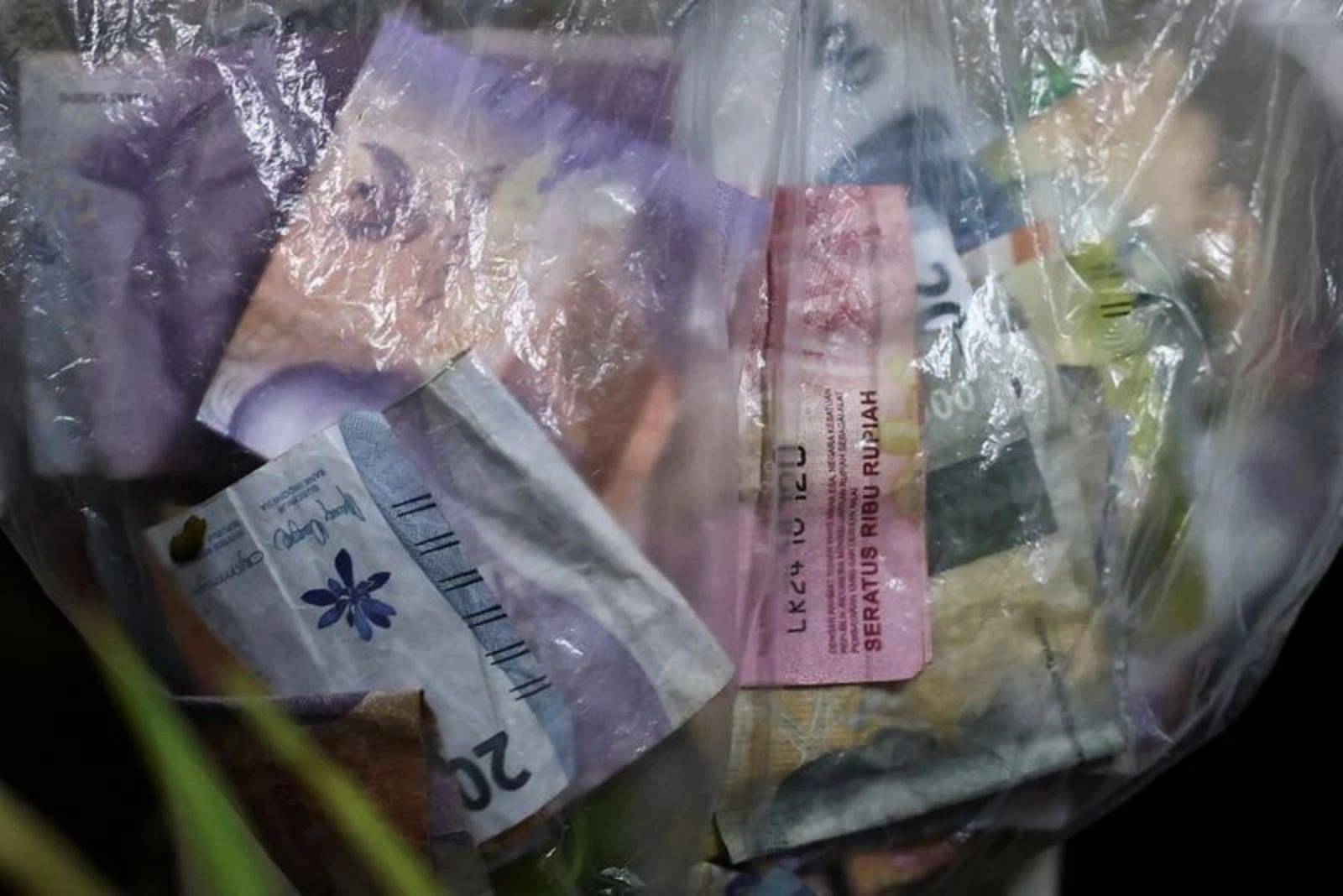
Bank Indonesia and the finance ministry said on Saturday they will take steps to boost yields on Indonesian assets to attract portfolio inflows and shore up the rupiah, which has weakened to record lows in recent weeks amid heavy capital flight.
Governor Perry Warjiyo, speaking at a press conference held at the parliament building, said the two institutions "will increase the attractiveness of yields" on Indonesian assets "so that portfolio inflows return" to the country. He did not provide specifics on how this would be implemented and declined to elaborate further when taking questions.
The move follows a period of pronounced market stress for Southeast Asia's largest economy. The stock market has plunged by more than 30% this year and the rupiah has weakened significantly, developments that have been linked to investor concerns about President Prabowo Subianto's large spending plans and swelling fuel subsidies that have risen due to the Iran war. Foreign holdings of Indonesian bonds have fallen to levels close to a two-decade low.
Market participants have also flagged worries about the central bank's independence, disclosure standards at the stock exchange, and Prabowo's proposal to centralise exports of certain major commodities. In response to currency depreciation, Bank Indonesia has intensified foreign exchange interventions to defend the rupiah. Those interventions have been paired with purchases of long-dated government bonds in the secondary market as part of broader liquidity management operations.
Bank Indonesia's bond buying in the secondary market is typically intended to temper rises in long-term yields, which in turn helps manage the government's borrowing costs. The finance ministry separately launched its own bond market operations last month, temporarily repurchasing bonds to prevent yields from climbing.
It was not clear from Saturday's announcement what direct effects the agreement would have on either monetary operations or the finance ministry's planned bond auctions. Secondary-market and primary issuance mechanics were not described by officials.
At a recent auction, one-year Bank Indonesia bonds known as SRBI were sold at a 7.25% weighted average yield, a level that exceeded the government's 10-year bond yield of 6.902%. To help the government manage interest expenses, Warjiyo said the central bank will raise the rate it pays on cash the government deposits at Bank Indonesia, and that this change should reduce potential concerns from credit rating agencies.
Finance Minister Purbaya, who joined Warjiyo at the conference alongside Prabowo's spokesperson and the deputy speaker of parliament, said he hoped the closer coordination between fiscal and monetary authorities would help restore investor confidence.
Bank Indonesia raised its policy interest rate by a larger-than-expected 50 basis points at a policy review in May as part of efforts to support the currency.
Key points
- The central bank and finance ministry agreed to boost yields on domestic assets to attract portfolio inflows and support the rupiah.
- Indonesia has experienced heavy capital outflows, a stock market decline of more than 30%, and a near two-decade low in foreign holdings of government bonds.
- Bank Indonesia has increased foreign exchange interventions and bought long-dated government bonds; the finance ministry has also temporarily repurchased bonds to limit yield increases.
Risks and uncertainties
- Details of the yield-increase plan were not disclosed - it is unclear how monetary operations or bond auctions will be affected, creating execution risk for markets.
- Persisting concerns about central bank autonomy, stock market transparency, and plans to centralise commodity exports could continue to undermine investor confidence.
- Elevated government spending plans and larger fuel subsidies tied to the Iran war may sustain pressure on the rupiah and domestic markets, affecting government borrowing costs and market stability.
The measures announced on Saturday indicate a coordinated fiscal-monetary response to acute market pressure, but scarce operational detail leaves open significant uncertainty about timing and effectiveness. Market participants will likely watch upcoming auctions, secondary-market activity, and any formal changes in rates paid on government deposits at Bank Indonesia for clearer signals on implementation.