
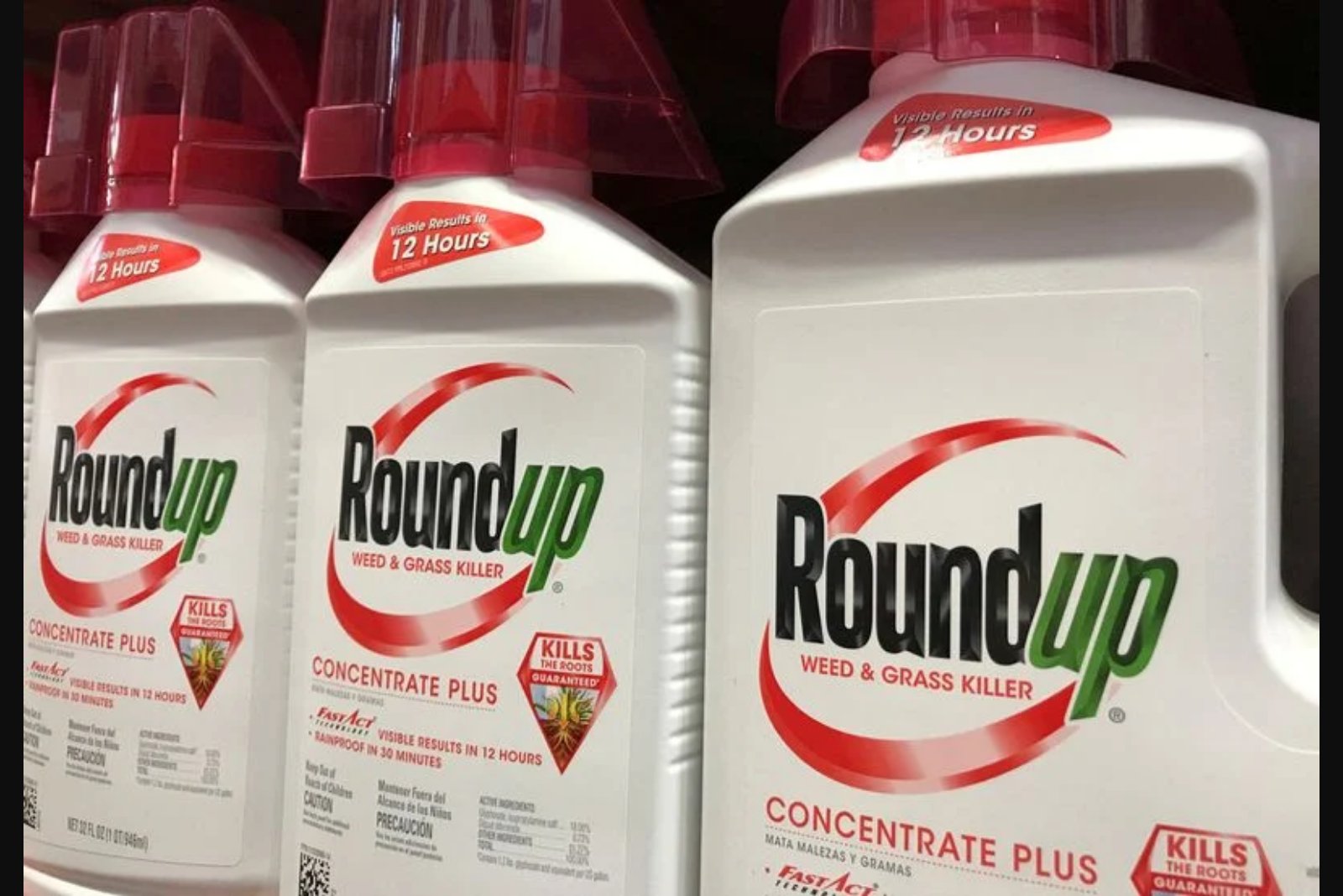
Chicago, June 2 - Bayer said on Tuesday that it has no plans to spin off Monsanto, even as it confronts a large volume of litigation tied to its Roundup herbicide.
Speaking on the sidelines of the Wall Street Journal’s Global Food Forum, a company representative confirmed that while a corporate restructuring could be considered in some circumstances, such a move is not on the immediate agenda. Instead, the company is concentrating on boosting operational performance and managing the wave of lawsuits related to its glyphosate-based product.
Onstage at the forum, Chief Executive Bill Anderson underscored the stakes the litigation poses for Bayer’s role in producing glyphosate in the United States. "If there’s not a solution to the litigation problem on glyphosate, there won’t be American-produced glyphosate," Anderson said.
The company is currently the only domestic producer of glyphosate in the U.S., although the agricultural sector also sources substantial quantities of generic glyphosate from China. Bayer says roughly 100,000 plaintiffs are involved in suits alleging that exposure to Roundup’s active ingredient caused cancer and that the company did not adequately warn consumers of that risk.
Bayer acquired Roundup when it purchased Monsanto for $63 billion in 2018, inheriting the product as well as the litigation that has since followed. To address its legal exposure, the company has deployed a multi-pronged approach: proposing a broad settlement, contesting verdicts through appeals up to the Supreme Court, and supporting state legislative measures intended to alter the liability landscape for pesticide manufacturers.
Among the legal actions currently in play, Bayer is appealing a jury verdict from a Missouri state court that awarded $1.25 million to a plaintiff who said he developed non-Hodgkin lymphoma after prolonged Roundup exposure. Separately, the company has put forward a proposed $7.25 billion settlement designed to resolve the bulk of pending lawsuits, though some plaintiffs have objected to that agreement.
At the state level, Bayer has backed roughly a dozen bills aimed at limiting the ability of people to sue pesticide makers over claims that their products caused cancer or other illnesses. Those measures have only succeeded so far in a limited number of states, with North Dakota, Kentucky and Georgia specifically cited as places where such bills have passed.
On the federal front, Bayer experienced a setback in April when the House of Representatives approved a version of the Farm Bill that removed a provision Bayer supported which would have offered some legal protection to pesticide manufacturers. The Senate has not yet taken up that bill.
For now, company officials emphasize improving internal performance while continuing legal and legislative efforts to limit liability. They say restructuring is not the current course of action, even as they acknowledge the litigation presents a direct threat to domestic glyphosate production and a significant corporate challenge.
Contextual note - The discussion around restructuring, litigation, settlements, appeals and state and federal legislative efforts reflects the company’s current strategy to manage the legal and operational implications tied to Roundup and glyphosate production.