
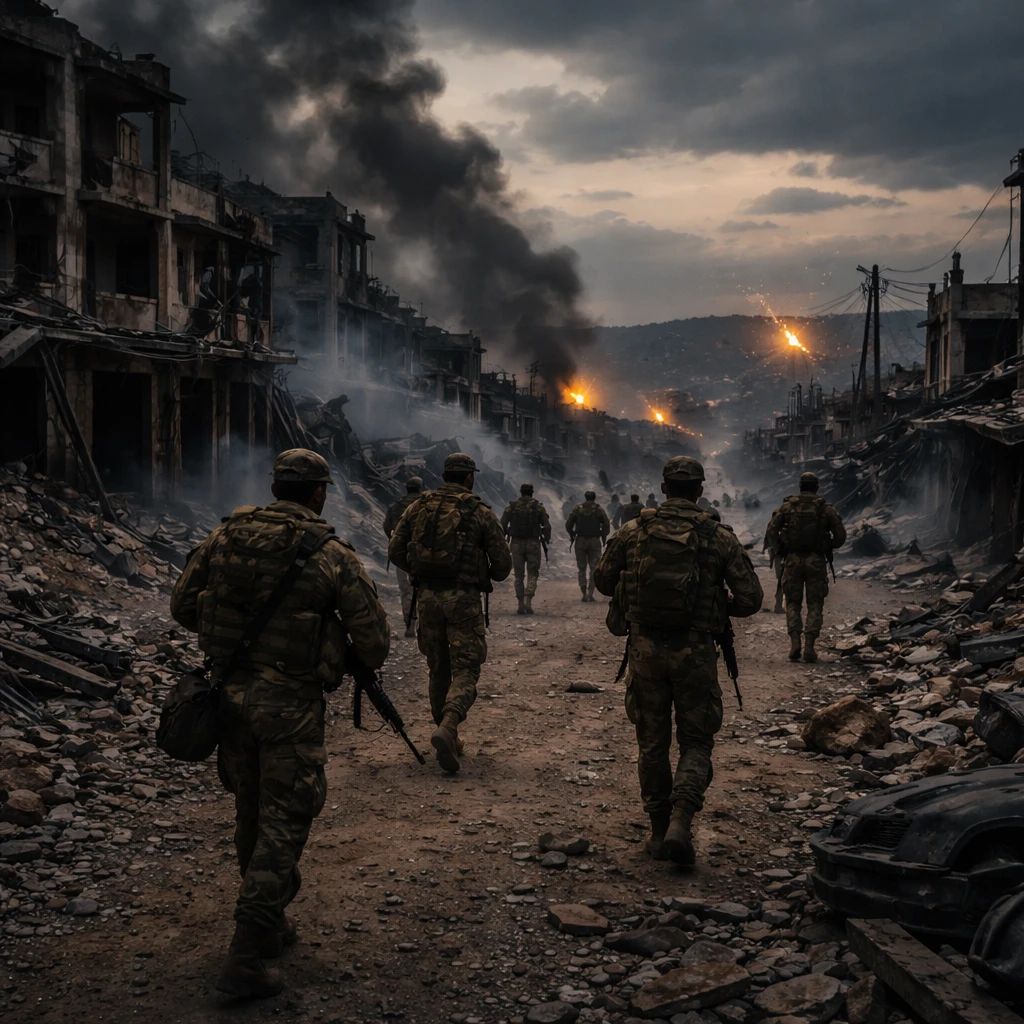
Hezbollah has formally rejected a U.S.-brokered ceasefire between Israel and Lebanon, signaling fresh obstacles to the wider peace negotiations between Washington and Tehran. The rejection comes amid active fighting in southern Lebanon and renewed movement of Lebanese forces into contested areas.
Tehran - aligned with Hezbollah - has made a cessation of hostilities in Lebanon one of its central demands in talks with the United States. The current conflict began to widen after what officials described as a joint U.S.-Israeli assault on Iran in late February, and has since expanded into other parts of the Middle East, including Lebanon.
In a statement reported by the Associated Press, Hezbollah deputy leader Naim Kassem denounced the agreement reached earlier this week as "absurd, humiliating, and insulting." Kassem said Hezbollah would not cease its attacks until Israel has fully withdrawn its forces from Lebanese territory, according to the AP report.
The Wall Street Journal cited Kassem's characterization of the Israel-Lebanon pact as, in his words, a "road map for the annihilation of a section of the Lebanese people and the enslavement of the rest." U.S. State Department commentary on the agreement had described it as conditional on Hezbollah halting strikes on Israeli forces and withdrawing from the contested southern Lebanon area.
The Associated Press also reported that Hezbollah's announcement coincided with Israeli strikes that killed at least four people. State media cited by the AP said Lebanese troops moved into parts of southern Lebanon on Thursday - zones that have been the scene of intense fighting for months.
Despite those troop movements, Israel has indicated it will continue offensive operations in southern Lebanon. The Wall Street Journal quoted Israeli Defense Minister Israel Katz as saying that efforts to destroy what Israel calls militant infrastructure will proceed.
Together, these developments have left the actual status of the Israel-Lebanon ceasefire unclear. The Wall Street Journal also reported a reported rift between U.S. President Donald Trump and Israeli Prime Minister Benjamin Netanyahu over Israel's push to target Hezbollah positions in Beirut. Iran has warned it would halt peace discussions with Washington if Israel were to strike the Lebanese capital.
Market indicators have reflected the geopolitical uncertainty. Brent crude futures edged lower on Friday but were positioned to record their first weekly gain in three weeks. Oil prices have risen since the onset of the Iran conflict, with much of the increase attributed to disruptions around the Strait of Hormuz, which has been effectively closed to tanker traffic for months, constraining global energy flows.
Key Points
- Hezbollah rejected a U.S.-brokered Israel-Lebanon ceasefire, insisting on a full Israeli withdrawal before halting attacks.
- Tehran has made a cessation of fighting in Lebanon a key demand in negotiations with Washington; continued hostilities complicate those talks.
- Geopolitical tensions have supported higher oil prices, with Brent on track for its first weekly gain in three weeks amid Strait of Hormuz disruptions.
Risks and Uncertainties
- Ceasefire ambiguity - Ongoing combat and conflicting political positions leave the truce's status uncertain, affecting regional security and defense-related sectors.
- Diplomatic setbacks - Iran's warning to suspend talks if Lebanon's capital is targeted injects diplomatic risk that could stall a U.S.-Iran agreement and affect markets sensitive to Middle East stability.
- Energy supply constraints - Continued closure of the Strait of Hormuz and increased military activity risk further pressure on oil markets and energy-dependent industries.