
The United States on Friday said it would reconsider its role in Bosnia and Herzegovina after an international body supervising the country’s post-war peace framework failed to coalesce around the U.S.-backed candidate for the next High Representative.
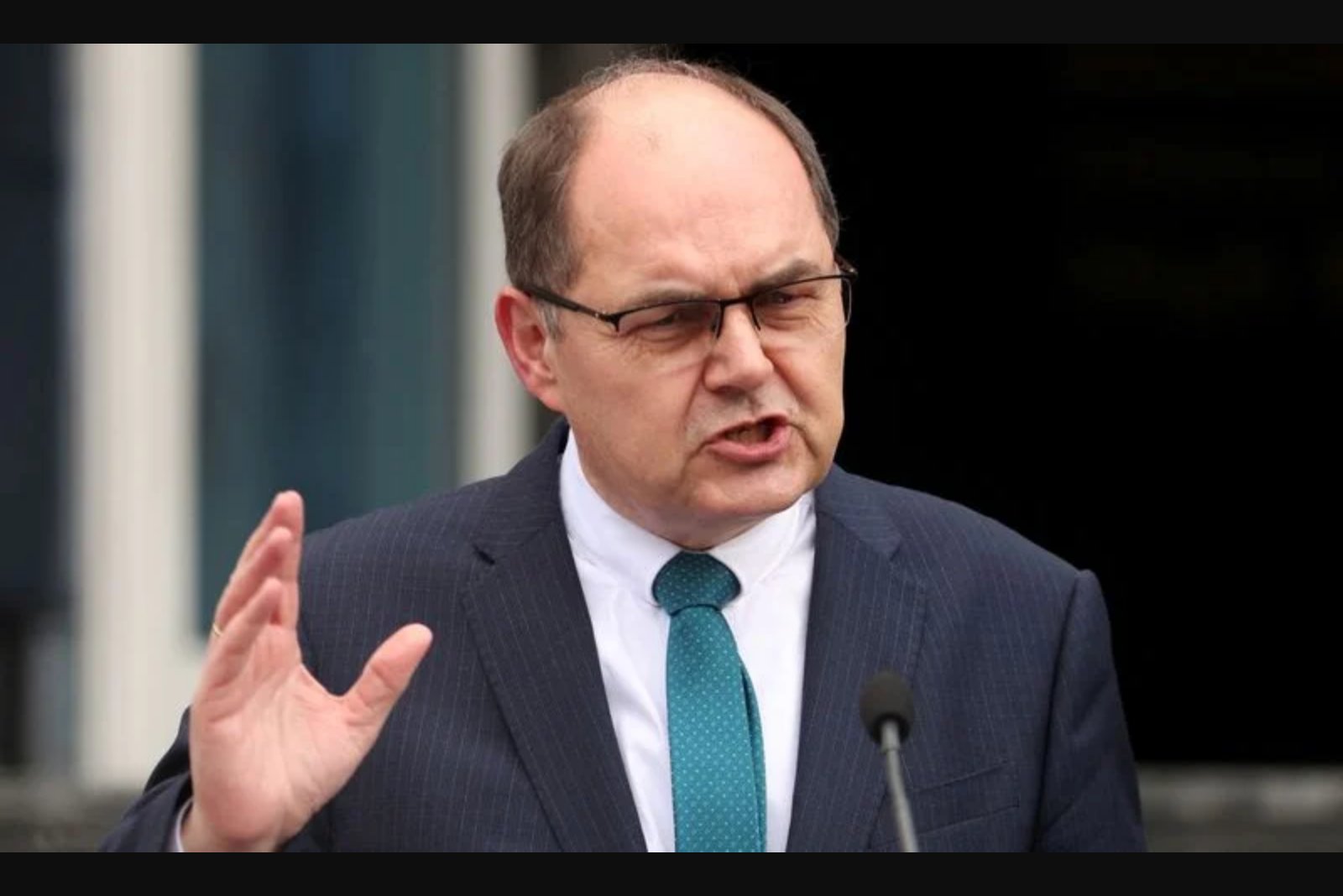
The Peace Implementation Council (PIC) - the informal body charged with overseeing implementation of the Dayton accords - did not reach consensus on a successor to Germany’s Christian Schmidt during its meeting on Thursday. Schmidt abruptly resigned last month from the Office of the High Representative (OHR), citing what he described as U.S. pressure.
A U.S. State Department spokesperson said in a statement that, "European indecisiveness, and the PIC’s abdication of its own duty toward BiH, is forcing the United States to reconsider our role in the current international presence in Bosnia and Herzegovina." The statement added that the U.S. was disappointed the European inability to agree on a European candidate blocked the PIC from electing a new High Representative.
Schmidt, who left the OHR in May, said after the meeting that consultations over his replacement will continue in the coming days. The State Department has previously declared that the "U.S.-led nation-building era has passed" and made clear it favored an envoy with a more limited mandate.
In line with that stance, Washington publicly supported the appointment of seasoned Italian diplomat Antonio Zanardi Landi. The State Department noted that "the U.S. delegation strove to achieve a consensus around a commonly shared vision and Italy’s well-qualified candidate, the experienced diplomat Ambassador Antonio Zanardi Landi."
According to unconfirmed reports, however, most European countries were backing French diplomat Rene Troccaz as Schmidt’s successor, reflecting a split between the U.S. and many European PIC members.
Observers and officials point out that the disagreement comes at a sensitive moment for Bosnia, which remains deeply divided along ethnic lines. The country has long received strong backing from Washington, but U.S. policy signals in recent months have shifted toward commercial frameworks, emphasizing "mutually beneficial partnerships," including through energy projects, as set out in a May report on the Western Balkans released by the State Department.
An unnamed U.S.-based analyst characterized the standoff as evidence that the United States is either challenging the European Union’s approach or asserting itself as an independent influence in the region rather than participating in what had been a largely unified international strategy since the Dayton accords.
The immediate outcome of the PIC meeting was a continuation of consultations. How long those discussions will take, and whether they will produce an agreed candidate acceptable to both the U.S. and the majority of European members, remains uncertain.