
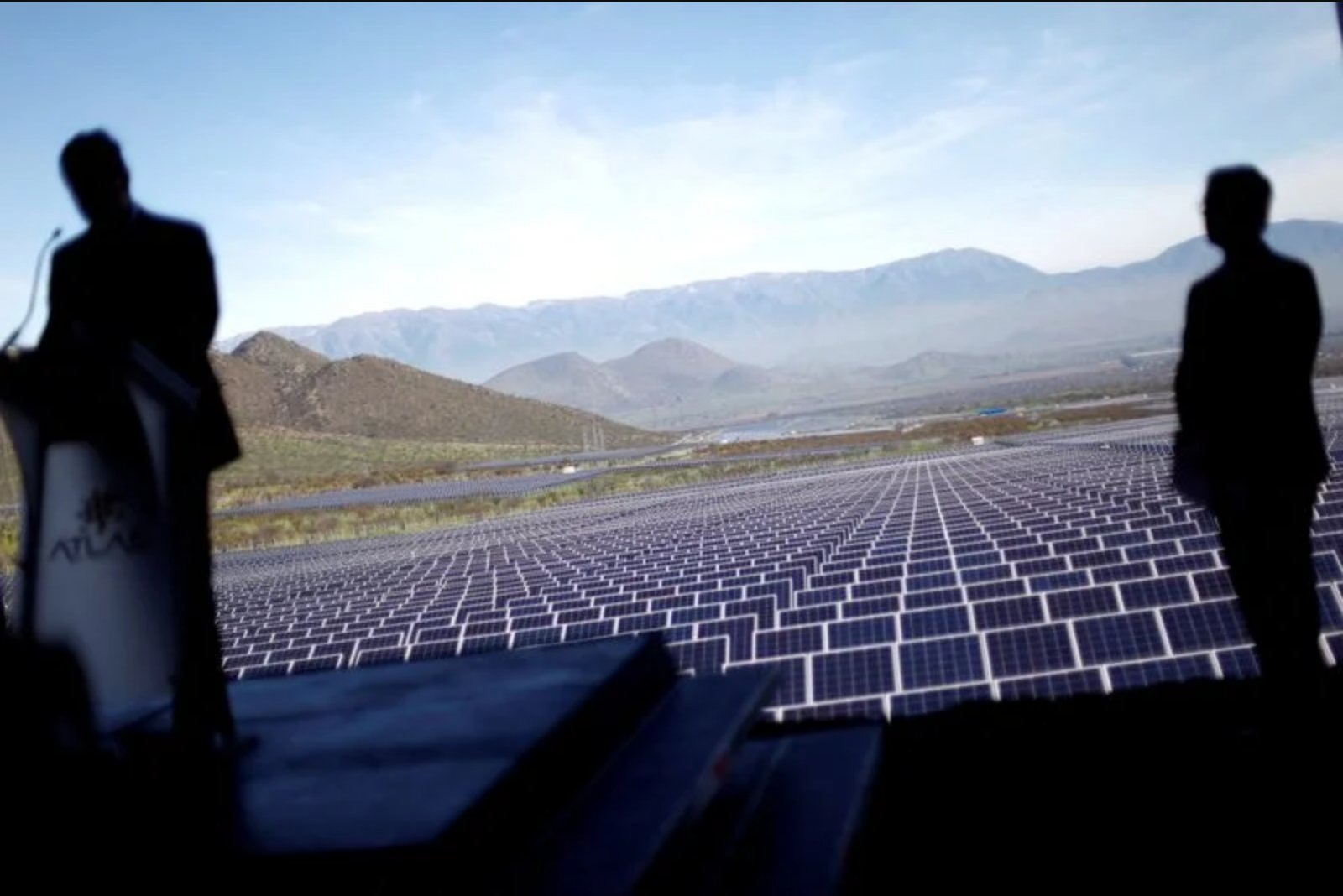
Atlas Renewable Energy, one of the region's largest clean-power producers, has halted about $1 billion worth of new projects in Brazil after repeated rejections of its renewable output by the national grid operator, the company's chief executive said. The projects were planned last year and this year but were stopped as system-level limits resulted in frequent curtailments.
Speaking at the SNEC photovoltaic conference in Shanghai, the CEO said curtailment on Atlas's existing fleet reached levels as high as 15%-25% in the June quarter. He also said the company has put at least 1.5 gigawatts of planned capacity on hold - projects for which construction had been intended to begin.
Curtailment, in this context, means solar or wind output that could have been generated but was pre-emptively turned away because the grid reached its limits. The CEO noted that while governments have become more eager to add renewables - partly to shield energy systems from supply disruptions tied to geopolitical events - curtailment remains a substantial impediment across several markets, including Australia, Japan, India and Chile, as well as Brazil.
How market rules increase pain for generators
Market design amplifies the financial effects of curtailment. When the grid operator rejects renewable production, companies may still be obliged to meet contractual supply commitments by purchasing replacement power. That replacement energy can cost more than the price at which the generators originally sold their output, squeezing margins.
"You’re being curtailed, but you’re buying energy at 2x the cost ... that’s what’s been problematic."
The CEO described that dynamic as a driver behind Atlas's decision to pause new investments, calling attention to the mismatch between abundant solar capacity additions and the grid's ability to absorb that generation.
Credit concerns and projected trajectory
Credit analysts have reacted to the stress on Brazilian renewable project finances. Fitch Ratings assigned negative outlooks to 11 Brazilian renewable project financings, saying curtailment would likely continue until 2030 and would affect cash flow, debt servicing and liquidity. In the projects rated by Fitch, average curtailment is projected to surge to 7%-25% in 2025 from 6%-12% in 2024.
The Atlas CEO said he does not expect the current market design to be changed before 2028, with elections due later this year. He does, however, expect curtailments to moderate gradually over time as the pace of new solar capacity additions slows and demand continues to grow.
Operational consequences and capacity dynamics
Executives and operators have responded to the operational strain by scaling back new activity and, in some cases, reducing headcount. The CEO emphasized that the underlying issue extends beyond transmission constraints: an overbuild of solar capacity means curtailment would persist even if transmission bottlenecks were resolved.
He warned that absent changes to the market framework and a rebalancing of supply growth, developers may continue to delay or cancel projects, reducing near-term investment flows into Brazil's wind and solar sector.
Implications
The pause of roughly $1 billion in planned investment and the shelving of at least 1.5 gigawatts of projects reflect a confluence of technical grid limits and market mechanics that shift economic pain onto generators. Until market rules or buildout patterns change, curtailment is likely to remain a material constraint on project economics and investment decisions in Brazil’s renewables market.