
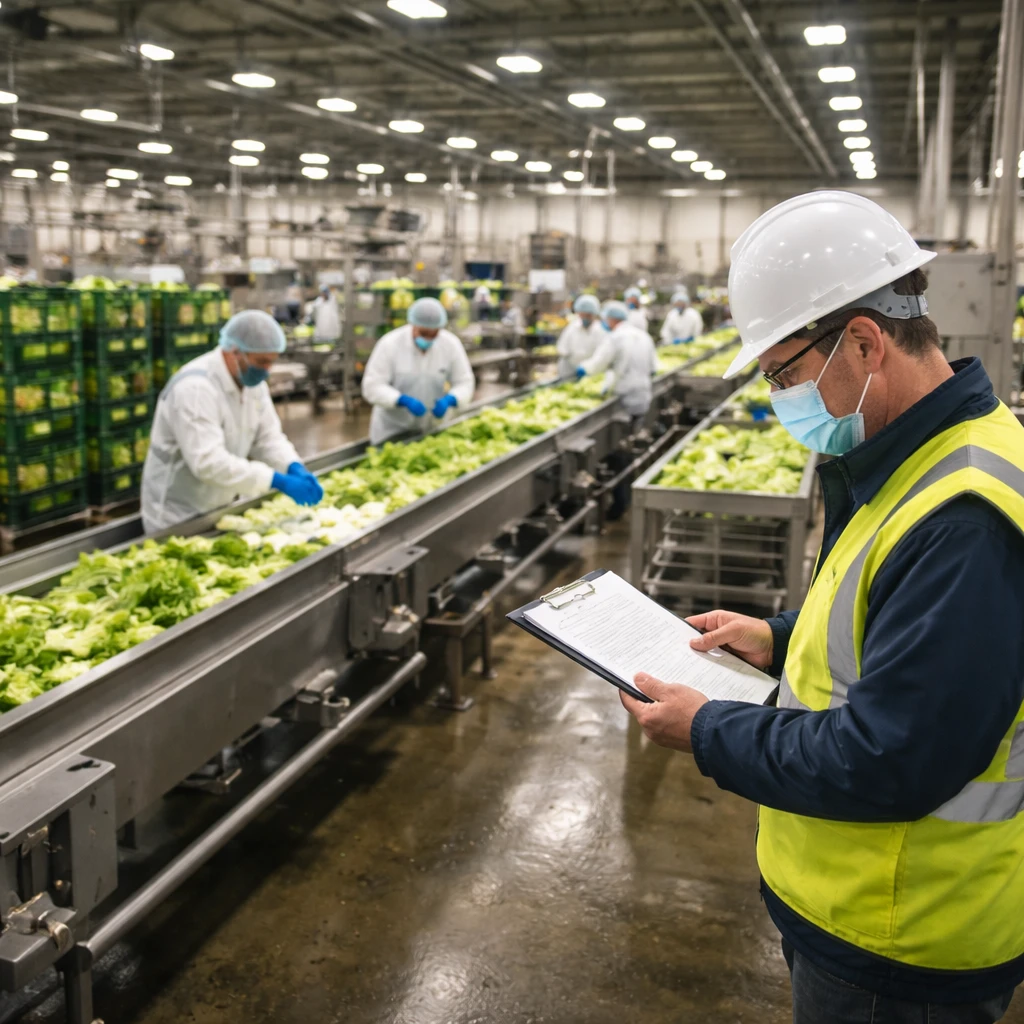
Taylor Farms, a major supplier of fresh produce, repeatedly failed to electronically submit required workplace injury tallies for many of its U.S. operations in recent years, federal inspection documents show. The omissions affect a number of facilities where workers experienced fatal or otherwise severe injuries, according to an examination of Occupational Safety and Health Administration (OSHA) records covering 2021 through 2025.
The records indicate that at least 17 Taylor Farms sites met the criteria for annual reporting based on employee counts and the nature of their work during the five-year period. Yet the filings were intermittent: only five to seven of the company’s facilities submitted the annual injury report within the year following the reporting period, and reporting rates across the sites were well below an industry average of 78 percent derived from 2023 census numbers and the latest OSHA data.
Workplace watchdogs say the missing data make it difficult for the public and regulators to evaluate the company’s safety performance. OSHA has emphasized in rulemaking documents and public materials that the electronic submission of the injury and illness logs is important for prioritizing enforcement and for public access to workplace risk information.
North America’s largest salad producer is also at the center of a U.S. cyclospora outbreak that U.S. authorities have linked to lettuce supplied by Taylor Farms from Mexico. The outbreak has been associated with two deaths and thousands of illnesses nationwide.
Company response
In a statement responding to questions about the reporting shortfalls, Taylor Farms said employee safety is a core priority across its 30 facilities and 25,000 team members, and that gaps in the electronic submission of the 300A log summary forms have been addressed. The company noted it has recently invested in new workplace safety reporting software. Taylor Farms did not provide the injury logs themselves or additional details about the content of those logs in response to follow-up requests.
Regulatory actions and citations
Since 2021, OSHA and state safety regulators have issued nearly $1.8 million in citations to Taylor Farms. The citations relate to machine hazards, amputations, and failures to properly train employees, many of whom are employed through temporary staffing agencies. OSHA requires most worksites in higher-hazard industries - a category that includes farms, vegetable processing plants and warehouses - to submit injury tallies and other details by March 2 each year. OSHA inspection records show that virtually all Taylor Farms worksites fall within that higher-hazard list.
OSHA has statutory authority to fine companies for reporting violations, with penalties of up to $16,550 per violation. The agency did not provide a response when asked whether Taylor Farms’ low rate of submissions reflected enforcement gaps following repeated failures to file the logs.
Examples of serious incidents
OSHA records detail several serious events at Taylor Farms facilities. A worker at the company’s vegetable processing plant in Swedesboro, New Jersey, died after being injured while cleaning equipment used to scald produce in hot water. OSHA later issued penalties exceeding $1 million, characterizing the violations as "willful and repeated," according to a Labor Department news release dated November, 2025. Taylor Farms has publicly disputed those citations, though it has not disclosed the basis for the dispute nor explained why it contested the penalties when asked.
Another plant cited in the inspection records is Taylor Farms’ processing facility in North Kingstown, Rhode Island. That facility is not shown to have recent injury logs in the publicly available records and was the site of an ammonia leak in November that hospitalized 13 workers. OSHA proposed roughly $23,000 in citations related to the incident; Taylor Farms has disputed those proposed penalties as well.
Since 2016, Taylor Farms has contested more than half of the citations it has received from OSHA. By contrast, the food manufacturing sector overall typically disputes somewhat less than one quarter of issued citations, according to the review of OSHA records.
Stakeholder perspectives
Advocates for worker safety stress the importance of complete and timely reporting. Jessica Martinez, executive director of the National Council for Occupational Safety and Health, described the annual logs as "an essential tool" for regulators and the public to detect and prevent workplace hazards, adding that such records are more than "just paperwork."
Taylor Farms’ statement framed the company’s commitments to safety while acknowledging prior gaps in electronic submissions. The company did not reply to additional requests for the underlying injury logs or to questions seeking specifics about why many logs were missing from public filings.
Context on industry risk
Perishable food manufacturers routinely work with heavy machinery and present higher injury rates than private industry overall, according to U.S. Bureau of Labor Statistics data cited in regulatory filings. The combination of heavy equipment, production lines and the use of temporary staffing creates a workplace environment where machine-related hazards and training shortfalls can lead to serious harm if controls lapse.
Gaps in public reporting and ongoing disputes over citations leave uncertainties about how effectively those hazards are being managed at several Taylor Farms facilities. Regulators, worker-safety groups and members of the public will face limits in assessing safety trends until the missing logs are made available or the company provides more detailed disclosures.
Summary
Federal records show Taylor Farms often did not file required electronic injury logs for numerous U.S. facilities from 2021 through 2025, including sites with fatal or serious injuries. Regulators have issued nearly $1.8 million in citations over machine hazards, amputations and training failures. Taylor Farms says it has addressed submission gaps and invested in new reporting software but has not provided the missing logs or detailed explanations for disputed penalties.