
The Federal Aviation Administration released a final airworthiness directive today that mandates targeted inspections of certain Boeing Co. 787 Dreamliner airplanes after a company investigation identified manufacturing gaps exceeding engineering specifications.
According to the directive, Boeing's review concluded that shim gaps may have exceeded engineering allowances at the lower side of body splice plates that are common to the lower outboard wing skins. The FAA said those excessive gaps, combined with high pull up forces on the components, could allow fatigue cracks to develop at the fastener holes.
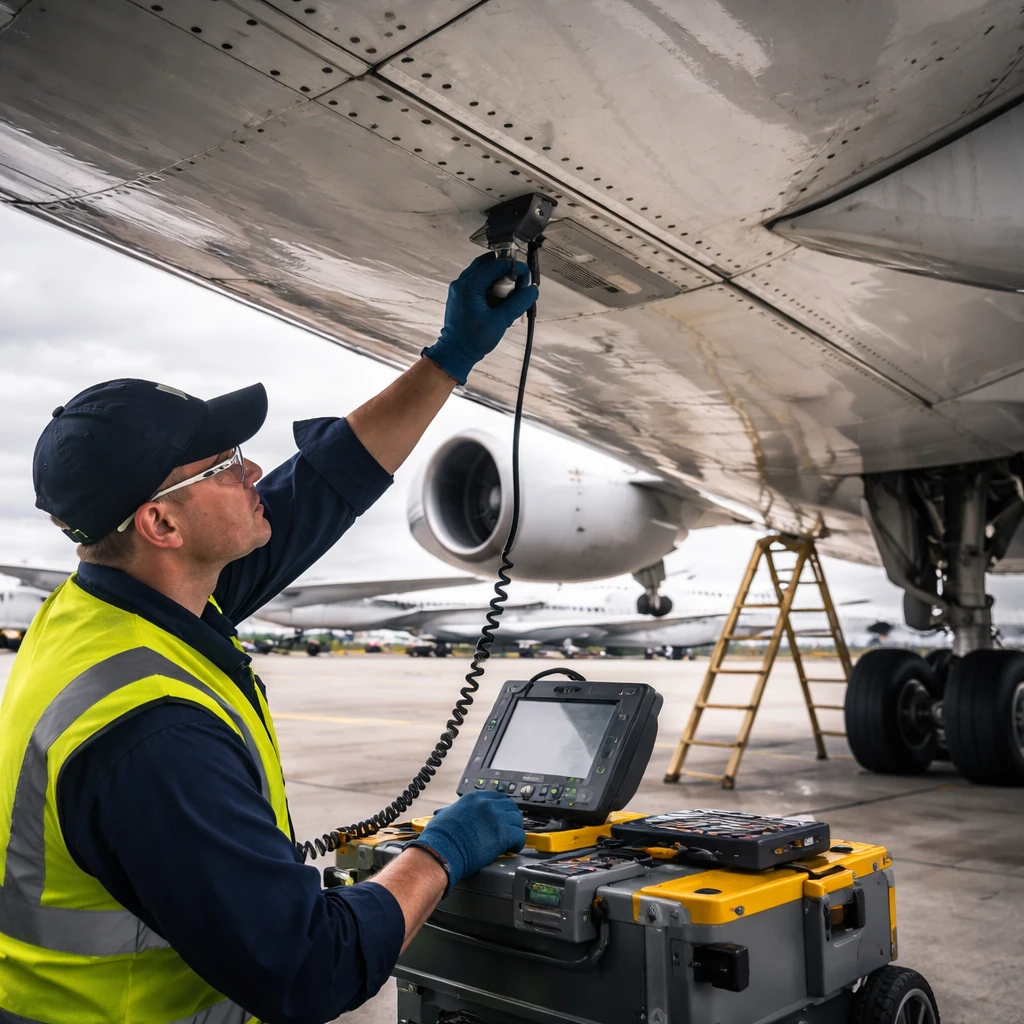
The rule applies to particular Boeing Model 787-8, 787-9 and 787-10 airplanes. It requires operators to carry out repetitive ultrasonic inspections at specified splice plates, rear spar terminal fittings, lower chords, front spar terminal fittings and jack pads to check for any cracking. In addition, the directive mandates repetitive detailed inspections of certain splice plates for signs of cracks and prescribes applicable on-condition actions, including repair when necessary.
In its regulatory assessment, the FAA estimated the directive affects 17 airplanes on the U.S. registry. The agency put compliance costs at up to $24,310 per inspection cycle for each affected aircraft, and calculated total potential costs for U.S. operators of as much as $413,270 per inspection cycle.
The FAA also reported receiving comments during the public comment period that followed the notice of proposed rulemaking published on March 13, 2026. Commenters included United Airlines, American Airlines and The Foundation for Aviation Safety.
Boeing said the shim-gap issue originated in 2019 and that it issued a service bulletin addressing the gaps in August 2025. The company said it has been coordinating with operators and that affected airplanes can continue normal operations while the inspections are carried out.
Contextual note on scope and cost
The directive specifies inspection methods and locations to identify potential fatigue cracking related to the shim gaps. The FAA's cost estimates are framed per inspection cycle and per U.S. operator, reflecting the repetitive nature of the required work. Operators and regulators provided formal input during the comment period tied to the March 13, 2026 proposed rule.
Operational status
Boeing's statement that affected planes can remain in normal service clarifies that, per the company, the inspections do not currently ground the listed models. The company also noted the timeline for the underlying issue and the prior service bulletin aimed at addressing it.