
Overview
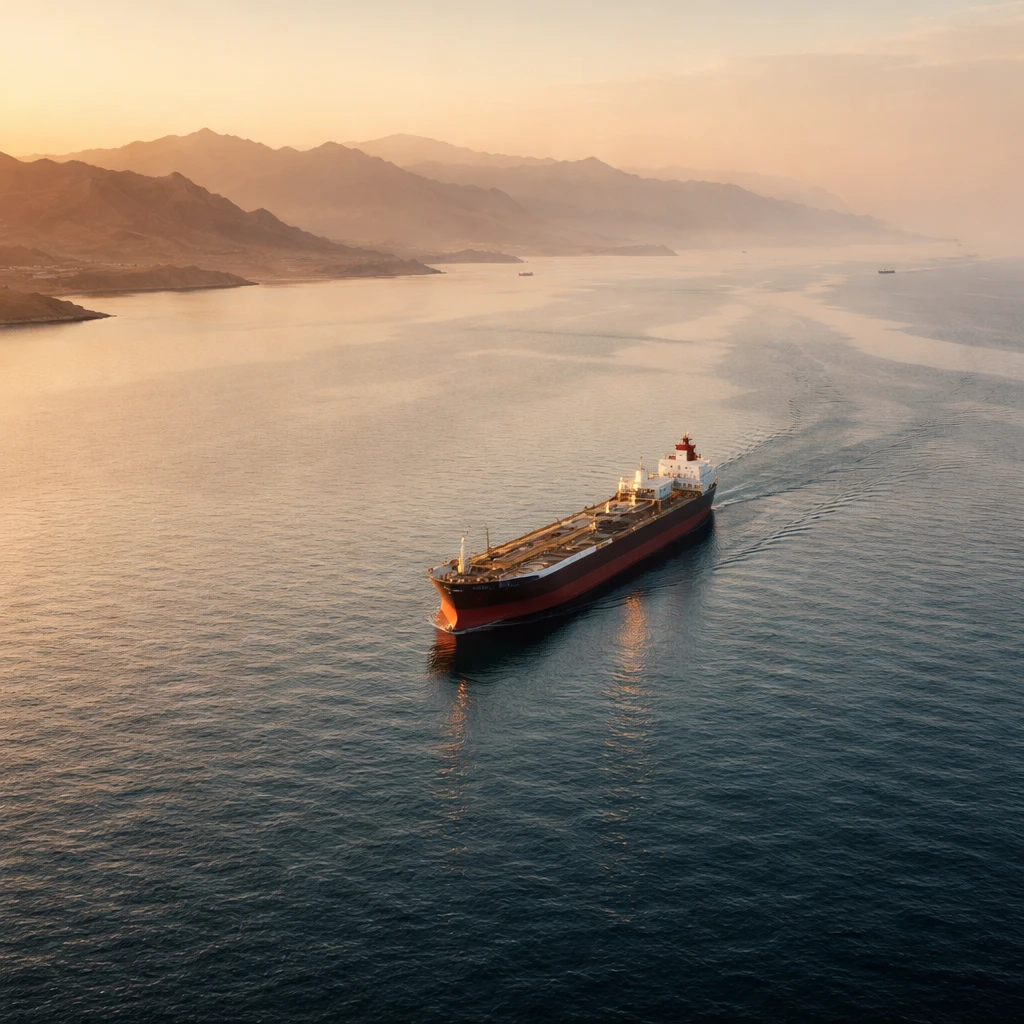
Preliminary shipping data compiled by Kpler and cited in reports from Al Jazeera and CNBC show that commercial tanker transits of the Strait of Hormuz fell to five on Tuesday, compared with a 10-day average of 15. That level is near historic lows for the narrow waterway that is a critical conduit for global oil and liquefied natural gas flows.
Context and recent trends
Before the outbreak of open hostilities between the U.S. and Iran in late February, roughly one-fifth of the world’s oil and liquefied natural gas moved through the strait. After the conflict began, Tehran took steps that effectively curtailed normal traffic through the channel, interrupting global supply lines and contributing to upward pressure on oil prices.
In recent days Brent crude has eased and slipped below the $90-a-barrel threshold. Market downward pressure followed a report from Russia’s RIA Novosti that the U.S. and Iran had reached agreement on a new ceasefire to be announced in the coming days. The report cited Iranian and Pakistani sources; the report could not be independently verified by Investing.com.
Diplomatic signals and temporary routing
Separately, Al Jazeera reported that a senior Iranian official said Iran and Oman had agreed on a new temporary route through the Strait of Hormuz after diplomatic discussions in Tehran. The official cautioned, however, that the strait would not be fully reopened until the U.S. honored commitments contained in a framework deal signed in June that has since expired.
Reports flagged by market analysts, including a note from Deutsche Bank referenced in media coverage, suggested that the U.S. does not anticipate a renewed full-scale conflict with Iran. Concurrent reporting indicated that Washington is preparing to return diplomats to the Middle East. The New York Times reported the planned diplomatic redeployment, while media accounts said Secretary of State Marco Rubio told U.S. allies that the White House does not intend to resume strikes against Iran.
Sanctions posture
At the same time, Treasury Secretary Scott Bessent announced a campaign of new sanctions described as an "economic D-Day" aimed at targeting Iran’s "enablers." Officials highlighted a list of 60 individuals, entities and vessels. U.S. authorities have, however, so far refrained from imposing secondary sanctions on other countries, including China, which is described in the reporting as the largest buyer of Iranian oil.
Market implications
The combination of very low transit volumes through Hormuz, diplomatic signals toward a potential ceasefire, and targeted sanctions measures has contributed to recent market moves, including a retreat in Brent crude prices. Shipping flows, energy supply expectations and sanctions policy remain key variables for markets and for sectors exposed to oil and gas supply.
Key takeaways
- Commercial tanker transits through the Strait of Hormuz fell to five on Tuesday versus a 10-day average of 15 - affecting shipping and energy supply dynamics.
- Reports of a forthcoming ceasefire and a temporary Iran-Oman route coincide with lower Brent crude prices, though verification of some reports remains incomplete.
- U.S. officials announced targeted sanctions against a set of individuals, entities and vessels, while holding off on secondary sanctions against other countries such as China.
Risks and uncertainties
- Verification risk - key reports, including the RIA Novosti story on a U.S.-Iran ceasefire, could not be independently confirmed, leaving outcomes uncertain for markets and shipping.
- Reopening conditions - Iranian statements tying a full reopening of the strait to U.S. compliance with a now-expired framework deal add uncertainty for oil and LNG supply restoration timelines.
- Sanctions scope - while targeted sanctions have been announced, the decision not to apply secondary sanctions to major buyers such as China leaves open the prospect of uneven economic pressure and shifting market responses.