
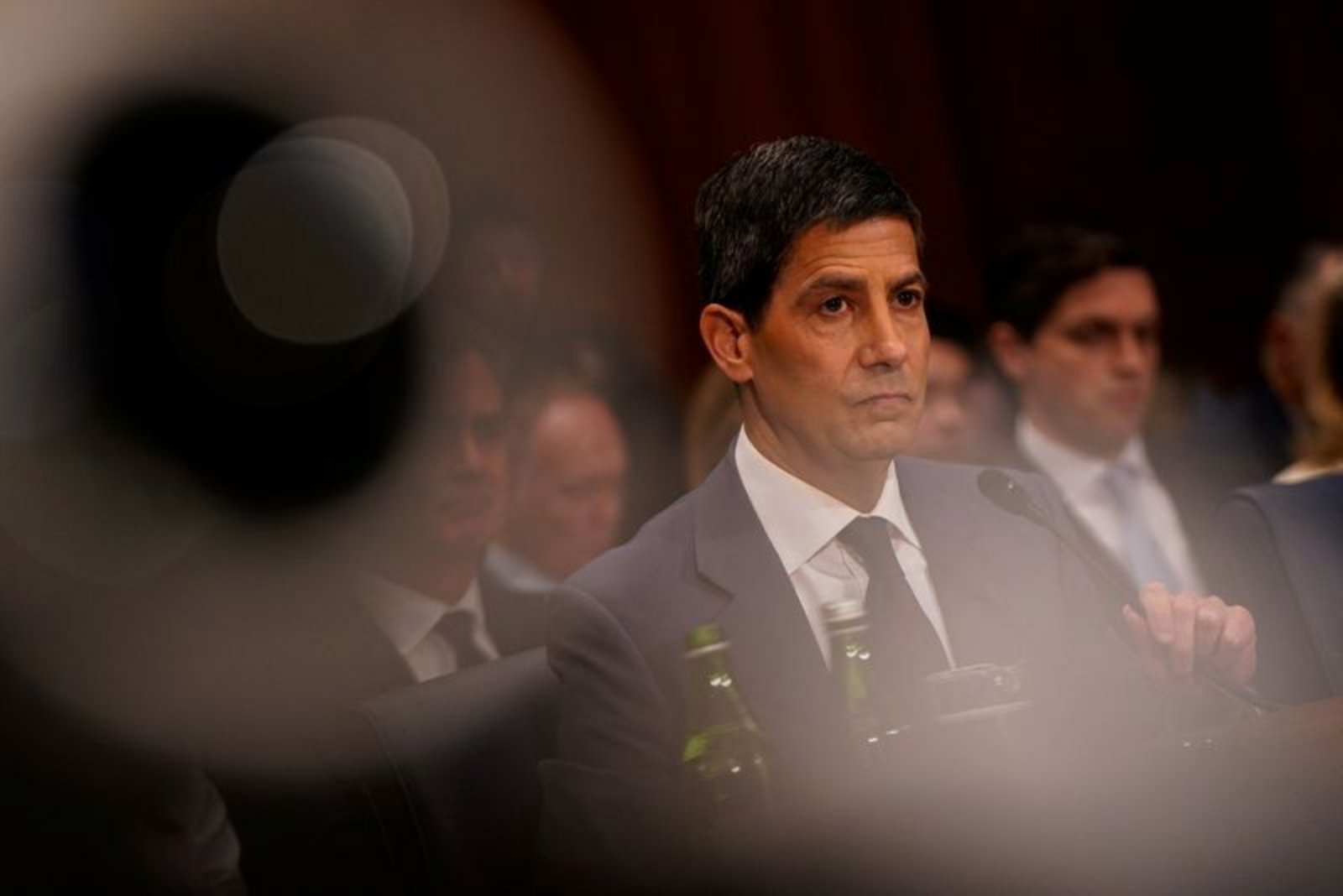
The leadership structure of the United States central bank is poised for an imminent change as President Donald Trump prepares to swear in Kevin Warsh as Federal Reserve chair this Friday. According to a statement released by the Trump administration on Thursday, the ceremony will take place at the White House.
Mr. Warsh's ascent to the chairmanship follows his confirmation on May 13, which passed via a vote that was nearly aligned along party lines. He is designated to take over the leadership duties from Jerome H. Powell. However, the transition will not result in Mr. Powell's immediate exit from the Federal Reserve; he is expected to remain a member of the board until 2028.
The incoming chair, aged 56, is set to fulfill two distinct roles: a four-year term as chair and a 14-year term as a Fed governor. The selection of Mr. Warsh by President Trump is viewed as an effort to create a bulwark against further hikes in interest rates. Historically, Warsh has expressed a preference for lowering rates while simultaneously executing a reduction of the Federal Reserve's balance sheet.
This leadership transition occurs at a sensitive moment for monetary policy. Fellow governors are currently evaluating whether to implement a rate hike to combat inflation, which has been driven by Trump’s war in Iran. The urgency of this debate is highlighted by minutes from the Fed's April 28-29 meeting, released on Wednesday. Those records indicate that a majority of policymakers believed "some policy firming would likely become appropriate" should inflation continue to remain above the central bank's established 2% target.
Key Economic Impact Points
- Monetary Policy Shift: The appointment of Warsh, who favors lower rates and a smaller balance sheet, introduces a potential shift in the direction of Federal Reserve policy compared to the current trajectory.
- Interest Rate Divergence: There is a notable tension between the incoming chair's stated preferences and the existing sentiment among many Fed policymakers who are considering rate hikes to manage inflation.
- Central Bank Stability: While the chair is changing, the retention of Jerome Powell on the board until 2028 provides a layer of continuity within the Federal Reserve's governing body.
Risks and Uncertainties
- Inflationary Pressures: The ongoing war in Iran has contributed to inflation, creating a risk that central bank officials may pursue policy firming to maintain the 2% target, potentially conflicting with the new chair's objectives.
- Policy Conflict: There is an explicit uncertainty regarding how Warsh will navigate a Federal Reserve environment where a majority of policymakers have indicated that further tightening might be necessary if inflation persists.