
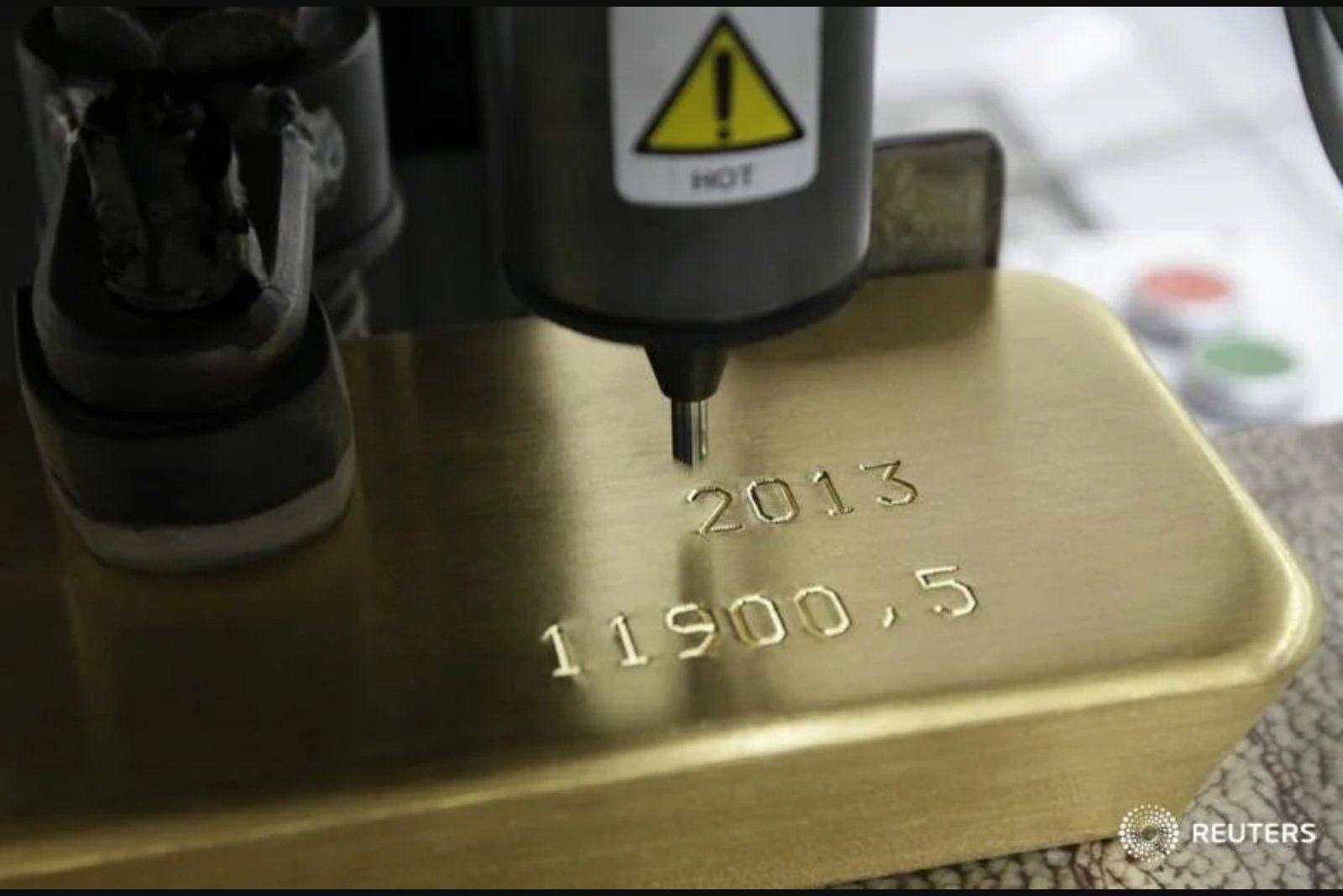
Spot gold retraced losses on Tuesday after touching below the $4,000-an-ounce mark earlier in the session, with prices climbing 0.8% to $4,048.88 an ounce at 10:50 ET (14:51 GMT). U.S. gold futures rose 0.6% to $4,063.50 an ounce in the same period.
Traders had seen the yellow metal gain 0.5% in the prior session before it surrendered some ground, and attention has shifted to the Federal Reserve’s policy announcement expected this week. Markets are largely anticipating that the Fed will leave interest rates unchanged on Wednesday, a view reflected in the low probability priced for an immediate hike.
Oil markets have been choppy, with prices oscillating around the flatline as a new round of diplomatic engagement raised hopes of avoiding a broader escalation in the U.S.-Iran conflict. That improved diplomatic tone supported risk-sensitive assets, but it has not fully removed pressure on gold, which remains sensitive to inflationary impulses driven by persistently high energy costs.
Market pricing assigns roughly a 10% chance of an interest-rate increase at the Fed’s meeting this week. Nonetheless, ongoing elevated energy prices continue to underpin expectations that policymakers could raise rates before year-end.
Investor positioning reacted to recent economic data and central bank commentary. Traders had initially boosted wagers on an October rate rise after U.S. inflation prints came in hotter than anticipated; subsequent remarks from Fed officials that downplayed the immediacy of additional tightening trimmed those odds. The Fed previously raised rates in September, marking its first hike since 2023.
Higher interest rates tend to increase the opportunity cost of holding non-yielding assets such as gold, a dynamic that remains relevant as rate expectations ebb and flow.
Concerns about technical support levels for bullion were voiced by market analysts. "[T]here’s [...] a danger that support [for gold] breaks which would increase the probability of a deeper pullback, to the next big support level of $3,500. The big unknown is once again the U.S. dollar," said David Morrison, Senior Market Analyst at Trade Nation.
Currency moves have also affected demand for gold. The U.S. dollar strengthened, reducing the appeal of bullion for overseas buyers; the U.S. dollar index was trading higher by 0.2% at 102.19 during the session.
Overall, the interplay between Fed policy expectations, oil-market volatility, diplomatic developments relating to U.S.-Iran tensions, and the direction of the dollar are the principal forces shaping near-term price action for gold.