
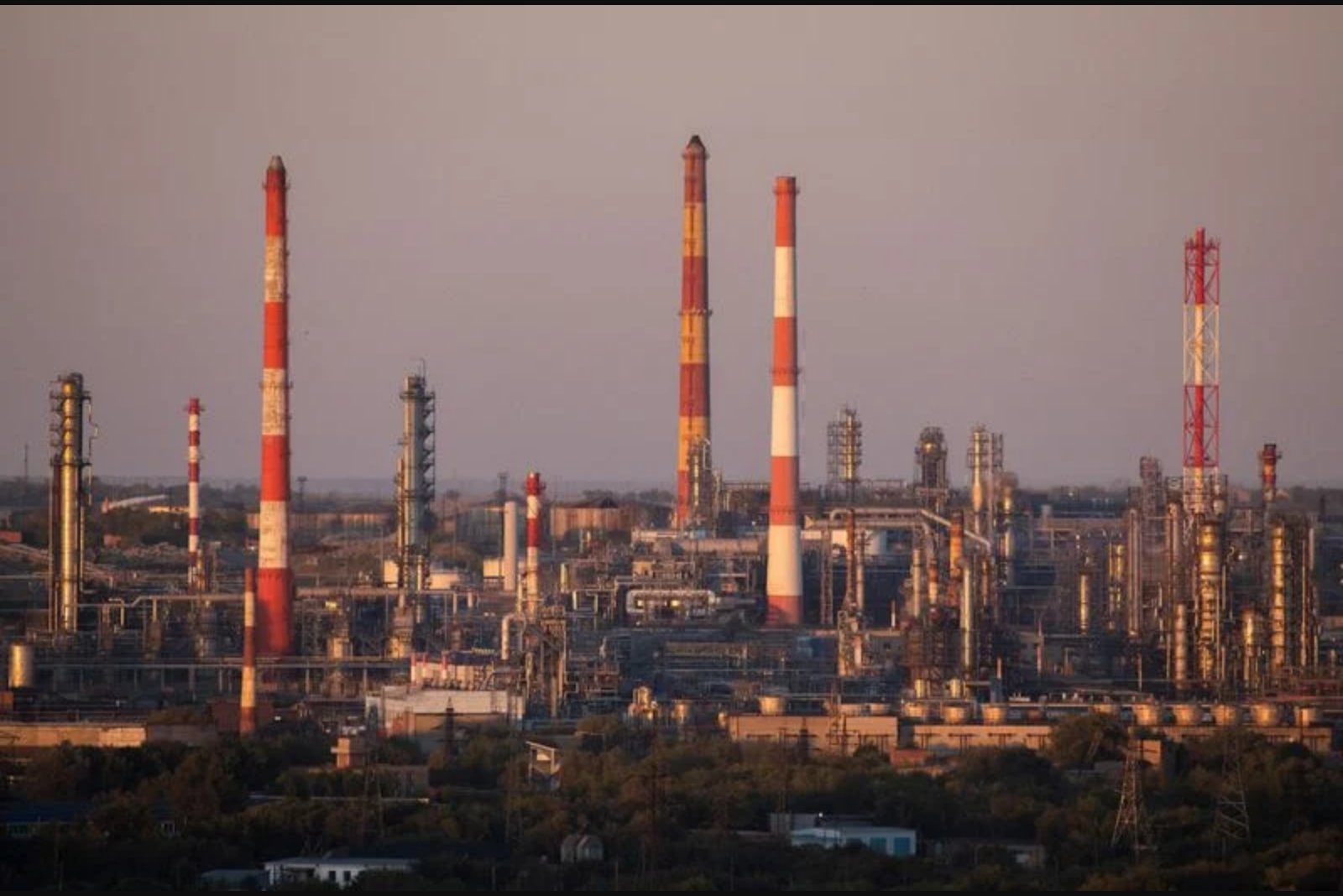
Russian oil refineries increased diesel production during October after the government started issuing specific export quotas that enable shipments under a Kremlin agreement to supply fuel to the United States and other markets, industry sources close to the matter said.
U.S. President Donald Trump stated on October 9 that Russian President Vladimir Putin had agreed to a deal for Russia to deliver diesel to the United States and global customers, and said the U.S. would temporarily ease sanctions on Russian fuel. Following that announcement, Mr. Trump said Russia would immediately send more than 300,000 metric tons of diesel - roughly 2.25 million barrels - with a further 500,000 tons to follow in November and another 1 million tons after that. He also indicated a potential additional 3 million tons contingent on refinery conditions.
Traders cited by industry sources said that, beginning October 1, the Russian government started permitting exemptions to an existing diesel export ban so that quotas could be allocated to support deliveries under the agreement referenced by the two leaders. The diesel export ban itself has been in place since August, and during that period Russian oil firms curtailed production to prioritize domestic needs while maintaining limited shipments to Central Asian states under existing intergovernmental agreements.
According to the industry sources, daily diesel production in Russia fell to about 160,000 tons per day in the first half of October, down from roughly 175,000 tons per day in September. After export quotas were announced in mid-October, output rose again toward approximately 180,000 tons per day.
The sources noted that domestic demand typically eases in October to about 140,000 tons per day, citing seasonal drivers such as the end of the grain harvest and the close of the summer driving season. With production moving toward 180,000 tons per day while domestic consumption sits near 140,000 tons per day, that creates at least 40,000 tons per day - more than 1 million tons per month - potentially available for export.
Industry contacts added that between 0.2 million and 0.3 million tons of the available exportable diesel may still be required to meet needs of neighbouring countries. The sources also said they expect the government to maintain the underlying export ban and continue to control overseas shipments through quota allocations, monitoring domestic market dynamics and production shifts.
Maritime tracking information from LSEG indicated that a Malta-flagged tanker carrying some 40,000 tons of Russian diesel bound for New York appeared on vessel-tracking systems on October 23. On the same day, Kremlin spokesman Dmitry Peskov said that diesel deliveries to the United States would continue on a regular basis following the departure of the first tanker.
Contextual note - The material above reflects reporting from industry and official statements about production levels, quotas and planned deliveries. Where estimates and figures were provided by the industry sources and statements quoted by officials, they are reported as given.