
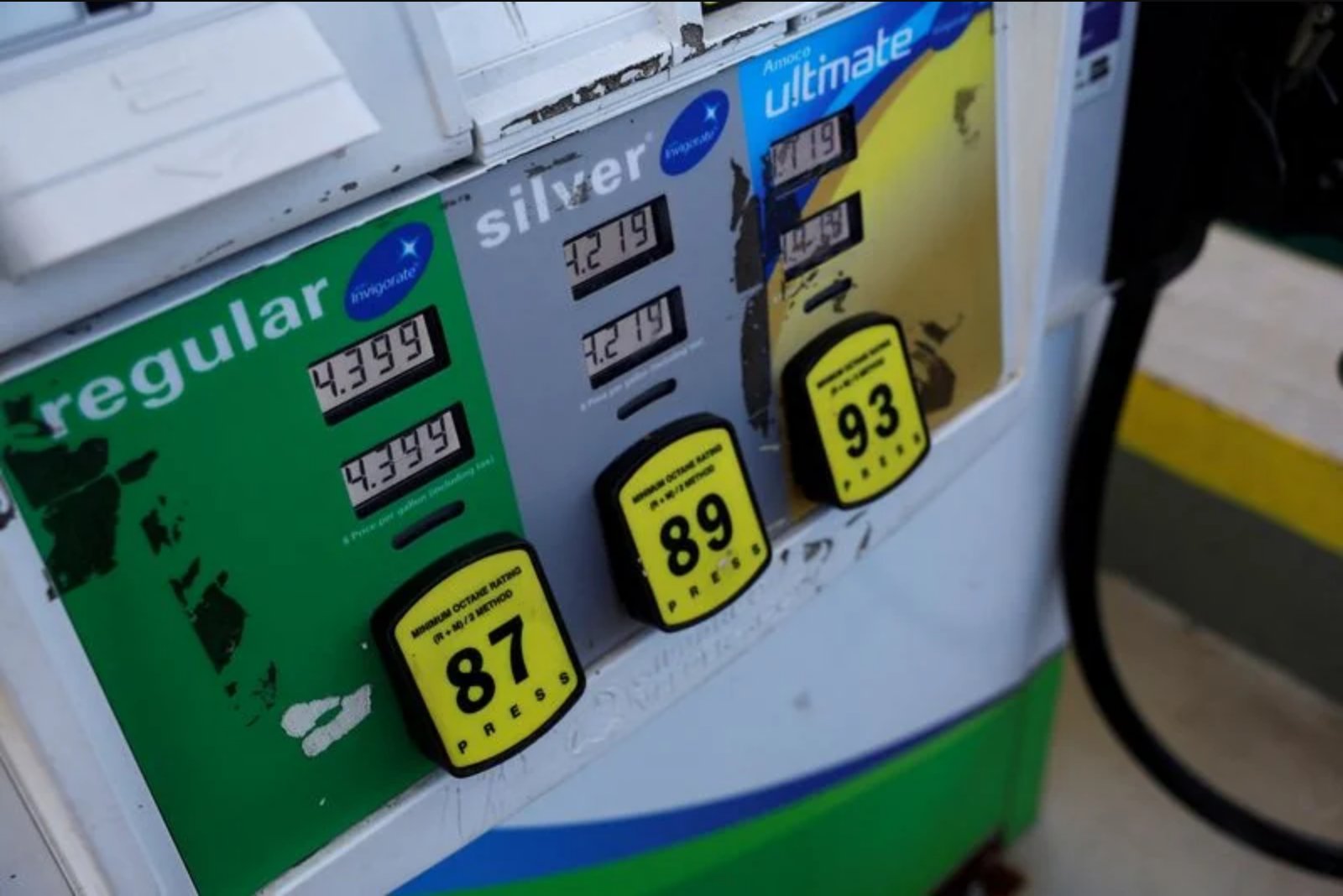
A Finland-based nonprofit research group has concluded that U.S. consumers have shouldered the heaviest financial burden from the jump in fuel costs caused by supply disruptions connected to the U.S. war on Iran. The study, published by the Centre for Research on Energy and Clean Air (CREA), attributes part of the disruption to actions that included the virtual shutting and subsequent blockade of the Strait of Hormuz.
According to CREA, the average U.S. consumer has paid an extra $471 for fuel since the Iran war began on February 28. By contrast, people around the world paid an average of roughly $60 more over the same period, the study reports.
CREA calculated these additional costs by comparing fuel prices in January and February of this year with prices prevailing during the remainder of the year. The analysis covered fuel price movements and consumption across 169 countries from the beginning of March through mid-October.
The study highlights specific factors that make U.S. drivers more exposed to higher fuel prices: greater reliance on less fuel-efficient private vehicles, longer average travel distances, and a relatively slow transition to electric vehicles. CREA notes these structural characteristics increase consumer vulnerability to spikes in global fuel costs.
Country-level totals from the study show the world paid an extra $468 billion for fuel over the examined period. The United States accounted for $160 billion of that total, followed by China at $54 billion and Canada at $17 billion. CREA also identified Canada, Australia, New Zealand and Belgium as countries where consumers have paid notably higher amounts.
The report reiterates CREA’s organizational stance in support of efforts to move away from fossil fuels. Separately, the U.S. administration has framed higher fuel prices as a limited consumer cost incurred to prevent Iran from acquiring nuclear weapons, and has said oil and fuel prices will decline when the war concludes. The administration’s earlier expectations on the conflict’s duration have been proven optimistic, as the war has persisted longer than initially predicted.
Methodology note - CREA’s totals derive from comparing baseline fuel prices in the January-February period with subsequent months, applied across country-level consumption data for the March to mid-October interval. The group’s analysis covers 169 countries, producing aggregate and country-specific additional fuel expenditures attributed to the war-related supply disruptions.