
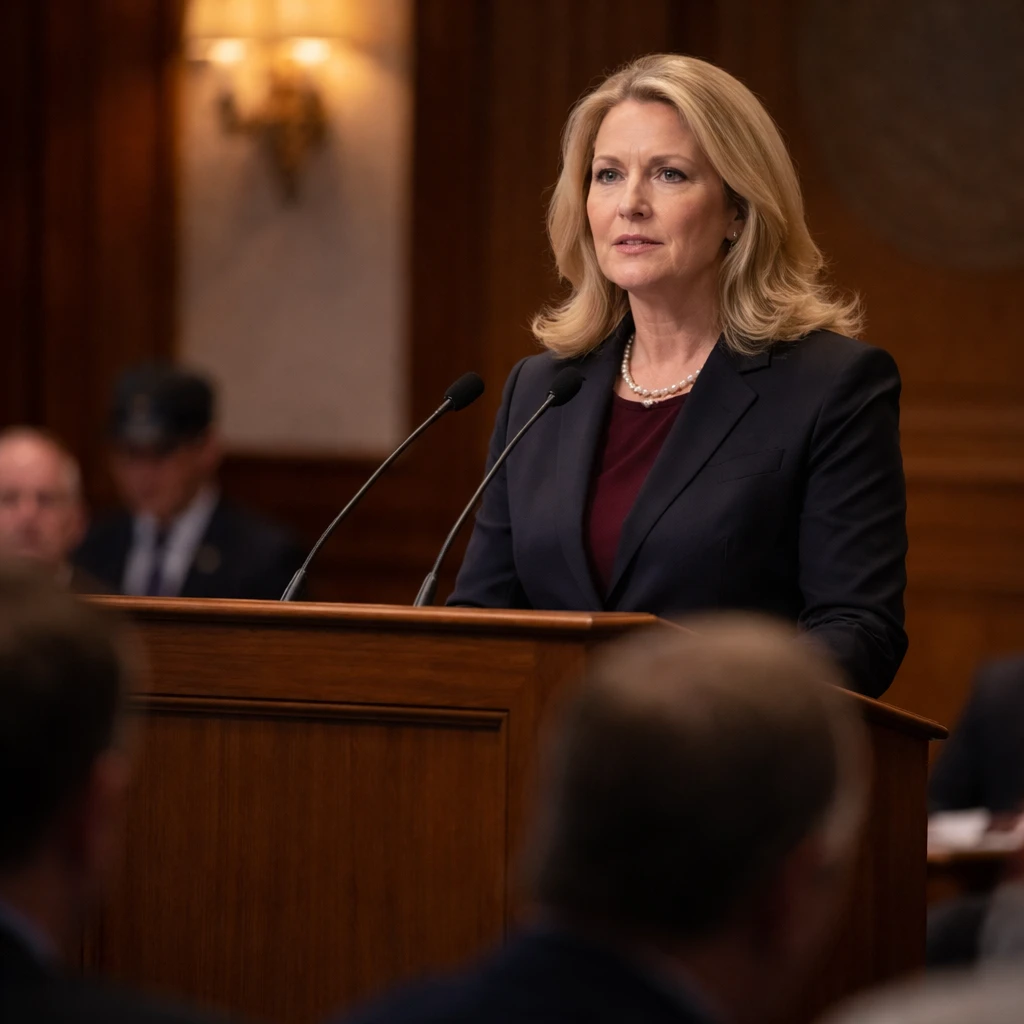
Federal Reserve Vice Chair of Supervision Michelle Bowman reiterated on Tuesday that inflation remains the Federal Reserve's top policy priority, while expressing the view that price pressures are likely to subside in the coming year.
Delivering prepared remarks to the Council on Foreign Relations in Washington, DC, Bowman said:
and added:"Today, I am seeing signs that inflation pressures are persisting, while labor market conditions appear to be firming,"
"This indicates that there is still work to do to bring inflation closer to 2%."
Bowman provided a near-term estimate for inflation dynamics, projecting that the core personal consumption expenditures price index likely rose 3.3% in October. She attributed the recent persistence in core PCE to higher energy prices and demand connected to artificial intelligence.
At the same time, Bowman noted that the limited progress in lowering inflation does not appear to be the result of excessive labor market pressure. She said the labor market has improved without showing signs of overheating, implying that employment conditions are not the driving force behind the recent inflation trajectory.
Looking ahead, Bowman expressed an expectation that core PCE inflation will move closer to the Fed's 2% objective next year. She specified that this moderation would come as inflationary pressures tied to the expansion of artificial intelligence and the conflict in the Middle East ease, and provided there are no new inflationary forces emerging from employment conditions.
Bowman identified several developments that could pose economic risks. She pointed to tightening financial conditions - naming declining stock prices, rising bond yields, and a stronger dollar - as factors that could weigh on the outlook. She also noted that the broader economy has shown increased strength this year.
On the trade-offs facing policymakers, Bowman said:
She emphasized that time will reveal more about how durable AI-related demand is and how geopolitical risks unfold, with both elements potentially influential in setting the Fed's policy stance in the months ahead."The benefit of additional policy tightening has to be carefully weighed against its costs for interest-rate-sensitive sectors."
In her prepared remarks, Bowman did not call for any additional interest rate increases.
Summary
Michelle Bowman reiterated inflation remains the Fed's primary focus, projected October core PCE likely rose 3.3%, and signaled that core inflation should approach the 2% target next year as pressures from AI and the Middle East decline. She warned of tightening financial conditions and stressed weighing the costs of further policy tightening on interest-rate-sensitive sectors. Bowman did not advocate for higher interest rates during the speech.
Key points
- Inflation remains the Fed's top concern; core PCE likely rose 3.3% in October, supported by higher energy costs and AI-related demand - impacts markets and energy sectors.
- Labor market improvements have occurred without overheating, suggesting employment is not the primary source of recent inflation - relevant to labor-sensitive sectors and consumer spending.
- Tightening financial conditions - falling equities, rising yields, stronger dollar - represent risks to the economy and to interest-rate-sensitive sectors such as housing and consumer credit.
Risks and uncertainties
- Durability of AI-related demand: If AI-driven demand remains strong, it could sustain inflationary pressures - affecting technology-related investment and associated supply chains.
- Geopolitical developments in the Middle East: Continued or worsening conflict could keep energy prices elevated, sustaining inflation - with consequences for energy and transportation sectors.
- Tightening financial conditions: Declining stock prices, rising bond yields, and a stronger dollar could slow economic momentum and weigh on interest-rate-sensitive industries such as housing and consumer finance.