
OSLO, Nov 10 - The U.S. government said on Tuesday it remained confident that a Russian diesel shipment, whose tanker has stopped off the U.S. east coast, will ultimately be sold into international markets.
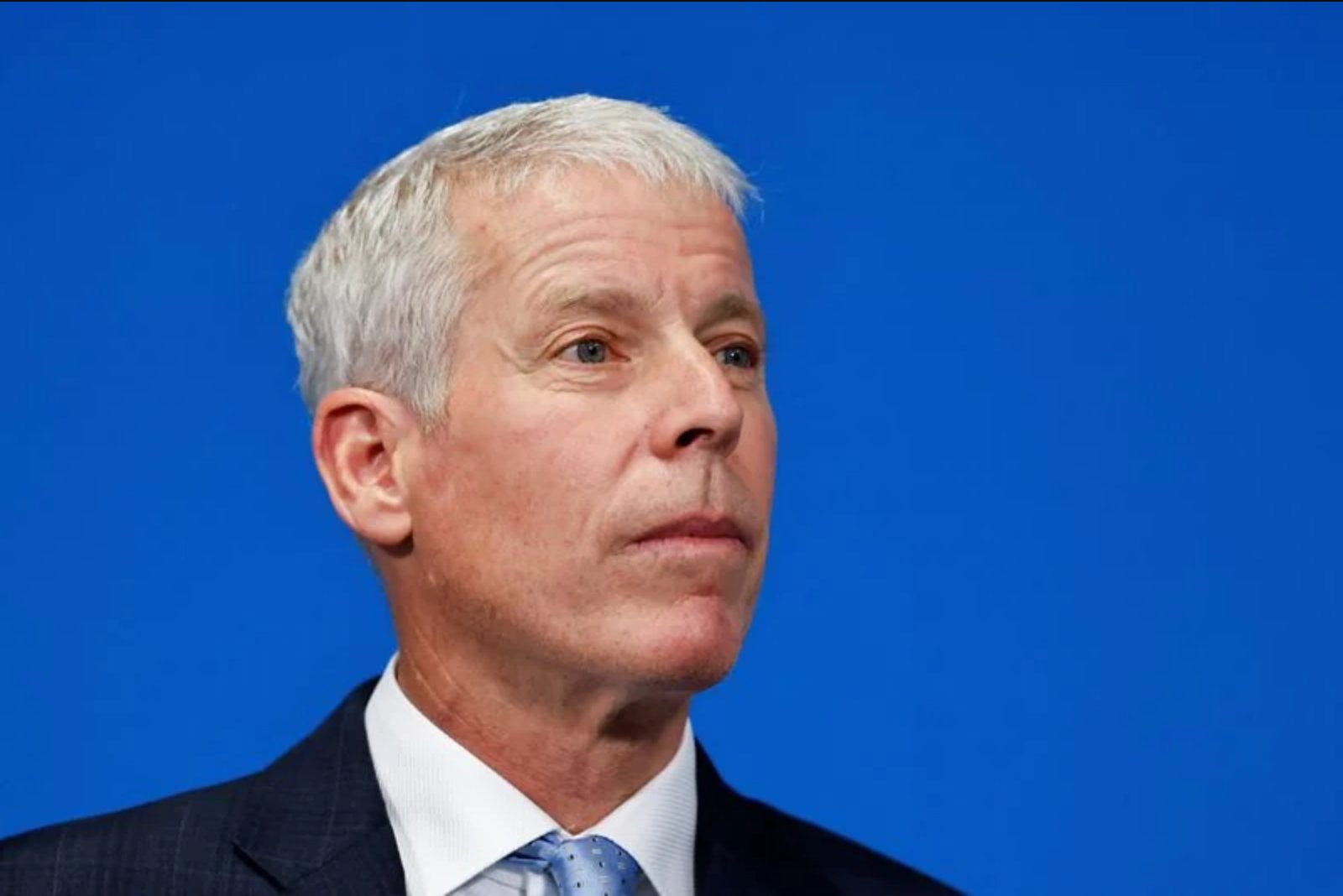
Asked about the status of the Malta-flagged tanker Agioi Fanendes, which had earlier signalled a destination on the U.S. Atlantic Coast before coming to a halt, U.S. Energy Secretary Chris Wright said he was not concerned that the vessel appeared to have been turned away. "Not at all. No, it’ll go to another port," Wright told reporters in New Orleans. "We just want that diesel going into the world markets."
Shipping data visible on Tuesday showed the Agioi Fanendes stationary off the U.S. east coast. The halt followed public warnings from officials in at least one U.S. state and questions from lawmakers about whether a landing in the United States would be lawful.
President Donald Trump last month announced an agreement with Moscow to import Russian diesel into the U.S. market, describing the move as an effort to help reduce pump prices ahead of this month’s U.S. midterm elections. Under the arrangement Mr. Trump approved, Russia would immediately export 300,000 tons, or 2.25 million barrels, to the U.S. and global markets, followed by 500,000 tons in November and 1 million tons "immediately thereafter." In press remarks, Mr. Trump waived parts of a new U.S. sanctions law on Moscow to allow those shipments.
That deal has met resistance at the state and federal level. New Jersey’s Democratic Governor Mikie Sherrill warned local port officials and terminal operators that accepting Russian diesel could violate federal law and expose businesses and individuals to civil and criminal penalties. In addition, senators from both parties have said U.S. law bars imports of energy from Russia until Moscow ends its aggression against Ukraine.
The tanker in question was loaded with 40,000 metric tons of ultra-low sulphur diesel at Russia’s Baltic port of Primorsk on October 22, according to LSEG shipping data, and had an expected delivery date of November 7. A week after loading, the Greece-based company that manages the vessel, Eastmed, said the ship was proceeding "awaiting orders" and that a port of discharge had not yet been nominated or finalised. "Nothing has changed regarding the vessel’s destination, she is still awaiting orders," Eastmed said on Tuesday.
Shipping movements can change over the course of a voyage. Vessels sometimes alter their declared destination or return to a "for orders" status multiple times if a prospective sale collapses, plans are revised, or if operators avoid declaring an intended port publicly. In recent days, other tankers that at one point signalled the U.S. Atlantic Coast as their destination later adjusted course, shipping records indicate.
Former President Joe Biden had imposed a ban on U.S. imports of Russian oil and petroleum products in 2022 after Russia’s invasion of Ukraine. The recent executive actions that permitted the planned shipments represent a departure from that prior policy stance, and they have prompted debate among politicians and port operators about legal compliance and enforcement.
Analysts tracking vessel movements noted the Agioi Fanendes has slowed markedly. Ellie Valencia, a senior analyst at Vortexa, said the ship’s speed had dropped from roughly 10 knots a few days ago to about 2 knots more recently. "What you can interpret from the speed is directly related to the status of the ship which is 'FOR ORDERS', most likely meaning that it doesn’t yet have a specific buyer," Valencia said.
U.S. officials have maintained that the objective is to place the diesel into world markets rather than to insist on an immediate U.S. discharge. Secretary Wright’s comments underscored that position, even as state-level warnings and statutory restrictions continue to pose potential obstacles to any port call in the United States.
At present, the vessel remains stationary off the coast and its final destination has not been publicly confirmed. The statement from the vessel manager that it is "awaiting orders" leaves open the possibility the cargo will be redirected to a different port or buyer elsewhere in the global market.