
Lead
Six crew members assigned to two Iran-linked cargo vessels vanished after the ships were last recorded near Iran’s Kish Island on May 9, their fate unknown as relatives press for answers. The disappearances occurred amid a wave of attacks on commercial shipping since fighting escalated in the region earlier this year, with international maritime authorities reporting numerous incidents and fatalities.
Personal toll
V. Pandiselvi, mother of 23-year-old Indian sailor Naveen Kumar, has not had contact with her son for more than six months. Living in a one-bedroom house in Dindigul, Tamil Nadu, she replays voice messages sent by her son and clings to the hope that he will return. "You don’t need anyone to tell you what a parent would go through if they were to lose their child. We appeal to everyone involved to please come forward and help us," Pandiselvi said, struggling to maintain composure.
Kumar left for a six-month crew contract after his family incurred debt so he could complete a marine course. He was told his posting would be based in Dubai but a week into the contract he was in Iran, which caused alarm in his family. Contact became intermittent and then ceased altogether.
Relatives of other missing crew members described similar anguish. Haider Rahman al-Mayahi, a 22-year-old Iraqi sailor, left behind a one-year-old daughter and a father who suffered a stroke following his disappearance, his brother stated. Families have travelled to Iran in search of information and to question individuals they believe may be linked to the vessels, but answers have been scarce and sometimes conflicting.
Disappearance and last known position
Officials and maritime monitors say the two vessels, known as Bridge 1 and Bridge 2, were last transmitting Automatic Identification System (AIS) signals approximately 8 nautical miles from Kish Island on May 9 at 4:50 p.m. Iraqi maritime authorities reported they called the local agent in Iran, who said he knew nothing about the incident. An Iranian search-and-rescue agency reportedly attempted to find the ships the following day but reported finding nothing.
The two vessels were not listed on a public registry of maritime incidents maintained by the International Maritime Organization (IMO). Iraq stated in May that it was monitoring the disappearance of the Bolivian-flagged ships. No distress signals were reportedly received, and Gulf ports issued requests for information after communications with the crew were lost.
Who was on board
Those missing from the two vessels include three Iraqis, one Pakistani and two Indians, among them Naveen Kumar and Haider Rahman al-Mayahi. Shipping sources familiar with the matter said the vessels were engaged in trade involving Iranian cargo and were carrying steel at the time communications ceased.
Competing theories, limited answers
Relatives and shipping sources received a variety of explanations for the crews’ disappearance. Some in the shipping community suggested the ships may have been struck and sunk during retaliatory strikes in the region, while others proposed that crew members might have been detained by a state actor. Iranian agents and the vessels’ identified owner did not provide information to families or to Reuters when approached, according to accounts from relatives who sought them out.
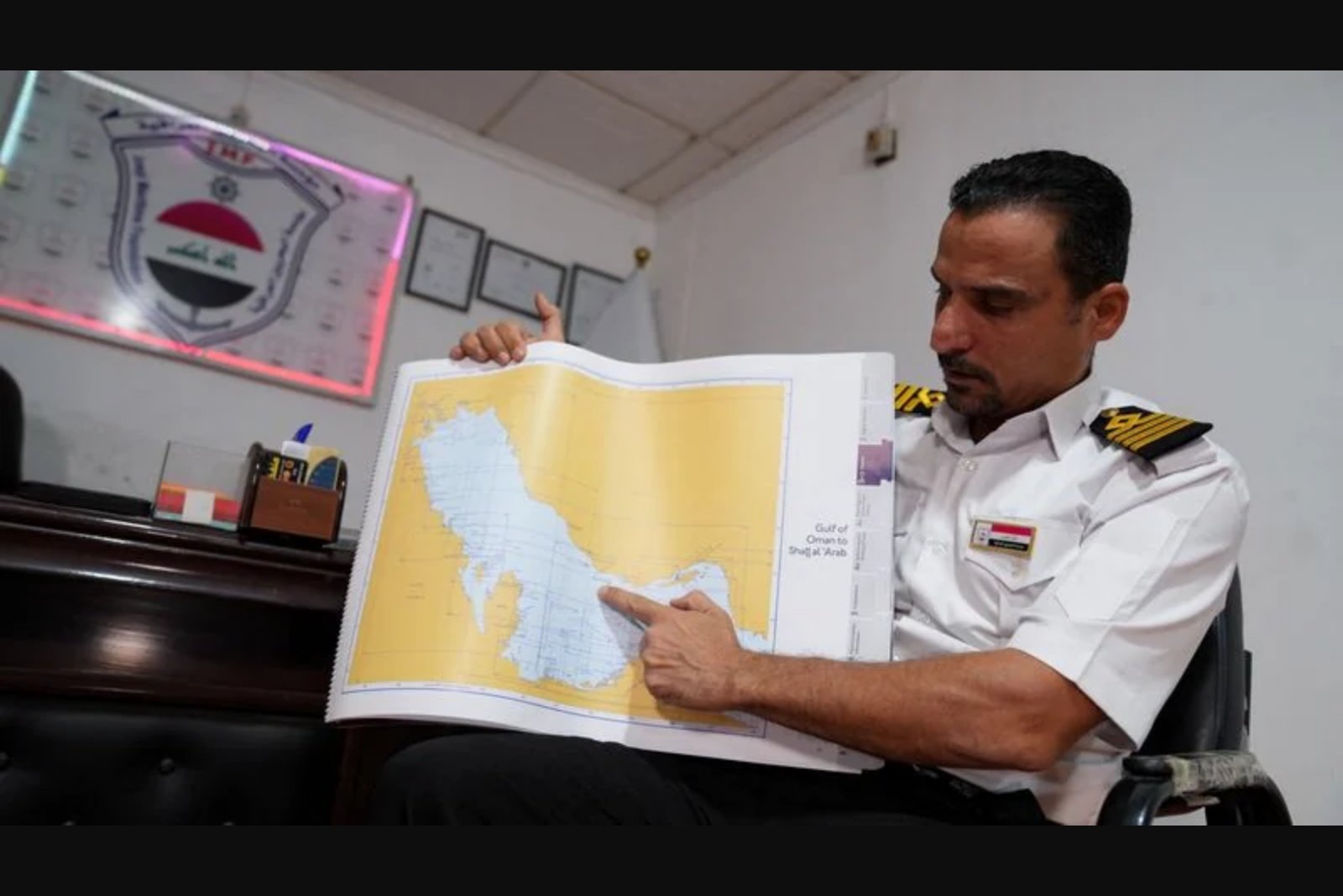
Khaled Saad al-Thaalibi, who heads the Iraqi maritime foundation in Basra, said the last available information was the AIS transmission near Kish Island and that subsequent searches produced no trace. "We don’t know if the vessels sunk or were confiscated by a country," he said, describing the absence of conclusive evidence.
Recruitment, regulation and accountability
Indian authorities have moved against a recruitment agency connected to at least one of the missing sailors. An order dated May 22, published on a government website, indicates India’s Seamen’s Employment Office withdrew the recruitment licence of Lascar Marine Services and barred its past and present directors from maritime business for five years. The order cited repeated failures to repatriate seafarers and to pay wages, listing several cases including the disappearance of Kumar.
Families said they had contacted Lascar Marine after communications ceased and were initially told their relatives would return soon. Later, those calls went unanswered. The director of the Seamen’s Employment Office did not provide comment in response to requests.
Economic pressures on seafarers
Since the conflict escalated in late February, costs associated with hiring crew have risen significantly, industry contacts say. One Dubai-based shipper who spoke to Reuters said hiring costs had tripled, with many seafarers opting to work a single journey rather than remain on repeated risky assignments. The earnings on offer have risen commensurately. A captain, previously earning around $8,000 to $13,000 a month before the conflict, may now command three times that in some cases. The shipper noted that some crew members ask for three months’ pay per month but, after experiencing a hazardous voyage, may decide to return home after only one trip.
For families such as Kumar’s, however, the potential for higher wages offers little comfort. Kumar’s family borrowed approximately 1.5 million Indian rupees - about $16,000 - to finance his maritime training, and remain burdened by that debt as they await news. "We worked tirelessly to secure our children’s careers and future," Pandiselvi said. "Now, seeing everything that has happened, we are left wondering what our lives have come to."
Wider maritime context
The United Nations' International Maritime Organization has reported 130 incidents in the region since the conflict began, the vast majority involving attacks on commercial vessels, and at least 25 seafarers killed. The attacks have been described as part of a cycle of strikes and counter-strikes between state actors, with vessels connected to Iran reportedly targeted by the US and Tehran responding with attacks it says assert control over key waterways such as the Strait of Hormuz.
Those figures reflect a broader operational risk for maritime trade routes in the Gulf. Ports, shipping agents and flag states have been placed under pressure to provide timely, transparent information when communications are lost. In the cases of Bridge 1 and Bridge 2, gaps in reporting and the absence of an official incident listing have left relatives and authorities with limited avenues to establish what occurred.
Search efforts and unanswered questions
Authorities said Iranian search-and-rescue teams conducted searches after the AIS transmissions ceased but found no trace of the ships. Iraqi officials and maritime monitors say they followed up with agents and owners but received no clear explanation regarding the vessels' status. There is no confirmed information on whether the ships were sunk, commandeered, or detained, and no distress calls were recorded.
The families of the missing have pursued multiple leads. Some travelled to Iran to locate the owner and agents associated with the vessels, encountering officials who denied knowledge. Conflicting accounts from shipping sources offer no definitive narrative, and the lack of public incident listing for the two ships has compounded uncertainty.
Human consequences and policy implications
Those left behind by the missing sailors describe deep emotional and financial strain. In addition to the immediate anguish over their loved ones' whereabouts, families face economic hardship related to training costs and lost wage expectations. The removal of a recruitment agency's licence by Indian authorities signals regulatory consequences for agents judged to have failed in their responsibilities to seafarers.
At the same time, the broader spike in maritime incidents raises questions about operational continuity for shipping companies, crew safety protocols, and the adequacy of international tracking and search coordination when vessels disappear in contested waters.
Conclusion
For Pandiselvi and other relatives, the absence of definitive answers is itself a continuing trauma. The case of Bridge 1 and Bridge 2 exemplifies how geopolitical conflict on the water can translate into intimate, unresolved loss for families and communities. Officials and maritime organisations have provided some data points, but key questions about the ships' final hours remain unanswered, leaving loved ones in prolonged uncertainty.
Exchange rate reference: $1 = 94.5075 Indian rupees.