
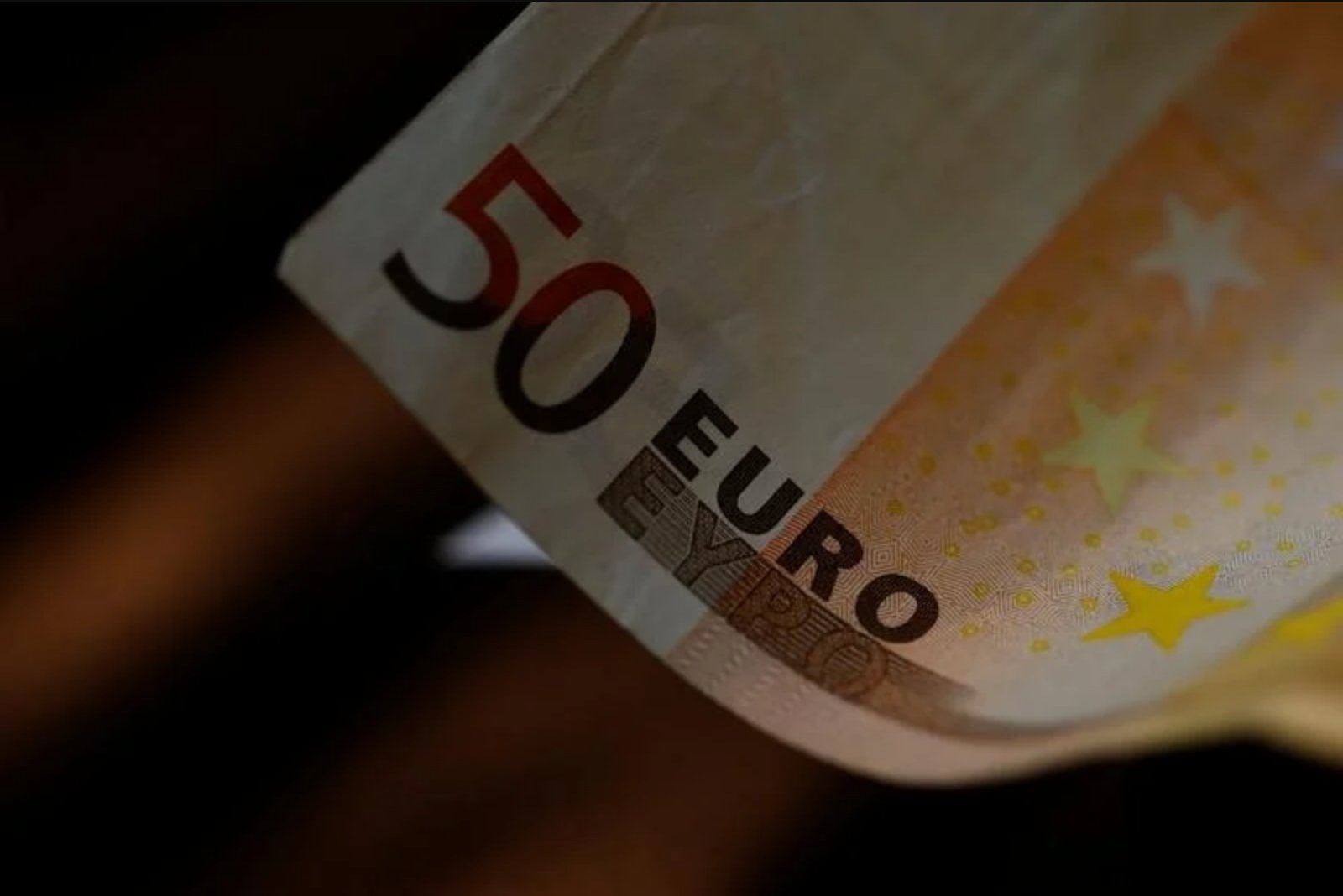
Capital Economics projects the euro will fall to roughly $1.10 versus the US dollar by the end of 2026, placing the single currency notably below recent levels as interest-rate expectations diverge between the United States and the euro-zone.
The EUR/USD pair has moved lower from about $1.18 on May 11 to near $1.14 at present. Capital Economics links that retreat primarily to differences in how markets now view future central bank actions in each jurisdiction.
On the US side, market pricing for further Federal Reserve tightening has risen. The consultancy cites stronger US economic growth and persistently elevated underlying inflation as drivers of that shift in expectations. Capital Economics also referenced comments made by Kevin Warsh at his first press conference as chair as a factor that reinforced expectations for additional Fed tightening.
By contrast, the outlook for interest rates in the euro-zone has softened. Market bets on ECB rate increases have diminished amid falling energy prices and ongoing weak economic activity in the region. Capital Economics expects the European Central Bank to maintain its policy rates through the period under review.
In its forecast timeline, the firm anticipates two rate hikes from the Fed by year-end and a further increase in early 2027, with the ECB leaving policy rates unchanged over the same horizon. Those relative policy trajectories underpin Capital Economics' view of a weaker euro into the end of 2026.
Despite the projected depreciation, the consultancy cautions that the currency move is unlikely to be large enough to materially boost the competitiveness of euro-zone manufacturers. In other words, while the weaker euro reflects monetary policy differentials, Capital Economics does not see the change as sufficient on its own to deliver a major competitiveness improvement for exporters in the euro area.
The forecast highlights how shifts in central bank expectations can drive exchange-rate moves even when those moves fall short of altering trade competitiveness in a meaningful way. Market participants and corporate treasurers focused on cross-border pricing and margins will likely watch both economic data and central bank communications closely for confirmation of the paths that Capital Economics has outlined.
Data points preserved from the advisory:
- Forecasted EUR/USD near $1.10 by end-2026.
- Pair moved from approximately $1.18 on May 11 to about $1.14 at present.
- Capital Economics expects two Fed hikes by year-end and one additional hike in early 2027; ECB policy rates projected to remain unchanged.
- Drivers cited: stronger US growth and persistent core inflation, comments by Kevin Warsh; euro-zone headwinds include weaker growth and lower energy prices.