
Venezuela's healthcare network is experiencing acute strain in the aftermath of last week's twin earthquakes, the World Health Organization said on Tuesday, with physical damage to facilities and gaps in staffing compounding the humanitarian challenge.
More than 1,700 people have been killed and roughly 5,000 injured after hundreds of buildings were flattened or otherwise damaged by the back-to-back 7.2- and 7.5-magnitude tremors. The toll has placed immediate and intense demands on remaining health services across affected areas.
At a press briefing in Geneva, WHO spokesperson Christian Lindmeier said a rapid facility assessment covering 21 health centres found at least three health centres critically damaged and six others either damaged or operating only partially. "The rest remain operational (but) under significant strain," he said, summarising the preliminary survey results.
Lindmeier described chaotic patient flow and service delivery at facilities, noting overcrowding and mounting surgical backlogs as hospitals cope with the surge in trauma and routine care needs. The WHO remarks highlighted how structural damage and the volume of casualties are disrupting normal hospital operations.
Compounding infrastructure damage, several healthcare workers who specialise in maternity care in La Guaira are reported missing, creating what Lindmeier characterised as a critical gap in obstetric services. That shortage raises concerns about the ability to provide timely maternal and neonatal care to those affected.
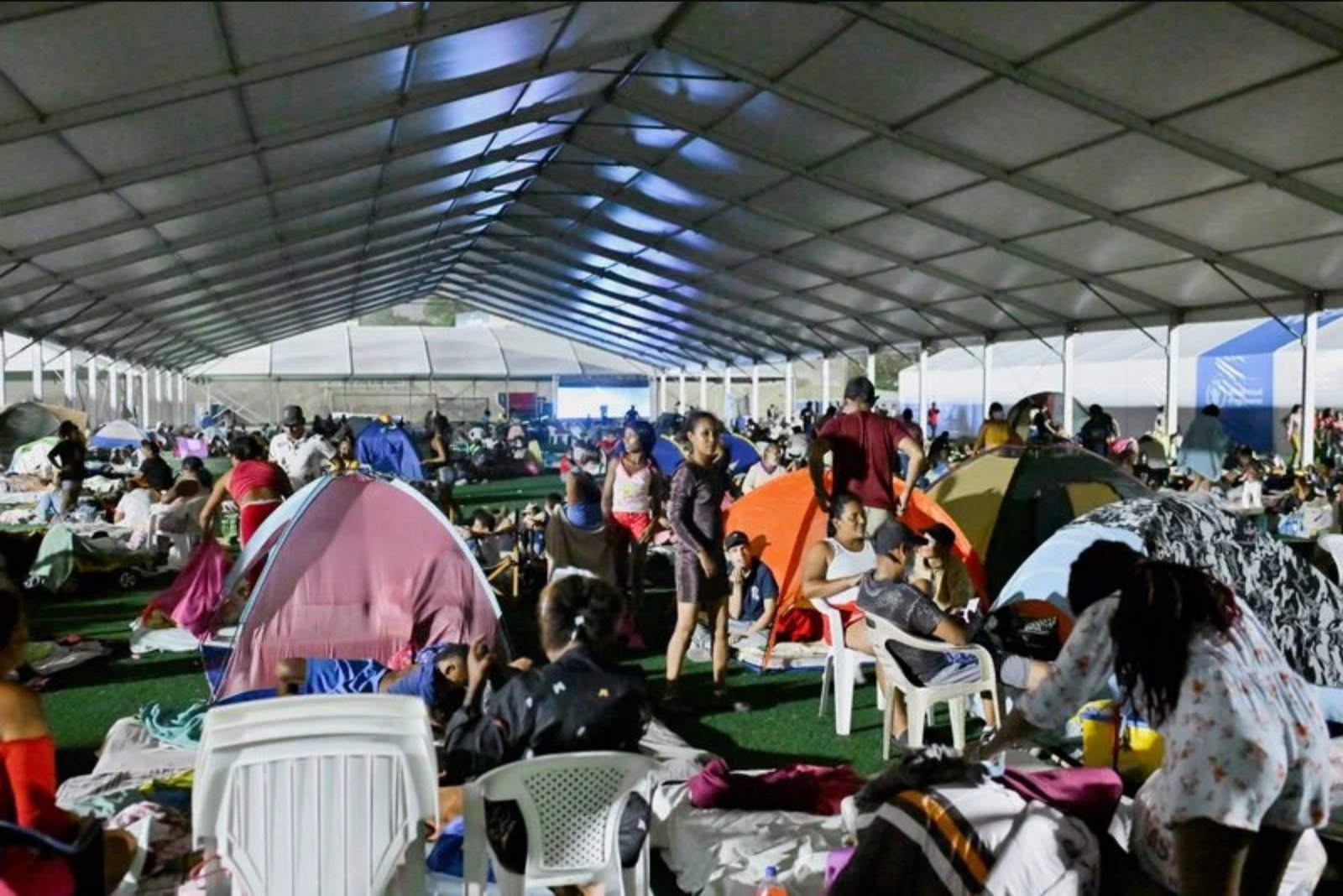
Large-scale displacement following the quakes leaves thousands living outside formal shelters or in temporary conditions. The WHO flagged that these displaced populations are at increased risk of infectious disease outbreaks, naming yellow fever and dengue specifically, particularly in the context of relatively low vaccination coverage.
The WHO assessment reflects preliminary findings and outlines multiple, concurrent pressures on the Venezuelan health sector: facility damage, workforce gaps in key specialities, overcrowded hospitals and the potential for vector-borne disease spread among displaced communities.
Context note: The observations presented by the WHO spokesperson were based on an initial survey of 21 health facilities; the agency described the findings as preliminary and indicative of significant operational strain.