
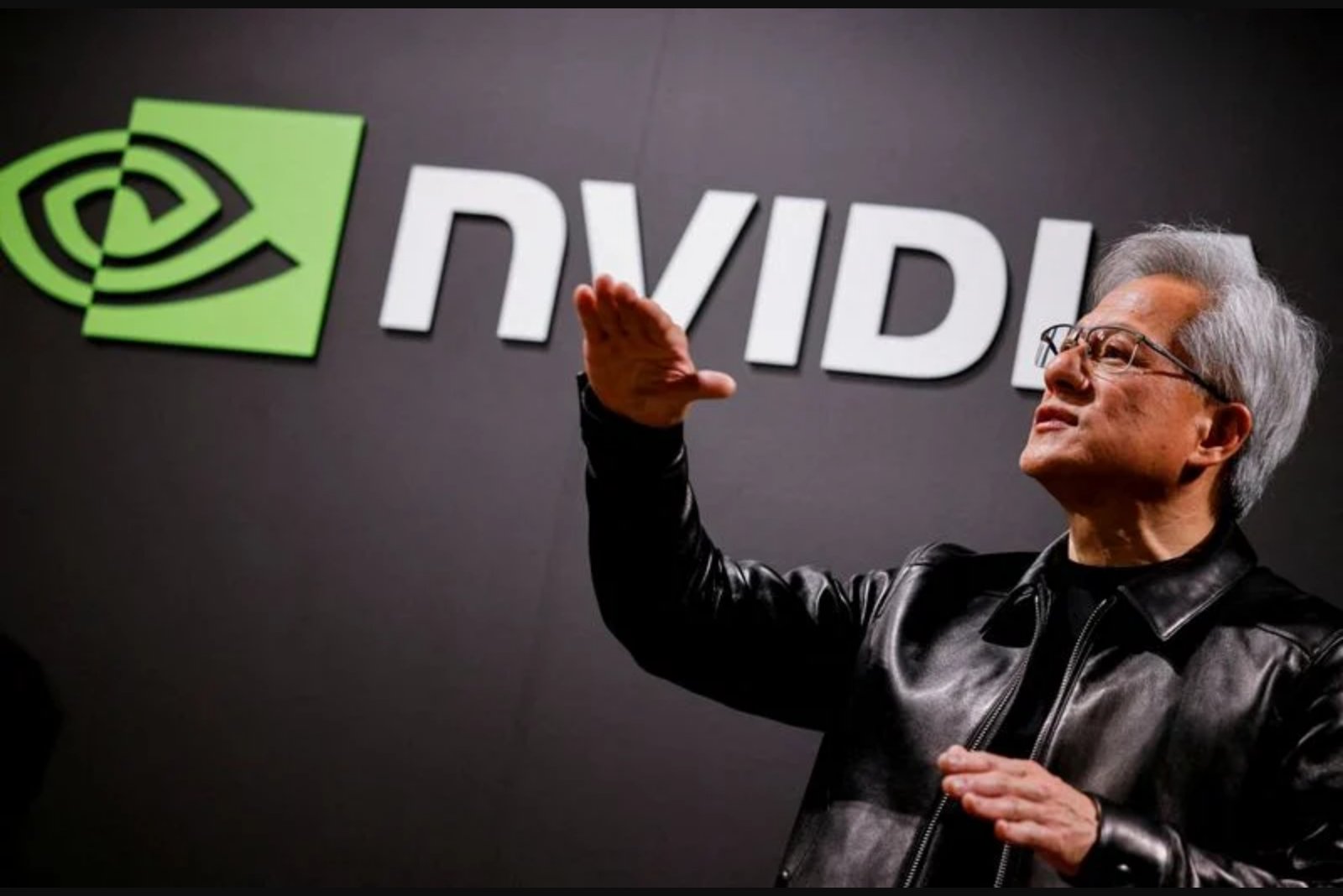
Nvidia’s latest quarterly update left little doubt about persistent demand for AI-related hardware and infrastructure. The chipmaker, described in market coverage as a $5 trillion power in the sector, again cleared analysts’ expectations in a report that sent its stock climbing nearly 5% in after-hours trading.
Central to the reaction was Nvidia’s disclosure that revenue from its data center business more than doubled over the last year. The company also provided an unusually forward-looking sales metric, projecting 70% sales growth in 2027, a figure that reinforced investor conviction in ongoing AI-driven expansion.
Market attention was not dented by reports that Nvidia is planning to buy the recently-hacked AI platform Hugging Face for $13 billion, which, according to coverage, did little to cool investor enthusiasm.
Beyond Nvidia, the tech sector saw additional pockets of strength. Business software firm Salesforce and cybersecurity specialist CrowdStrike reported upbeat results, with both companies seeing their shares jump by more than 10% in pre-market trade. Those gains helped propagate optimism across the AI chip and infrastructure complex, contributing to a 1.5% rise in South Korea’s chip-heavy KOSPI on Thursday. By contrast, Japan’s Nikkei slipped slightly after early gains were erased as supplier Advantest weighed on sentiment.
In other major corporate developments, Meta Platforms reached an agreement to pay up to $18 billion over the next decade and to impose stricter limits on how teenagers use Facebook and Instagram as part of a settlement resolving claims that its platforms were designed to addict children.
Macro news added a cautionary note. The U.S. Personal Consumption Expenditures (PCE) inflation gauge, the Federal Reserve’s preferred price measure, came in a touch hotter than economists had expected for the month. Annual rates on the headline and core PCE readings were reported at 3.7% and 3.3%, respectively. One element contributing to higher prices was memory chips, a component that the PCE index treats as having a larger weight than the consumer price basket.
The hotter-than-forecast PCE print arrives on the eve of the Federal Reserve’s annual Jackson Hole Economic Policy Symposium, where Chair Kevin Warsh is scheduled to deliver a keynote address tomorrow. The data offers little comfort to Fed officials preparing for the event and could affect expectations about near-term policy moves.
Oil markets moved in the opposite direction to much of equities, slipping lower as news emerged of expanded diplomatic talks among Gulf states. A senior Iranian source indicated Iran and Oman are working to finalise details of an agreement to control the Strait of Hormuz, an initiative that appears to have moderated immediate concerns about shipping disruptions.
In Europe, officials from the European Central Bank signalled preparedness to raise rates again next month, while suggesting limited appetite for further tightening thereafter. European bond markets were bracing for that prospective decision and for what may be a pressured government budget season in France and elsewhere.
Chart of the day coverage noted that Salesforce’s upbeat results and a disclosed tie-up with AI lab Anthropic sent its stock up by more than 10% overnight. The rise highlights a recovery in an area of the market that had been beaten down earlier in the year over concerns that rapid AI advances could undermine the business models of software-as-a-service companies. While the SaaS sector has reportedly recouped all of the losses suffered over the past year, it remains roughly 30% behind the S&P 500 in performance over the same interval.
Key events and market fixtures to watch include a mix of macro releases, auctions and corporate results that could add volatility in coming sessions:
- U.S. July trade balance and retail/wholesale inventories, weekly jobless claims and the Kansas City Fed’s August business survey
- Start of the Fed’s annual Jackson Hole Economic Policy Symposium in Wyoming
- U.S. Treasury auctions: $44 billion of 7-year notes; $70 billion of 5-year notes and $28 billion of 2-year floating rate notes
- Corporate earnings: Marvell, Workday, Autodesk, Best Buy, Hormel Foods, Dollar Tree, Dollar General
Together, the mix of strong AI-driven corporate results and a slightly hotter inflation signal creates a layered market backdrop: healthy earnings momentum in select tech pockets, but macro data that could complicate near-term policy expectations.