
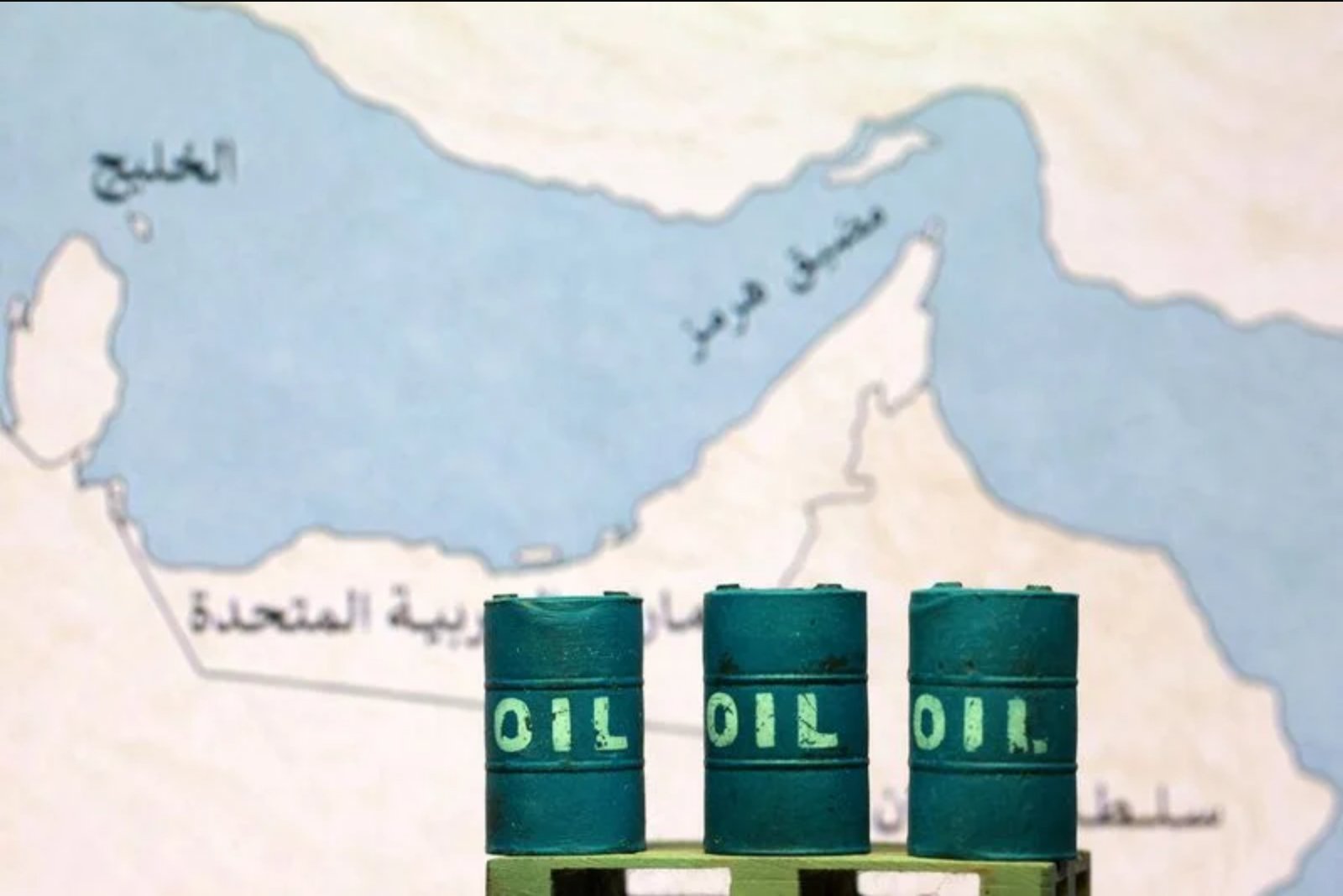
Global markets reacted strongly on Monday after the United States and Iran announced a preliminary memorandum of understanding that could lead to the reopening of the Strait of Hormuz following more than three months of near-total disruption. The initial reaction in asset prices was emphatic: oil prices retreated and equity indices rallied as investors priced in a reduction in the energy shock that has been feeding inflationary pressure worldwide.
The memorandum - whose exact provisions remain murky - was confirmed late on Sunday by U.S. President Donald Trump alongside Pakistani Prime Minister Shehbaz Sharif. The deal is scheduled to be formally signed on Friday in Switzerland, but many substantive topics have been deferred to further negotiations during a 60-day ceasefire period. That leaves significant uncertainty about the speed and extent to which normal commerce will resume.
President Trump wrote on social media that the strait would reopen toll-free and that the U.S. naval blockade would be removed, declaring: "Let the oil flow!" Those comments contributed to the market's upbeat tone. Yet restarting shut-in production facilities and repositioning tankers are operational tasks that cannot be completed instantly, and the episode has introduced extra caution among shippers that may slow a return to pre-disruption shipping patterns.
Market moves
Brent crude responded to the announcement by falling more than 4%, trading around $83 per barrel - its weakest level since early March. The drop followed weeks in which oil had been trading below $100 per barrel as market sentiment increasingly anticipated a diplomatic resolution despite intermittent military flare-ups.
Equities in energy-importing Asian economies showed marked gains: Japan's Nikkei rose about 5%, and South Korea's KOSPI also climbed roughly 5%. In the United States, futures on Wall Street were up by more than 1% ahead of the opening bell, and in Europe the STOXX 600 reached a record high. U.S. Treasury yields fell on Monday, with the 10-year yield touching a one-month low, and the dollar lost ground.
These moves reflect investor expectations that easing supply-side energy pressures could dampen inflation outlooks and temper wagers on more aggressive rate hikes. U.S. headline consumer price inflation most recently topped 4% in May, and energy-driven price rises over the prior three months had been an important contributor to higher inflation readings globally.
Policy calendar and implications
This development arrives before a string of high-profile central bank meetings this week. The Federal Reserve is due to convene on Wednesday for the first meeting with Kevin Warsh as chair. Policymakers are widely expected to leave the federal funds rate unchanged at 3.50%-3.75%, but investors will scrutinize the Fed's forward guidance to assess whether Warsh's apparent preference for easing in the near term influences the bank's communication and strategy. At the same time, a growing number of Federal Open Market Committee members have resisted a clear "easing bias" in policy language, and recent strong U.S. jobs data - including May's non-farm payrolls - could temper pressure to pivot policy quickly.
Before the Fed, the Bank of Japan meets on Tuesday and is expected to raise its policy rate to 1%, which would mark a 31-year high. The Bank of England is scheduled to meet on Thursday and is anticipated to keep rates steady. Market participants will be parsing these meetings for signs of how central banks balance evolving energy prices, inflation trends, and domestic economic data.
Other items on the agenda
Investors will also be watching the trading performance of the recently listed SpaceX stock after a 19% rise on Friday. The G7 summit began in France, drawing leaders to discuss global economic and political matters. May inflation releases for the UK and the euro zone are on the calendar this week, and in the UK a by-election on Thursday could shape a potential leadership contest between Prime Minister Keir Starmer and Greater Manchester Mayor Andy Burnham.
Finally, key U.S. data to watch includes May industrial production, scheduled for release at 9:15 a.m. EDT.
Context and caveats
While markets have moved to price in a rollback of the energy shock, the memorandum's lack of detailed public terms and the postponement of thornier issues - including discussions related to Iran's nuclear program - mean the current optimism could prove tentative. Practical considerations - from restarting shut-in oil facilities to repositioning the global tanker fleet - suggest that even if the strait reopens, logistical and trust-related frictions could delay a full return to prior levels of maritime traffic.
Investors and policymakers alike will be watching closely for follow-up details in the coming days and for how central banks interpret any change in energy price dynamics against the backdrop of recent labour and inflation data.