
Statistics Canada reported that Canadian wholesale sales excluding petroleum products and oilseed rose 0.6% in April 2026, reaching $89.3 billion. On an annual basis, wholesale activity was 6.3% higher than in April of last year.
The increase was not broad-based across all wholesalers but came from gains in five of seven subsectors, which together account for roughly 60% of total wholesale sales. The most notable advance occurred in the building material and supplies subsector, which climbed 4.3% in April to $12.7 billion. That marked the fourth month in a row of increases for the subsector.
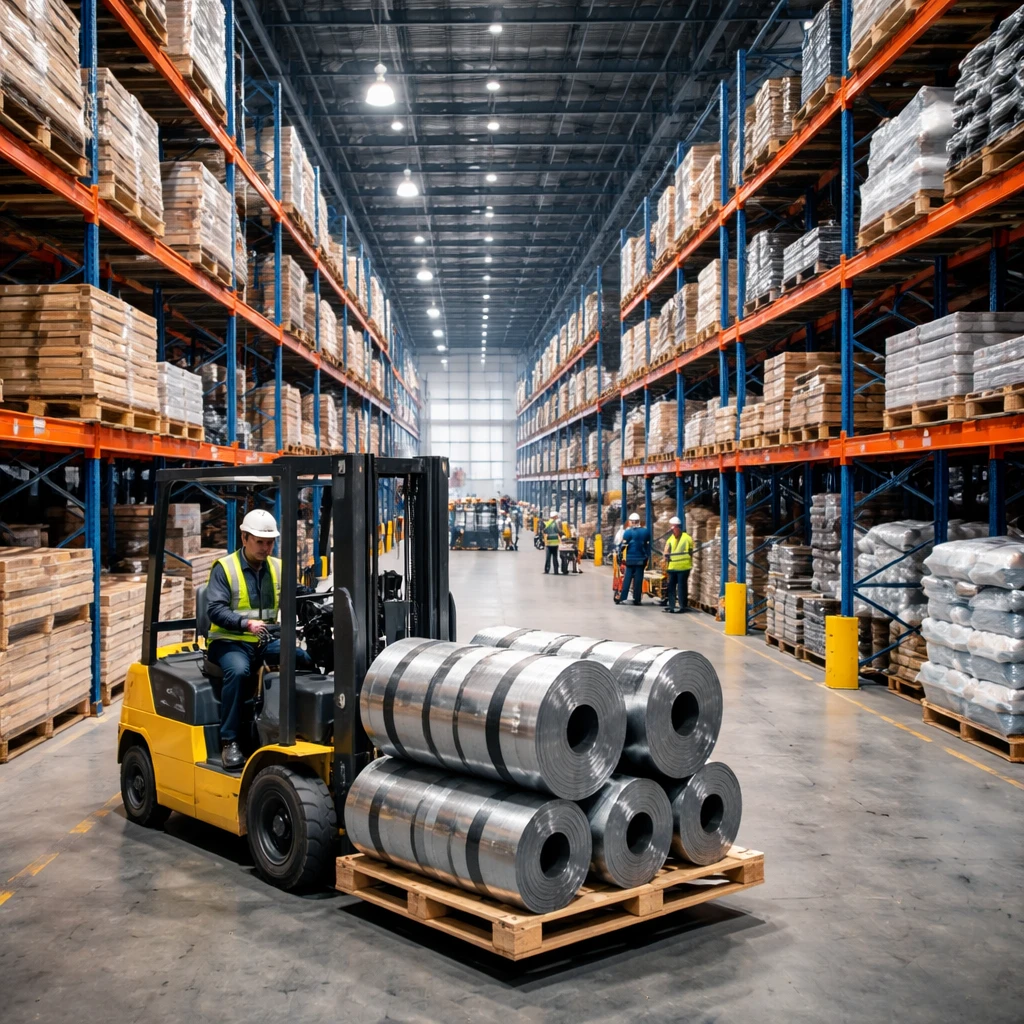
Within the building materials category, the metal service centres industry group was a principal contributor, with sales rising 14.1% to $2.3 billion on stronger transactions in steel products. The mineral, ore and precious metal industry group also posted a substantial increase, advancing 15.7% to $1.0 billion; the report singled out sales of gold, zinc and bauxite as the main contributors to that gain.
Not all subsectors expanded. The machinery, equipment and supplies subsector contracted by 1.2% to $19.3 billion in April, which moderated the overall advance in wholesale sales. Within that subsector, the computer and communications equipment and supplies industry group declined 4.1% to $5.8 billion. Despite the month-on-month dip, April 2026 still represented the second-highest monthly level on record for sales of machinery, equipment and supplies.
Provincial trends were mixed. Ontario recorded the largest absolute level of sales and posted an increase of 0.7%, bringing provincial sales to $46.5 billion. British Columbia posted the second-largest gain with a 2.5% rise to $8.4 billion. Conversely, Alberta saw sales fall 0.9% to $9.5 billion; that decline reflected a 4.3% drop in machinery, equipment and supplies sales in the province. Saskatchewan also recorded a downturn, with wholesale sales decreasing 2.1% to $4.0 billion.
Wholesale inventories increased 1.1% in April, rising to $139.9 billion. The motor vehicle and motor vehicle parts and accessories subsector accounted for a notable portion of the inventory increase, climbing 4.4% to $18.8 billion. The national inventory-to-sales ratio edged upward from 1.56 in the prior month to 1.57 in April.
Data highlights
- Total wholesale sales (ex. petroleum and oilseed): $89.3 billion in April 2026, +0.6% month-over-month.
- Year-over-year change: +6.3% compared with April 2025.
- Building material and supplies: $12.7 billion, +4.3% (fourth consecutive monthly increase).
- Metal service centres: $2.3 billion, +14.1%.
- Mineral, ore and precious metal group: $1.0 billion, +15.7%.
- Machinery, equipment and supplies: $19.3 billion, -1.2%; computer and communications equipment: $5.8 billion, -4.1%.
- Inventories: $139.9 billion, +1.1%; motor vehicle parts inventory: $18.8 billion, +4.4%.
- Inventory-to-sales ratio: 1.57, up from 1.56.