
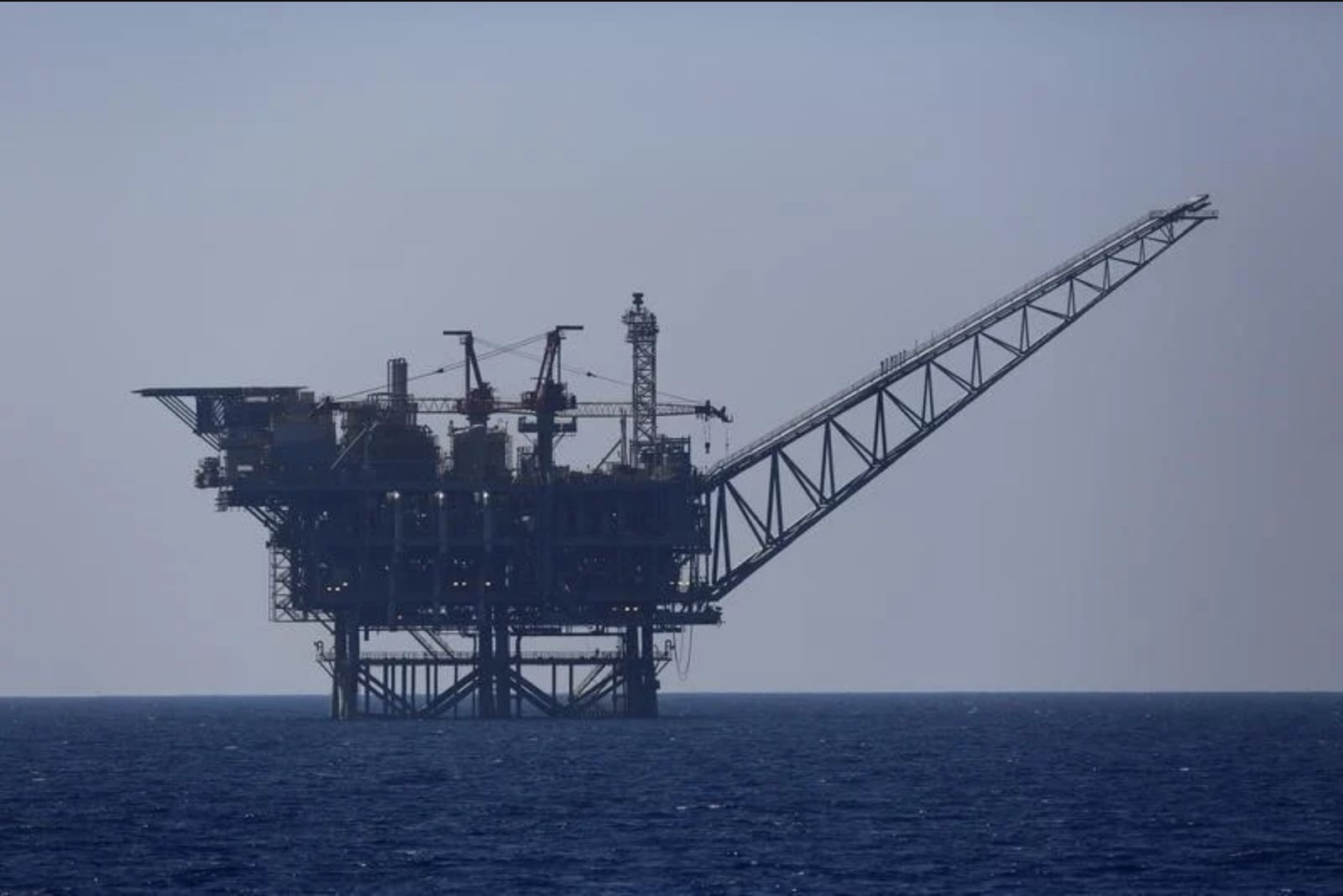
European wholesale natural gas markets registered gains on the day, yet both benchmark contracts were on course for their first quarterly declines in over a year as geopolitical risk premiums that built up during recent hostilities receded.
The front-month Dutch TTF contract, Europe’s benchmark, climbed 2% to 43.44 euros per megawatt-hour, positioning it for its first quarterly fall in six quarters. Britain’s comparable wholesale gas contract increased 2% to 104.57 pence per therm and was similarly headed for its first quarterly drop in five quarters.
Price drivers and market context
The recent easing reflects two main developments flagged by traders. First, maritime flows through the Strait of Hormuz - a critical shipping lane through which roughly one-fifth of global liquefied natural gas supplies transit - have stabilized following a period in which renewed attacks on vessels slowed traffic. Second, global crude benchmarks have drifted back to pre-war equilibrium levels, removing cross-commodity support that had been propping up European electricity and gas prices.
Diplomatic progress earlier this month produced a ceasefire that, combined with the recent normalization of ship movements, has allowed LNG vessels delayed by the disruption to resume journeys from major exporters. Industry participants cited key suppliers such as Qatar and the United Arab Emirates as origins for those delayed cargoes now heading toward international hubs.
Why sharper declines may be limited
Despite the quarter-to-date fall, market participants warned that additional downside could be constrained by tight physical fundamentals in Europe. Regional storage facilities are currently sitting at just under 48% capacity, a substantial decrease from 56.2% at the same point last year and below the historic five-year injection average of 61%. Traders see these storage realities as a floor that could prevent a deeper rout in prices even as geopolitical premiums unwind.
Near-term uncertainty
Negotiations and diplomacy remain in play: U.S. and Iranian officials are due to meet in Doha today for renewed talks, a process that market participants are watching closely for any developments that could influence maritime security and, by extension, energy flows. While the recent stabilization has eased some immediate supply concerns, the degree to which the market will reprice risk hinges on how durable the normalization of traffic proves to be.
Implications for markets and sectors
The simultaneous retreat in both crude and gas risk premia has removed a source of upward pressure on European power and gas markets, but tighter-than-normal inventories mean utilities, gas traders and energy-intensive industries remain exposed to supply-side volatility. Shipping and LNG logistics sectors will continue to factor into price dynamics as vessel schedules and transit security evolve.
Bottom line
European gas benchmarks can record quarter-on-quarter declines even as near-term price moves remain volatile. The stabilization of flows through the Strait of Hormuz and a reversion of crude to pre-war levels have been central to the reversal from earlier war-driven highs, but inventory shortfalls in Europe leave markets vulnerable to renewed shocks.