
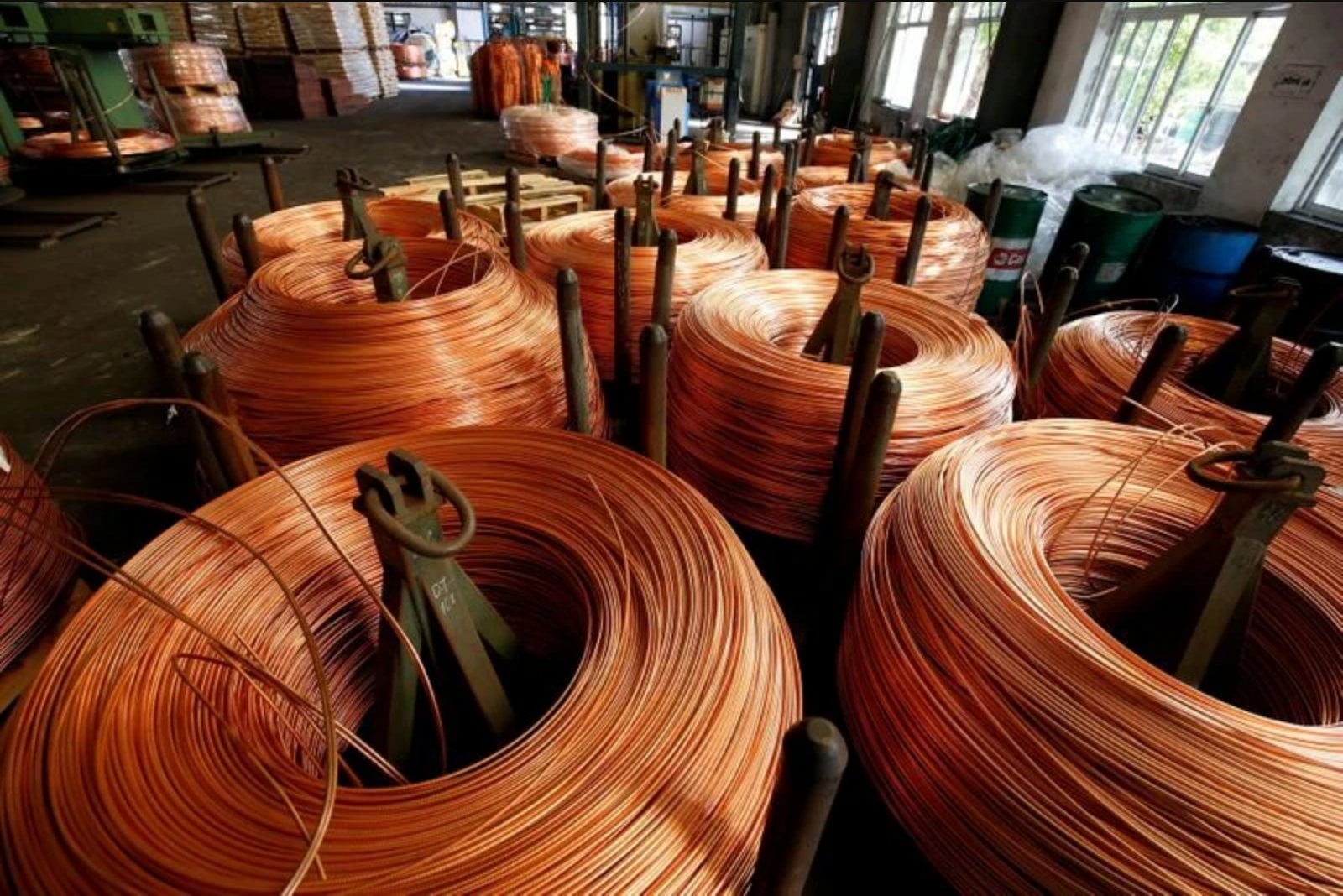
Copper slipped below the $12,000-per-ton threshold in early Monday trading, reflecting growing market unease around technology-sector prospects and broader macroeconomic factors. Benchmark three-month Copper Futures on the London Metal Exchange reached around $11,958.93 a ton during early trade, marking the weakest intraday level since March, before recovering to $12,240.50 a ton and registering a 1% gain by 03:40 GMT.
The recent downtrend follows a heavy selloff across technology shares, with companies tied to artificial intelligence feeling particular pressure. That rout prompted investors to reassess whether large-scale spending on data centres and the related infrastructure will deliver returns commensurate with the investments. Expectations earlier in the year that AI growth would underpin stronger demand for copper had helped lift prices, given the metal's broad use in power grids, construction and data-centre infrastructure.
Last week the metal declined by roughly 9%, its sharpest weekly fall in more than 19 months. Market participants also pointed to a firmer U.S. dollar and mounting expectations of additional Federal Reserve tightening as contributors to the move. A stronger dollar tends to place added pressure on dollar-priced commodities by making them more expensive for buyers who use other currencies.
Traders and analysts say attention will remain focused on three key areas for further direction: developments in U.S. monetary policy, demand from China, and shifts in global trade flows. Each of those elements could influence near-term pricing and risk sentiment in the copper market.
For now, price action illustrates how a combination of sector-specific worries - notably doubts about AI-driven capex - and macroeconomic dynamics - including currency strength and interest-rate expectations - can interact to move industrial metal markets. Market watchers will be monitoring incoming data and policy signals for clues on whether the recent weakness will persist or reverse.