
Oil prices edged lower on Monday as risk aversion in global financial markets pulled commodities down, but ongoing attacks on shipping in the Gulf and a claimed strike on a Saudi refinery prevented steeper falls.
By 0216 GMT, Brent crude futures were down 28 cents, or 0.30%, at $92.29 a barrel. US West Texas Intermediate futures fell 15 cents, or 0.18%, to $83.26 a barrel. Both benchmarks have added to losses from last week - Brent declined 4% and WTI fell 5% over the prior week.
Equity market turbulence was a central driver of the move. Asian markets opened lower on Monday, with the tech-heavy South Korean market down 4%, and major exchanges in China, Hong Kong and Australia also falling. US equities had already seen sharp weakness the previous week, with the Nasdaq plunging 10%.
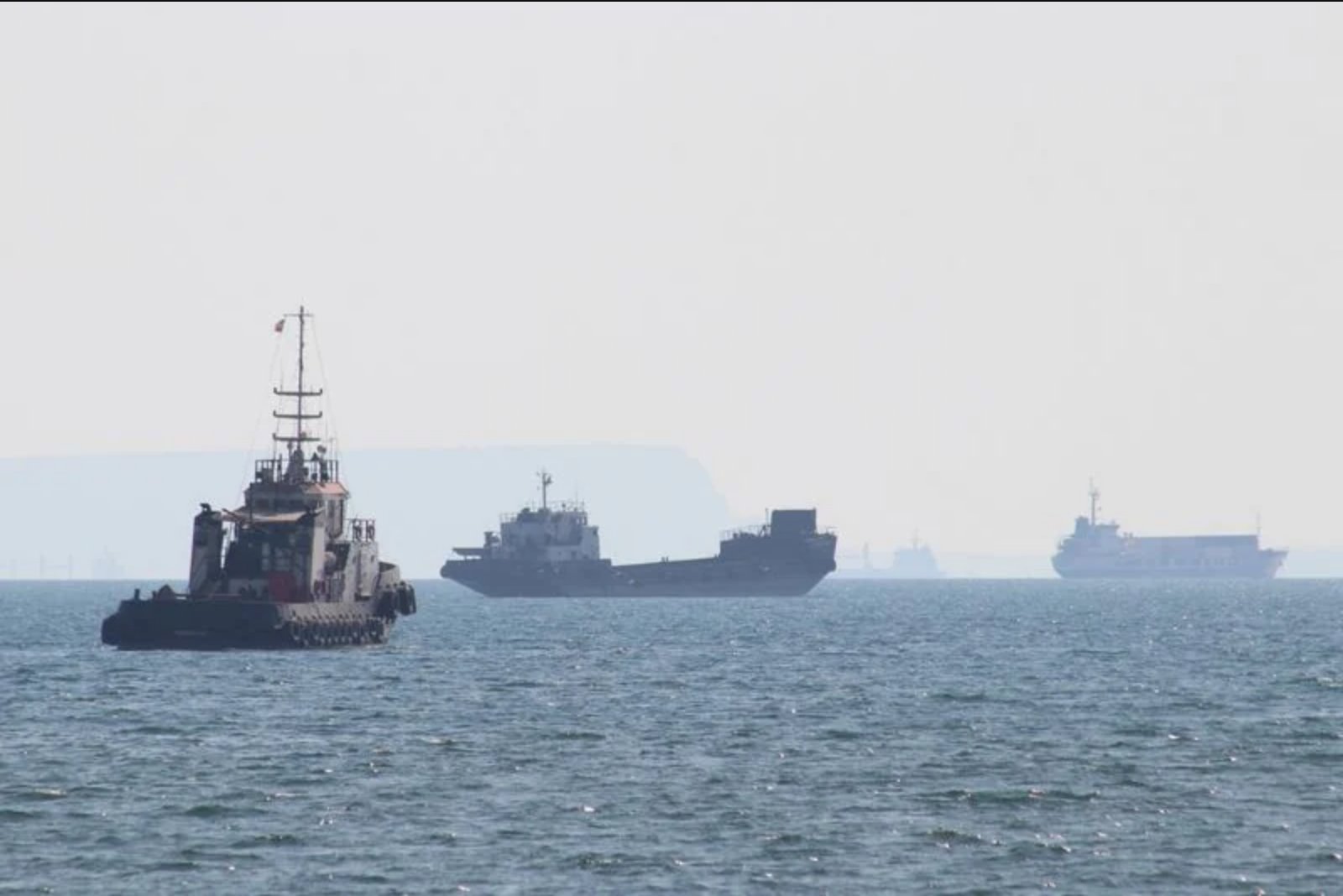
Market participants pointed to broad negative sentiment in financial markets as the immediate pressure on oil. "It’s momentum carrying (oil) down," said Mukesh Sahdev, chief oil analyst at Sydney-based XAnalysts. He added a caveat tied to regional security: "But he cautioned that the shipping attacks are having an effect as 'ballast (empty) vessels counts are building in crude while laden vessels are not. This risk to flows will start to price soon.'"
Security developments in the Gulf have imposed a restraining influence on how low crude can fall. Over the weekend multiple attacks on shipping in the Gulf and near the Strait of Hormuz were reported, and the Iran-aligned Houthi movement said it had attacked a Saudi Arabian oil refinery. The broader conflict involving the United States and Israel against Iran remains unresolved, and the fighting continues to be a factor that limits downward pressure on oil.
Policy and diplomatic developments
Diplomatic dynamics at the global climate summit influenced sentiment around fossil fuel demand and policy. Talks at COP31 in Turkey collapsed on Sunday for the first time since 2009 after delegates could not agree on whether to include language on phasing out fossil fuels in the final text. According to observers at the summit, Saudi Arabia and other large oil-producing countries lobbied against including references to fossil fuels in the text, arguing that hydrocarbons will remain part of their economies for the foreseeable future.
Representatives of OPEC have defended fossil fuel use at the summit. Separately, OPEC+ ministers are scheduled to hold a series of meetings on November 29 to decide output policy for 2027. The group includes members of the Organization of the Petroleum Exporting Countries and allied producers such as Russia.
Implications for markets and sectors
The selloff in equities, particularly in technology-heavy indices, appears to be spilling over into commodity markets, exerting downward pressure on crude. At the same time, disruptions to shipping and regional security risks provide a countervailing force that supports prices and raises the prospect of supply-side sensitivity moving forward.
Traders and analysts will be watching both the evolution of geopolitical tensions in the Gulf and the outcome of the scheduled OPEC+ meetings later this month for signals on future supply policy and market balance.
Bottom line - Weakness in global equities drove a near-term pullback in crude prices, but continued maritime attacks and regional conflict-related risks have limited the extent of the decline and kept markets attentive to potential disruptions to flows.