
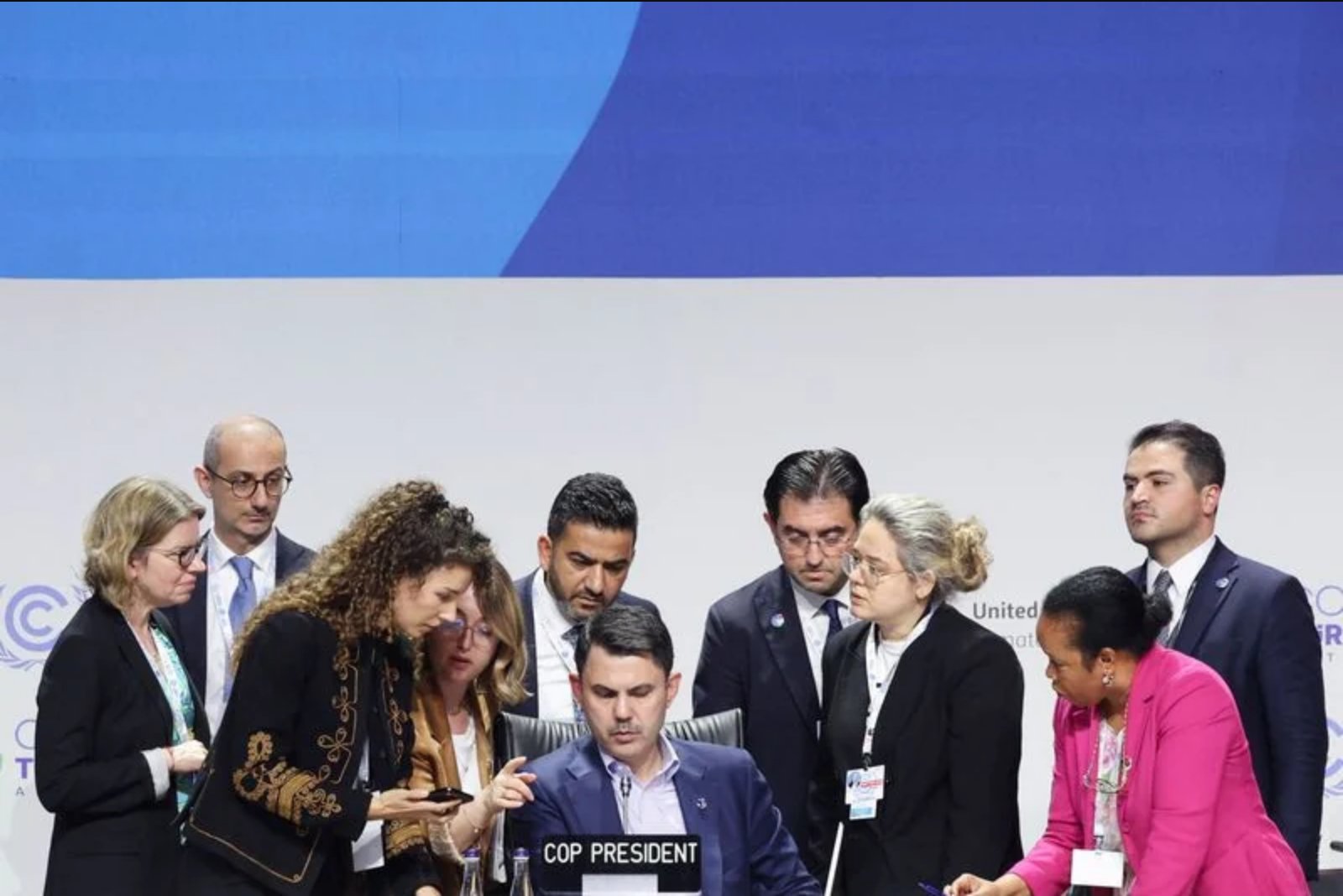
ANTALYA, Turkey - As COP31 edged toward its final hours on Sunday, the fate of a formal agreement remained uncertain after protracted negotiations that highlighted sharp differences among participating countries. The talks centered on three primary points of contention: the pace of the clean-energy transition, the role of carbon capture, and the level of financial assistance for developing nations.
Delegates exchanged strongly held positions across those topics, and negotiators spent the closing period attempting to reconcile divergent national priorities. Observers in the hall described an environment of intense give-and-take as parties sought language that could gain broad acceptance without delivering everything any single delegation had sought.
"No party approached the document solely with its own priorities; rather, through consensus, a text was crafted in which everyone can see themselves reflected. While no one obtained everything they might have desired, everyone can find a place for themselves within this text - that is the very essence of consensus. I hope that the decision emerging from this hall will demonstrate to the world that multilateralism is still capable of yielding results."
- COP31 President Murat Kurum
The president's statement framed the outcome as a negotiated compromise, emphasizing consensus over unilateral wins. At the same time, the meeting's near-close status and the reported divisions underline that a final decision was not guaranteed as delegations continued to haggle over wording and commitments.
Key areas of dispute included how quickly countries should accelerate their shift to cleaner energy sources, what role technologies that capture and store carbon should play in future plans, and the extent and mechanisms of financial support directed to developing countries to help them manage the energy transition and adapt to climate impacts. These three issues repeatedly surfaced in negotiating rooms and were central to the remaining disagreements.
The discussions and the account offered by the conference president indicate that negotiators produced a draft text intended to reflect a wide range of interests. However, the presence of unresolved disagreements at the session's close means the adoption of a definitive COP31 decision was still in question.
With talks entering their final phase, delegates and observers awaited whether the draft would secure sufficient backing to be adopted, or whether outstanding divisions would prevent a formal consensus decision by the conclusion of the summit.