
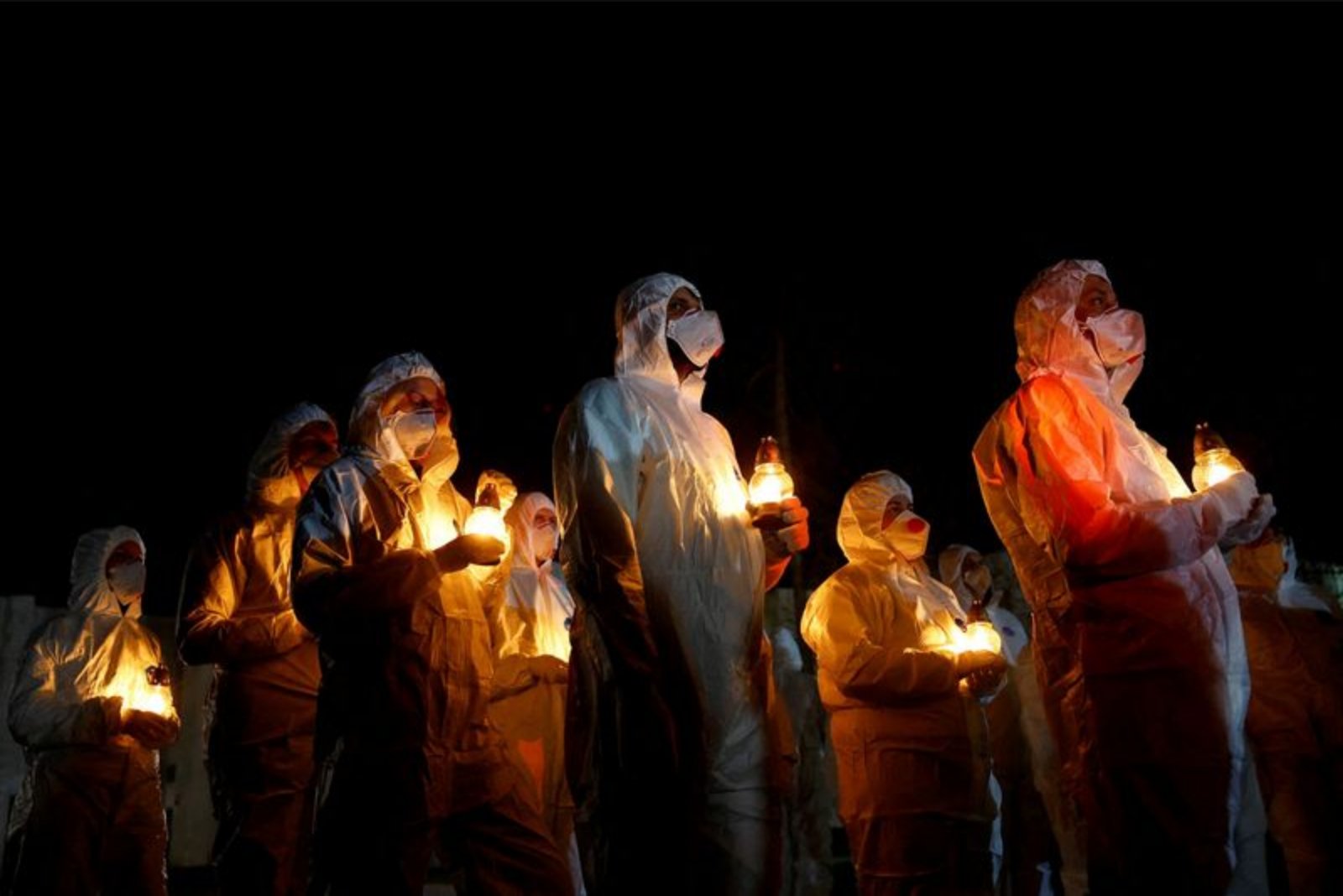
On April 26, Ukraine marked four decades since the explosion and meltdown at reactor four of the Soviet-built Chornobyl nuclear power plant. The commemoration carried a heightened sense of urgency this year as the plant sits within a theatre affected by a prolonged conflict that Kyiv says has repeatedly threatened the site.
Kyiv's foreign ministry reiterated its long-standing position that the original disaster was caused by an experiment ordered from Moscow that violated safety protocols and was followed by attempts to conceal the scale of the catastrophe. That official statement emphasized the continuing global implications of decisions made under a totalitarian system that subordinated scientific truth to political aims.
The 1986 accident sent radioactive material across much of Europe, causing widespread exposure, forcing hundreds of thousands to abandon their homes, and contaminating large tracts of land. Millions were exposed to varying levels of radiation, and thousands have since died from illnesses linked to that exposure, including radiation-related cancers. The total death toll and the full scope of long-term health effects remain contested and intensely debated.
International efforts have aimed to secure the site and limit further contamination. In 2016, a large steel-and-concrete protective arch was installed to encapsulate the hastily constructed sarcophagus that covered the damaged reactor and its radioactive debris. Officials reported that a Russian drone strike in February 2025 punctured the hermetic seal of that arch. Although no immediate leaks were detected, the European Bank of Reconstruction and Development has estimated that at least 500 million euros in repairs are required to prevent permanent damage to the structure.
Kyiv's top state prosecutor this week told reporters that Ukrainian radar systems had recorded at least 92 Russian drones flying within a five-kilometre (3-mile) radius of the protective shield since June 2024. Authorities have also said missiles and drones have taken flight paths near the plant that suggest strikes were aimed at intimidation or at damaging critical infrastructure, including an attack last year that damaged the protective shield.
Security concerns have led officials to avoid publishing details of memorial events in advance. The plant, roughly 100 km north of Kyiv, is encompassed by a 2,600-square-kilometre exclusion zone. Observers who visited the facility this week described an expansive, quiet landscape of woodland around the site, punctuated by patrols from National Guardsmen. Approximately 2,250 staffers work in extended shifts at the site to manage its slow decommissioning; the final reactor at the complex was shut down in 2000.
Physical reminders of the disaster are stark. The control room for reactor four is now a dim, decaying space filled with rusted Soviet-era equipment. Nearby, the abandoned city of Prypiat sits largely reclaimed by nature. Moose and wild horses roam areas once densely populated by residents, a visible sign of how human absence has allowed flora and fauna to reestablish themselves across contaminated zones.
Officials and international institutions continue to emphasize the need to maintain the integrity of containment measures at Chornobyl, given the long-lived nature of the radioactive materials present and the potential consequences of structural damage. At the same time, unresolved debates about the full health toll of the 1986 accident persist.
Commemoration this year blended remembrance with security concern: the anniversary served as both a moment to recall those affected by the original disaster and as a reminder of ongoing vulnerabilities tied to military activity in the area. With the protective arch requiring substantial repairs and reports of repeated drone approaches, authorities say the plant remains a focal point for both environmental and security risks.