
World May 19, 2026 03:09 AM

Taiwan Says It Is 'Cautiously Optimistic' as U.S. Considers Further Arms Sales

Defence minister stresses continuity of U.S. policy and legal obligations amid Taipei’s concerns after recent Trump-Xi meeting

By Jordan Park

Taiwan’s defence minister expressed cautious optimism about prospective U.S. arms transfers after U.S. President said he was still weighing new sales. The comments come amid concern in Taipei following a recent meeting between the U.S. and Chinese leaders. Taipei reiterates that Washington’s policy toward Taiwan has not changed and points to legal obligations under the Taiwan Relations Act.

Taiwan Says It Is 'Cautiously Optimistic' as U.S. Considers Further Arms Sales

Key Points

  • Taiwan’s defence minister said he is "cautiously optimistic" about further U.S. arms sales while talks continue with Washington - sector impact: defence contractors and aerospace manufacturers.
  • The U.S. has previously authorised an $11 billion arms package in December, with a second package worth roughly $14 billion not yet formally approved - sector impact: defence procurement and regional security suppliers.
  • Taipei cites the Taiwan Relations Act as the legal basis for ongoing U.S. arms transfers and frames such sales as a counterbalancing force to preserve stability in the Taiwan Strait - sector impact: geopolitical risk assessment for markets exposed to the region.

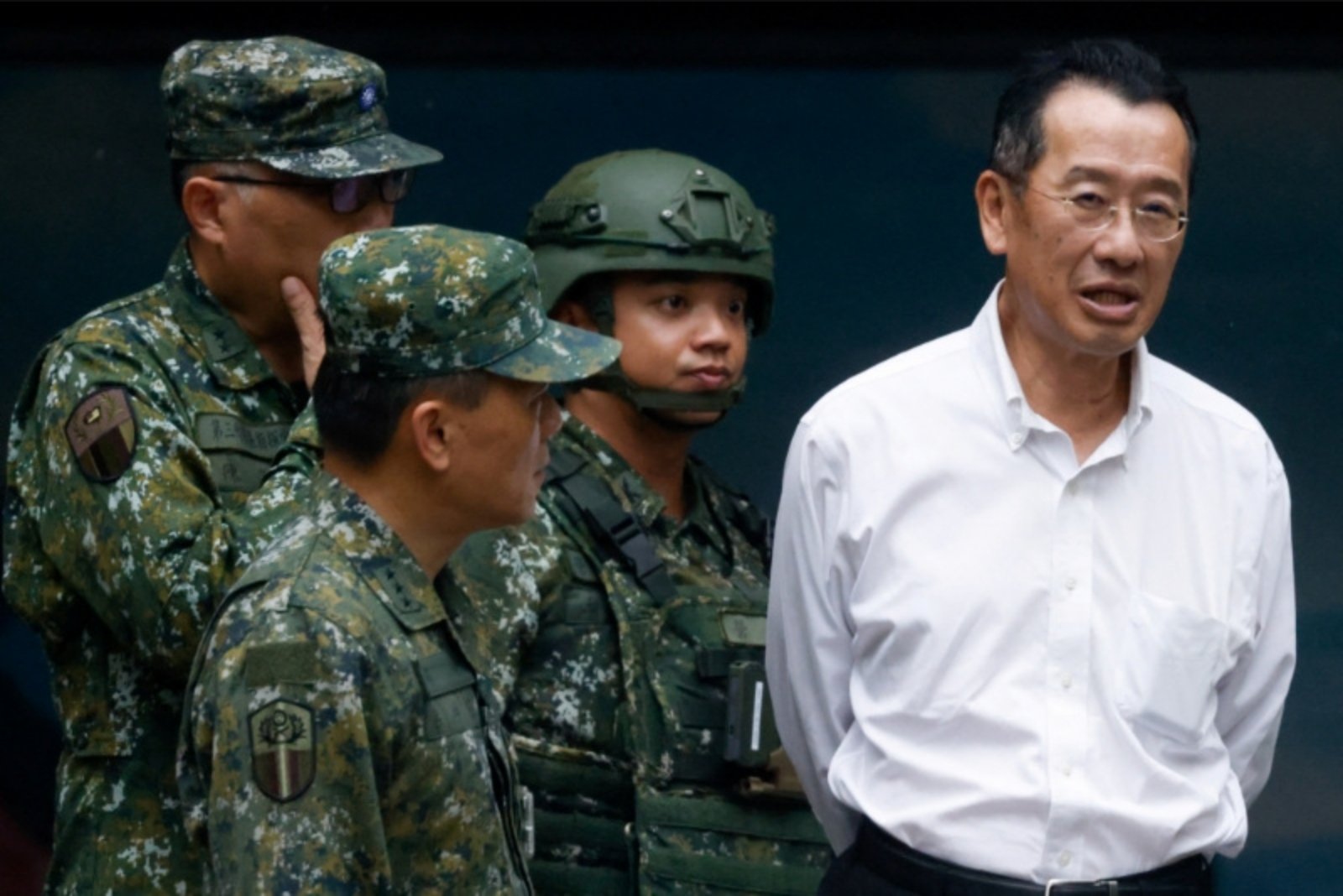
TAIPEI - Taiwan’s Defence Minister Wellington Koo said on Tuesday that he was "cautiously optimistic" about potential arms sales from the United States, after President Donald Trump indicated he was still considering whether to proceed with additional transfers to the Chinese-claimed island.

Koo spoke to reporters in parliament, addressing heightened unease in Taipei following last week’s meeting between Trump and China’s Xi Jinping, during which Taiwan was a topic of discussion. That meeting has prompted questions in Taiwan about the level of U.S. commitment to supporting the island’s defence capabilities.

Under U.S. law, the United States is obliged to provide Taiwan with defensive weapons, and in December the Trump administration authorised an $11 billion arms package, described at the time as the largest such sale. A second package estimated at around $14 billion had been announced but not formally approved.

Responding to reporters, Koo said the United States has consistently stated its Taiwan policy remains unchanged. He invoked the Taiwan Relations Act - the 1979 law that mandates arms sales - noting how arms transfers have long been a channel through which the United States contributes to peace and stability in the Taiwan Strait.

"For a long time, the United States has maintained peace and stability in the Taiwan Strait region through arms sales channels. This was established under the Taiwan Relations Act," Koo said in parliament.

He described weapons sales as an important "counterbalancing force" for upholding peace and stability in the strait, reiterating Taipei’s view that Beijing is the party repeatedly provoking incidents and undermining the peaceful and stable status quo there. "It is clear that the side repeatedly provoking, creating incidents and undermining the peaceful and stable status quo in the Taiwan Strait is China, not our country," he said.

Koo added that, given those circumstances, Taiwan believes maintaining the arms-sales channel aligns with U.S. interests. He said Taipei continues to engage with the United States on the matter and that "at present, we remain cautiously optimistic."

Separately, Taiwan’s government continues to reject Beijing’s sovereignty claims over the island, stating that only the people of Taiwan can determine their own future.

Risks

  • Uncertainty over whether the U.S. will proceed with additional approvals after the president said he was still considering new sales - risk to defence equipment suppliers and firms with exposure to regional security contracts.
  • Diplomatic developments following recent U.S.-China discussions could affect perceptions of Washington’s commitment, creating market and policy uncertainty in sectors tied to defence and regional stability.
  • The unresolved status of the second, roughly $14 billion arms package (not yet formally approved) introduces timing and approval risk for contractors and procurement schedules.

More from World

EU set to remove U.S. import duties as final talks aim to meet Trump’s tariff deadline May 19, 2026 Tehran Says Peace Offer Seeks U.S. Troop Pullback and Reparations for War Damage May 19, 2026 Child Describes Hiding in Closet as Fatal Shooting Erupted Outside Southern California Mosque May 19, 2026 Russian Strike Damages Izmail Port Infrastructure as Kyiv Launches Drones Toward Moscow May 18, 2026 U.S. Charges Maduro Ally Alex Saab with Money Laundering Over Welfare Scheme May 18, 2026