
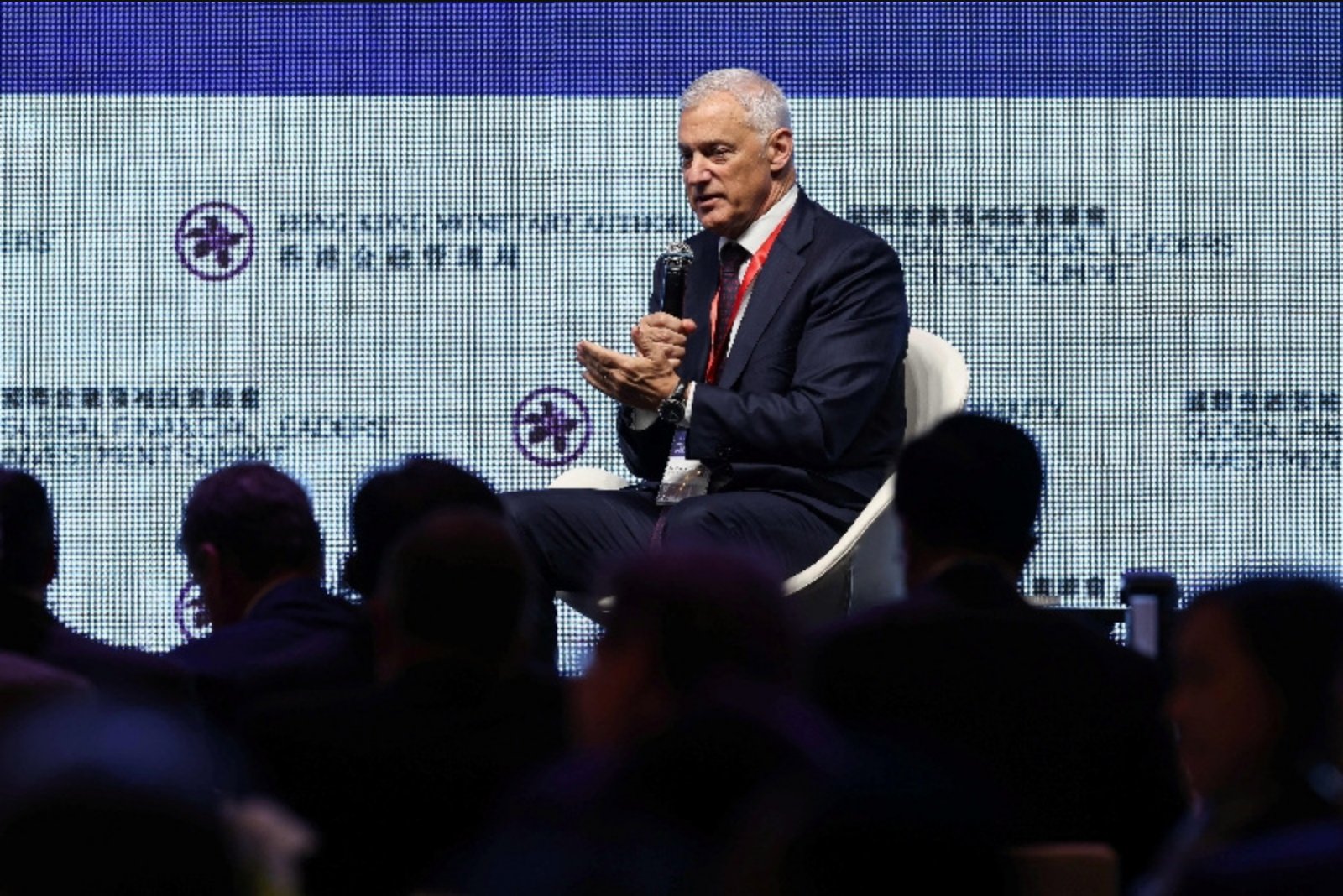
HONG KONG, May 19 - Standard Chartered CEO Bill Winters said on Tuesday that Kevin Warsh, who is set to become chair of the U.S. Federal Reserve, will face a challenging environment and what Winters described as a "difficult boss." Winters highlighted competing pressures on Warsh - rising consumer prices on one hand and political expectations for rate cuts on the other.
"Inflation is stubbornly high and unlikely to come down, but he’s got the political environment (in which) he will be criticised if he doesn’t cut rates," Winters told reporters in Hong Kong. He added: "He has got a difficult boss but you know he (Warsh) is a serious guy."
Warsh is due to be sworn in as U.S. Federal Reserve chair on Friday by President Donald Trump. Trump selected Warsh to lead the U.S. central bank following the conclusion of Jerome Powell’s term.
Winters’ remarks come as official data show U.S. consumer prices continued to climb. U.S. CPI increased 3.8% in the year to April - the largest annual rise in three years - with the report noting higher energy prices after the U.S.-Israeli war with Iran.
Within the Fed, some policymakers have already voiced concern about the elevated level of inflation. Those officials want the Fed’s policy statement to convey the possibility of rate increases rather than rate reductions.
Market expectations remain mixed. Current market pricing assigns roughly a 60% probability that the Fed will raise rates by the end of the year.
Context and implications
- Winters emphasised the tension between persistent inflation and political pressure for rate cuts.
- Warsh’s confirmation and imminent swearing-in set the timing for when those pressures will be confronted at the central bank’s highest level.
- Recent CPI data pointing to a 3.8% year-on-year rise and the role of energy prices were highlighted as central considerations for policy deliberations.
The comments from Winters underscored the constrained policy choices facing the new Fed chair amid public and political scrutiny, elevated consumer price readings, and evolving market expectations about the path of interest rates later this year.