
EU negotiators planned a final round of talks starting at 9 p.m. (1900 GMT) to try to clear outstanding objections and adopt measures required to put into effect the trade deal made with the United States last year at Turnberry, Scotland. The legislation under discussion would see the European Union remove import duties on U.S. industrial goods and extend preferential market access to American farm and sea produce, in line with the bilateral arrangement.
Under the arrangement struck at Turnberry, the United States agreed to levy tariffs of 15% on most EU goods, while the EU committed to eliminate its import duties on specified U.S. items. Nearly 10 months after that agreement, the legislative text needed in the European Parliament and the Council representing member governments has not yet been finalized, leaving implementation pending.
Officials involved in the negotiations said they were confident a deal could be reached late on Tuesday or in the early hours of Wednesday. The remaining stumbling blocks center on safeguards intended to protect the EU in case the United States fails to follow through. These safeguards have produced a divide between lawmakers in the European Parliament and representatives of EU governments.
EU lawmakers have pushed for several protective elements. They want a so-called sunrise clause that would condition the EU duty reductions on the United States first delivering its commitments. They also seek the ability to suspend the deal if the United States breached its obligations, and a sunset clause that would terminate the EU tariff concessions on March 31, 2028.
By contrast, many member state governments have been reluctant to include these measures in the legal text. Their concern, as expressed in the talks, is that adding such clauses could antagonize the Trump administration and introduce uncertainty for European businesses that would rely on the new trading conditions.
The negotiations carry timing pressure because U.S. President Donald Trump has set a July 4 deadline for the EU to implement the commitments from the Turnberry deal. He has warned that, absent action, he would impose higher tariffs on EU imports, including an earlier threat to raise duties on car imports from 15% to 25%.
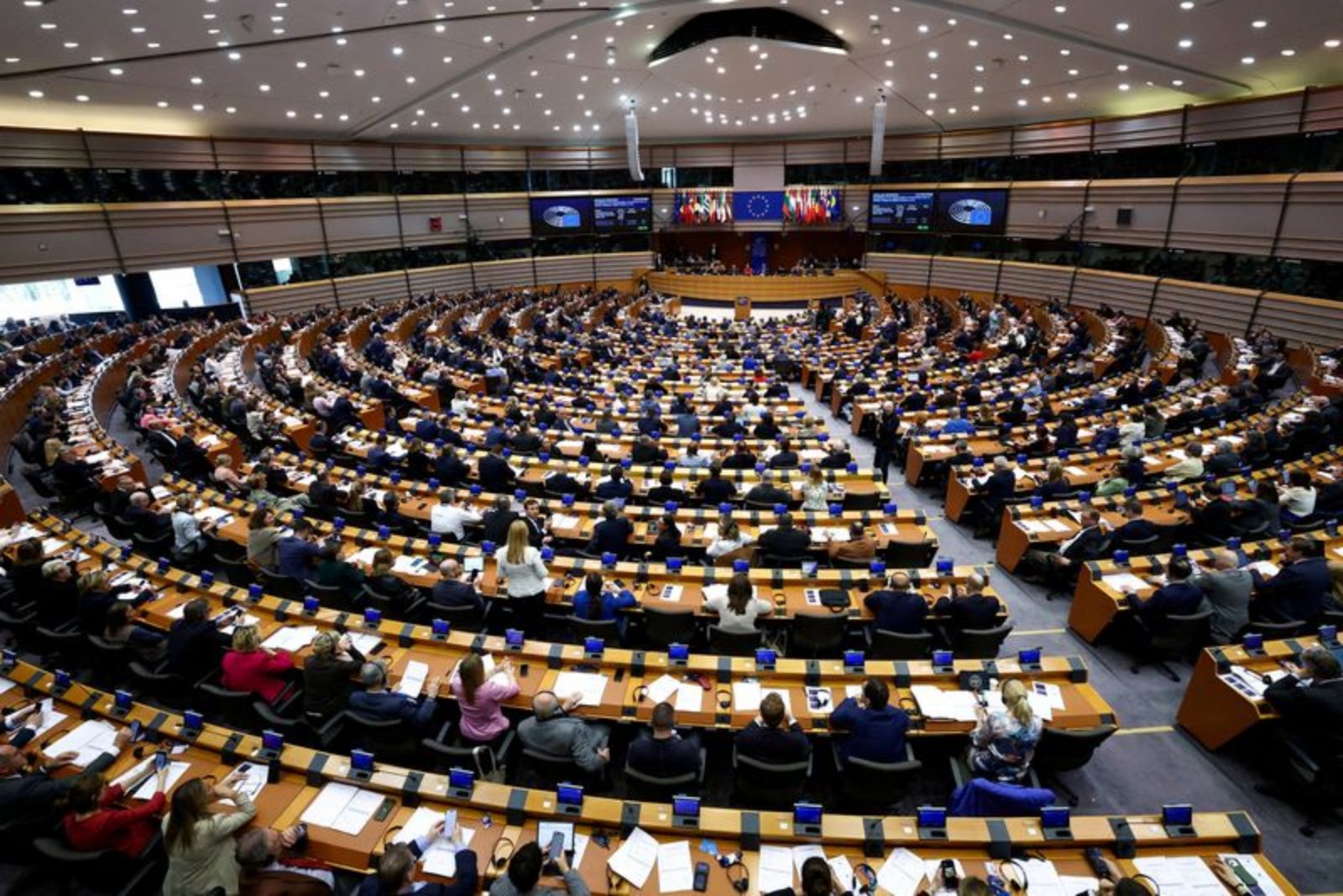
Parliamentary procedure requires a final vote to give the legislation legal effect. Assuming the negotiators reach agreement in the late-night session, EU officials expect to meet the July 4 deadline, with the European Parliament then scheduling a final vote of approval in mid-June.
The path to this point has already seen delays. EU lawmakers twice paused progress on the required legislation after two separate U.S. actions raised tensions: threats from President Trump to impose new tariffs on European allies who did not support his proposed acquisition of Greenland, and a U.S. Supreme Court decision that struck down his global tariffs. Those events contributed to earlier caution among legislators.
With negotiators reconvening, the focus remains on balancing the political need to avoid steep U.S. tariff hikes and the legislative desire for mechanisms that would safeguard EU interests if the United States were to renege on its commitments.