
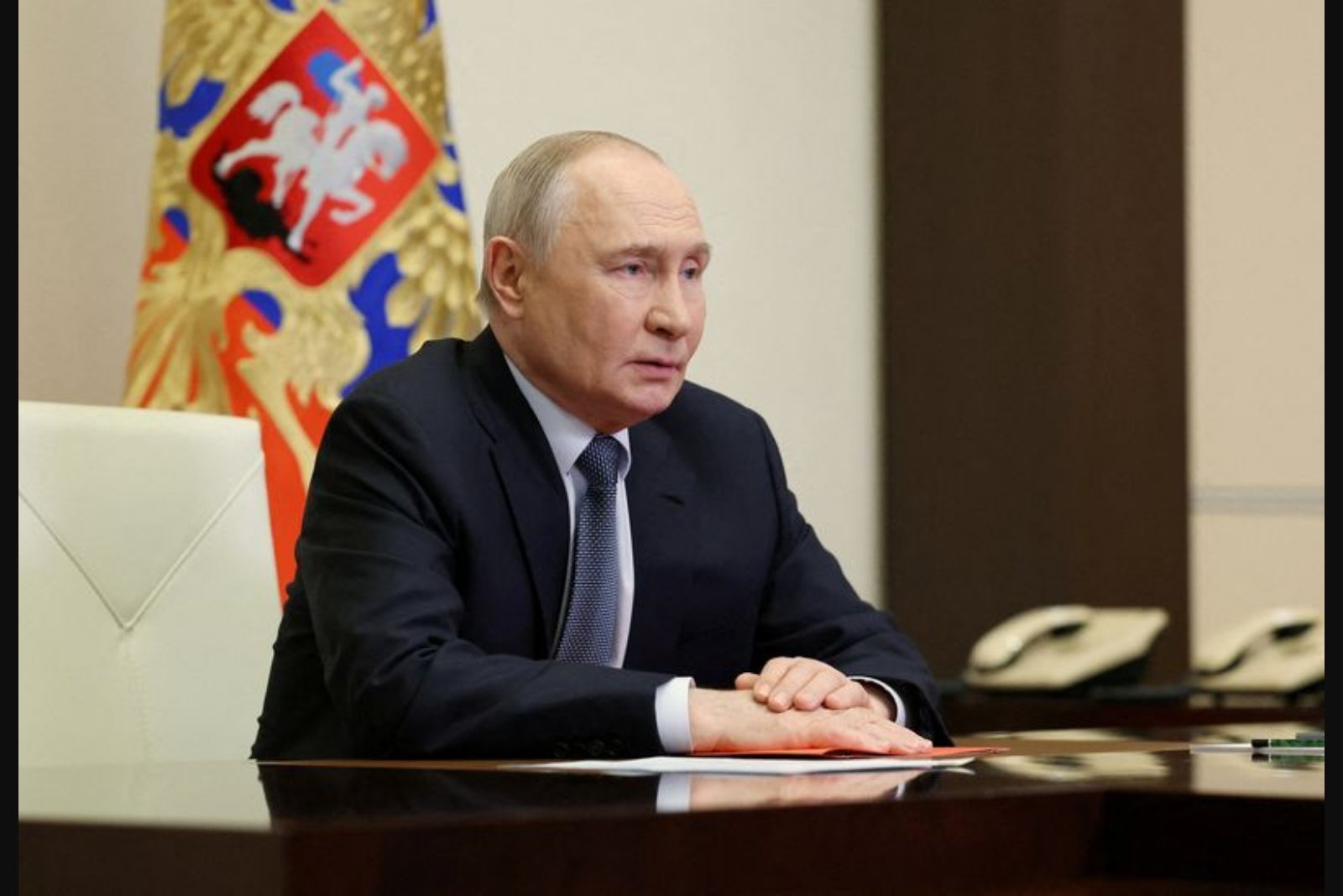
Russia’s leader Vladimir Putin recorded a one-week-after-another decline in public approval, with the state-run pollster VTsIOM reporting a drop to 65.6% - the lowest level recorded since the start of the invasion of Ukraine in February 2022. The figure marks the seventh consecutive weekly fall in support for the president, who remains one of the country’s longest-serving rulers.
VTsIOM’s data shows a notable fall from March, when approval stood at 73.3%. Parallel to that shift, public trust in Putin has decreased from just above 77% to 71% over the same period, according to the pollster. The polling house attributed the moves in public sentiment to recent developments but did not provide a definitive single cause.
Putin has governed Russia in the role of either president or prime minister since 1999, having been appointed acting president by Boris Yeltsin eight years after the fall of the Soviet Union. A former KGB lieutenant colonel who was based in East Germany at the time of the Soviet Union’s collapse, Putin is positioned to become the country’s longest-serving ruler since Empress Catherine the Great if he completes his current six-year term, surpassing Josef Stalin in tenure.
While the recent numbers remain high compared with many Western leaders, the trend has worried some observers at home. Last week, Putin instructed senior officials to design measures aimed at jump-starting the Russian economy after official figures showed a contraction in the first two months of the year. At the same time, curbs on mobile internet services, messaging platforms and the use of virtual private networks have provoked frustration among many citizens in recent months.
Addressing the outages, Putin said on Thursday that the disruptions were necessary on security grounds but added that law enforcement bodies must show "ingenuity" in finding solutions that guarantee the functioning of vital services. The comment came as authorities wrestle with how to balance security measures with the need to maintain day-to-day connectivity for businesses and individuals.
The accuracy of public-opinion measures in a tightly controlled media environment remains contested. Supporters of the president point to sustained high approval ratings as evidence of widespread backing, while critics argue that the pressures of state censorship and the political climate may discourage open criticism when respondents speak to pollsters. VTsIOM has tracked a rise in approval for Putin following the invasion of Ukraine, with his rating climbing to just below 80% from 64.3%, and staying mostly above 75% during the war, aside from brief declines after mobilisation was announced in 2022.
Other senior political figures also registered shifts in public trust in VTsIOM’s latest polling. Prime Minister Mikhail Mishustin’s trust rating fell to 53.8%. Former president Dmitry Medvedev saw his trust rating rise to 36.8%, while Communist Party leader Gennady Zyuganov’s rating increased to 32.7% and Just Russia leader Sergei Mironov’s rose to 29.8%.
With a parliamentary election due by late September, the political environment has featured unusually public warnings from some bloggers and politicians that the country needs change to avert the risk of unrest. Those calls underscore the sensitivity of public sentiment as leaders prepare for the months ahead.