
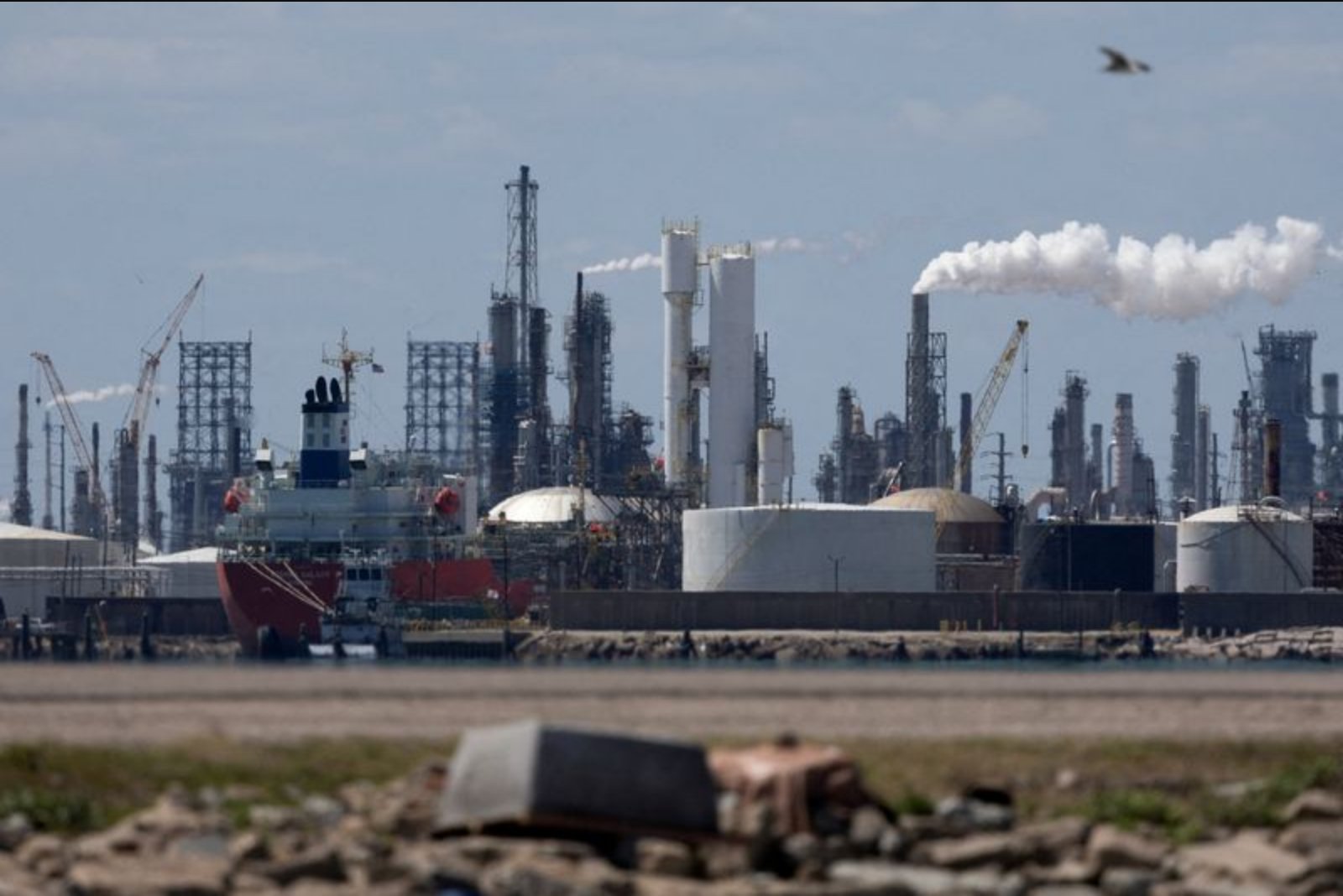
President Donald Trump has approved a 90-day extension of a temporary waiver to the Jones Act that eases restrictions on moving certain commodities between U.S. ports, the White House said on Friday. The action prolongs a waiver that had been scheduled to lapse on May 17, effectively permitting foreign-flagged vessels to transport oil, fuel and fertilizer between domestic ports through mid-August.
The administration framed the move as part of efforts to counter upward pressure on energy prices linked to the war with Iran. A White House spokeswoman, Taylor Rogers, confirmed the extension and underlined the administration's rationale.
"This waiver extension provides both certainty and stability for the U.S. and global economies," Rogers said.
Policy debate around the Jones Act centers on a trade-off between economic cost and national security. The law requires cargo moved between U.S. ports to be carried on vessels that are U.S. built, owned and crewed. Supporters argue that the statute preserves a domestic shipbuilding base, sustains maritime unions and ensures a merchant marine capable of supporting military logistics and other national security needs.
Critics counter that the Jones Act requirement increases shipping costs and reduces available capacity, particularly during supply disruptions, which can push up prices for fuel and other goods. Those critics include energy producers, refiners and agricultural interests, who contend the rule constrains flexibility when markets are strained.
The extension is limited in time and scope. By allowing foreign-flagged vessels to move commodities between U.S. ports for an additional roughly three months, the administration is signaling a focus on immediate cost relief in the energy and agricultural supply chains while leaving longer-term policy debates unresolved.
Context and next steps
Officials have not announced changes to the underlying Jones Act statute. The decision is a temporary administrative step intended to address near-term market pressures, with the waiver now scheduled to run through mid-August unless further action is taken.
The extension will likely remain a flashpoint in discussions that pit domestic maritime industry and national security advocates against sectors seeking lower shipping costs and greater capacity flexibility.