
Overview
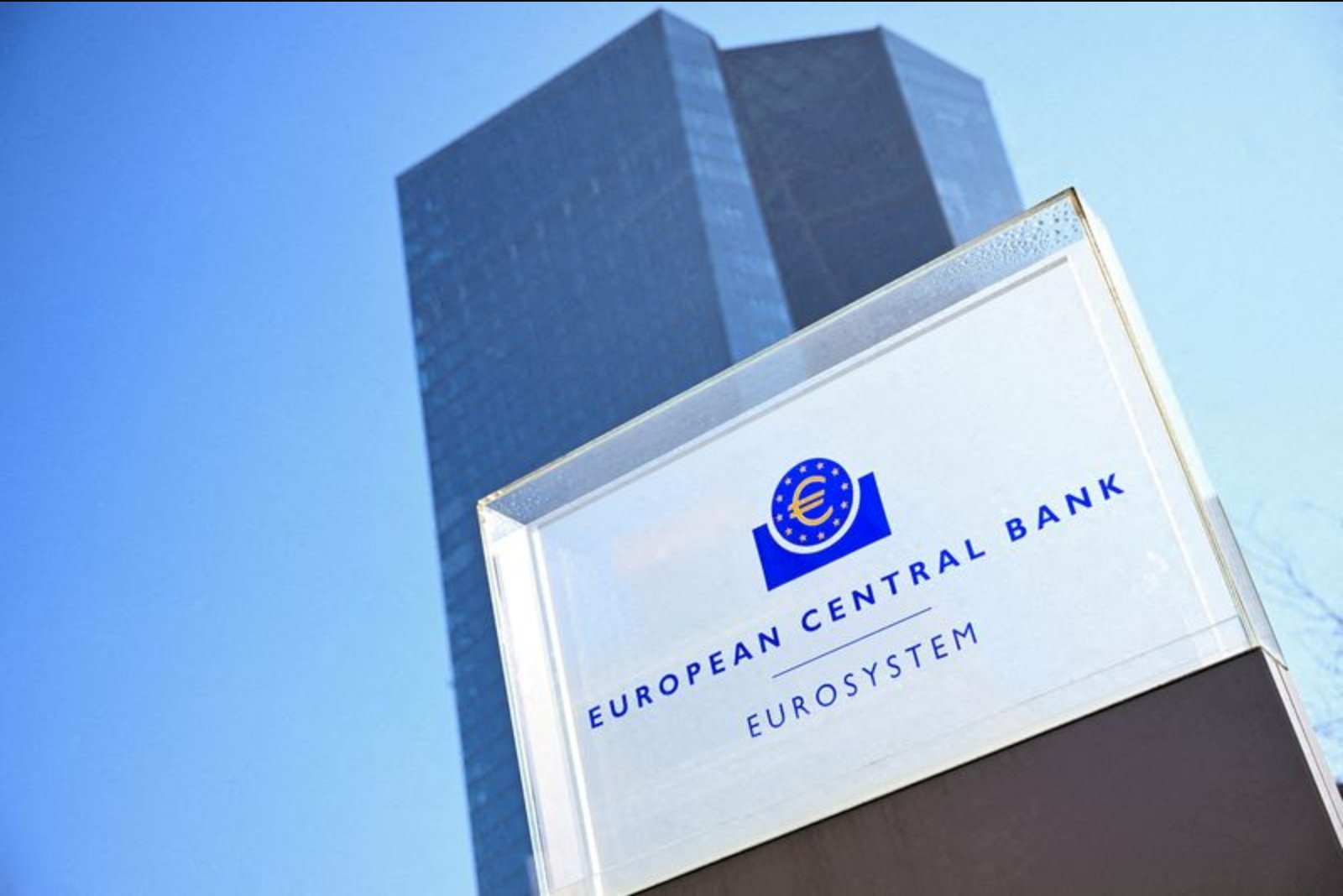
Most economists polled between April 17 and April 23 expect the European Central Bank to leave its deposit rate unchanged at next week's meeting but to implement a modest increase in June. The anticipated move - a quarter-point rise to 2.25% from the current 2% deposit rate - is widely viewed as an insurance step aimed at preventing an energy-price shock linked to ongoing conflict from feeding through into broader, persistent inflation.
Poll findings
Of 85 economists surveyed, all but one predicted the ECB would hold the deposit rate at 2% at the April 30 meeting. A slim majority of 44 economists forecast a follow-up increase to 2.25% in June, while 40 expected no change beyond the April decision. Views on the trajectory after June are split: 34 of the 85 expect at least one additional rate rise by the end of the year, while 35 of 85 still anticipate no further adjustments during the year.
Why June, and why now
Those who back a June hike describe it as a precautionary, forward-looking move. They argue the ECB cannot wait to see whether higher energy costs have produced second-round effects in the data, because by the time such evidence appears, it may be too late to act pre-emptively. At the same time, policymakers are conscious of past missteps: the bank remains sensitive to criticism of reacting too slowly to rapid inflation in 2022 and cautious about repeating actions that could worsen sovereign debt pressures, a lesson drawn from rate decisions in 2011.
"The ECB will try to avoid a repeat of 2011. They need to have some clarity that whenever they hike, they're not going to have to undo that quickly. And that's a reason to move in June rather than in April," said Ruben Segura-Cayuela, head of European economics research at Bank of America. He added that there remains a scenario in which the ECB looks through the shock, but that weaker-than-expected activity could provide incentives to delay or forego further hikes.
Diverging economist views
Some economists expect more than one increase. "The ECB doesn't have the luxury to wait for the second-round effects to show up in the data. If they do see it in the data, it's already too late. And that's why we think they will deliver two interest rate hikes in June and September out of precautionary and forward-looking considerations," said Anna Titareva, a European economist at UBS. Others take a more patient view. "I think right now, if oil stays around the $100 mark, it will give the ECB cover to just sort of sit back and watch inflation expectations ... as long as they're not getting out of control, that's valid reason enough for the ECB to stay on the sidelines," said Jennifer Lee, senior economist at BMO Capital Markets.
Energy, inflation and market pricing
Oil prices have climbed amid nearly two months of conflict in the Middle East, contributing to inflation moving further above the ECB's 2% target. Brent crude has averaged near $100 a barrel this month, above the central bank's March baseline assumption of a $90 peak but below the ECB's $119 adverse scenario. Financial markets have priced in more than two rate increases this year in response to rising oil and inflation pressures, while measures of business and consumer sentiment have softened.
Headline inflation rose to 2.6% last month from 1.9% in February. Forecasts derived from the poll show inflation averaging just above 3% over the next three quarters and settling at 2.7% for the year, broadly in line with the ECB's projections.
Growth outlook
Quarterly economic growth is expected to remain modest, at around 0.2% across the year, which would translate into a 0.9% expansion in 2026 - a downward revision from an earlier projection of 1.2% made in early March. The two largest economies in the euro area are also forecast to slow slightly: Germany is projected to expand 0.7% this year and France 0.9%, both marginal downgrades from earlier expectations.
Policy balancing act
ECB officials face a delicate choice. On one hand, higher energy costs could, if they ripple through wages and other prices, entrench inflation above target and necessitate a policy response. On the other, tightening too aggressively risks weighing on activity and could exacerbate sovereign debt pressures if conditions tighten rapidly. The poll reflects that uncertainty: while a precautionary June hike has narrow support, there is no clear consensus on a sustained tightening path, leaving markets and businesses to weigh both inflation and growth risks.
Implications for markets and sectors
- Energy sector: rising oil prices are a direct driver of headline inflation and central bank concern.
- Financial sector: expectations for multiple rate moves have been priced into markets, affecting borrowing costs and asset valuations.
- Real economy - consumers and businesses: softening sentiment could translate into weaker activity, which would affect output and demand.